
How to Embargo a Press Release: Tips & Examples

Key Takeaways
- Embargoed press releases give journalists advance notice with strict publication timing, creating controlled, simultaneous coverage across multiple outlets for maximum impact.
- Strategic embargo timing requires careful planning of dates, time zones, and distribution windows, typically 2–5 days before the announcement, to allow journalists adequate preparation time.
- Building trusted relationships with select journalists is crucial for embargo success; mass distribution increases leak risks and damages credibility with media professionals.
- Multi-format content distribution through platforms like AmpiFire eliminates embargo complications while guaranteeing your message reaches audiences across multiple channels without relying on journalist compliance.
What Is an Embargoed Press Release?
An embargoed press release is a news announcement you send to journalists before you want it published, with clear instructions that they cannot share the information until a specific date and time. Think of it as giving reporters a sneak peek with a “do not open until” label attached.
Unlike regular press releases marked “for immediate release,” embargoed releases include a prominent notice stating exactly when the embargo lifts. The concept is straightforward: you’re trading early access for controlled timing. Journalists get more time to research your story and prepare detailed coverage. In return, they agree to hold publication until your specified release time.
| Stop Limiting Yourself to Just PR or SEO Multi-Channel Content Marketing Gets Real Results  • The Problem: Traditional PR and SEO only reach audiences through single channels. Your customers are scattered across search, social media, video platforms, and podcasts. • The Solution: AmpiFire’s AmpCast transforms one topic into 8 different formats (news articles, blog posts, videos, video shorts, interview podcasts, infographics, slideshows, social posts) and distributes across 300+ high-authority sites including Fox affiliates, Spotify, and YouTube. What You’ll Discover on PressCable: ✓ Why multi-channel content outperforms traditional PR and SEO ✓ Real case studies of businesses dominating multiple platforms ✓ Step-by-step guides for multi-format content creation ✓ Cost-effective alternative to expensive agencies Ready to Go Multi-Channel? Learn the AmpiFire Method → |
Why Businesses Use Press Release Embargoes
Embargoes serve several strategic purposes beyond simply delaying publication. Major announcements involving product launches, mergers, or executive changes require careful orchestration. Embargoes give you time to brief internal teams and align all stakeholders before the news becomes public.
When journalists receive embargoed materials days in advance, they can ask thoughtful questions, verify facts, and develop nuanced perspectives. This results in more accurate, detailed coverage than stories written under deadline pressure.
Financial announcements and acquisition news can significantly impact stock prices. Embargoes help ensure this information reaches all market participants simultaneously, reducing risks of insider trading accusations.
The 8-Step Process for Embargoing Press Releases

1. Select Your Embargo Timing Strategically
Choose your embargo lift time based on news cycles and your audience’s media consumption patterns. Most embargoes are lifted early morning (between 6–9 AM) in the primary market’s time zone. Avoid dates that conflict with major conferences or competitor announcements. Tuesday through Thursday typically receive more sustained coverage than Monday or Friday.
2. Mark the Embargo Clearly & Prominently
Place your embargo notice at the very top of the press release in bold formatting:
EMBARGOED UNTIL: March 15, 2026, 8:00 AM Eastern Time
Repeat this in your email subject line, email body, and attachments. Make it impossible for a journalist to miss your timing restrictions.
3. Build Agreement Before Sending Materials
Never assume journalists will honor an embargo just because you’ve marked it as such. Contact journalists individually to confirm they want embargoed materials and will respect the timing. This establishes explicit agreement and reduces the likelihood of embargo breaks.
4. Curate Your Distribution List Carefully
Embargoes work best with small, targeted lists of 5–10 trusted journalists rather than mass distribution. Each additional recipient increases your leak risk exponentially. Focus on journalists who regularly cover your industry and have established relationships with your organization.
5. Include Exclusive Content & Assets
Make your embargoed release more valuable by including exclusive elements: executive interview availability, high-resolution photography, proprietary data, or expert commentary. When journalists get unique content that competitors won’t have, they’re more motivated to respect your embargo timing.
6. Time Your Distribution Window Appropriately
Send embargoed materials 2–5 days before the embargo lifts. This provides enough time for thorough story development without being so far in advance that journalists forget. Embargoes longer than one week significantly increase leak risks.
7. Communicate Repeatedly & Clearly
Send a courtesy reminder email 24 hours before the embargo lifts, restating the exact time and time zone. If you must change embargo timing, communicate changes immediately to all recipients.
8. Monitor for Breaks & Respond Professionally
Track social media and news sites around your embargo lift time. If someone breaks the embargo, contact them immediately but professionally. Request corrections or article removal, and document the incident.
Common Embargo Mistakes That Damage Media Relationships
Some common mistakes you should not make when sending out an embargo include:
- Embargoing Non-Newsworthy Content: Not every announcement deserves an embargo. Using embargoes for routine news or promotional content annoys journalists. Reserve embargoes for genuinely significant announcements.
- Unclear or Ambiguous Timing: Always specify exact times with time zone identifications: “8:00 AM Eastern Time” rather than vague terms like “Monday morning.”
- Mass Distribution to Unvetted Contacts: Sending embargoed materials to purchased media lists or unverified email addresses virtually guarantees leaks. Every recipient should be individually selected.
Real-World Embargo Examples

Product Launch Scenario
A technology company sends embargoed press releases to 25 tech journalists five days before launching a new smartphone. The embargo lifts at 9 AM Eastern Time on launch day, synchronized with the company’s live-streamed event. Embargoed materials include specifications, interview availability, and exclusive hands-on access, creating coordinated coverage across major publications.
Merger Announcement Scenario
Two publicly traded companies send embargoed announcements to business journalists three days before filing with regulatory authorities. The embargo lifts at 7 AM Eastern Time, before markets open, ensuring accurate coverage appears before trading begins.
What to Do When Embargoes Break
Contact the outlet that broke the embargo immediately. Politely request article removal or corrections. Once an embargo breaks publicly, you can attempt damage control, move up your official announcement, or continue with your original timeline.
Handle embargo breaks professionally. The journalist might have acted unintentionally. Burning bridges damages future opportunities more than the individual breach.
When You Shouldn’t Use Embargoes
Routine business updates, minor product enhancements, or standard announcements don’t warrant embargoes. When you have genuinely breaking news that competitors might announce first, embargoes create unnecessary risk. Crisis communications and urgent safety announcements require real-time distribution.
Ampifire: Helping Modern Businesses Move Beyond Traditional Press Releases
Traditional press release strategies, including embargoes, face significant limitations in today’s media. Even perfectly executed embargoes only work if journalists choose to cover your story, and media professionals reject the majority of pitches they receive.
Embargoes add complexity to an already challenging process. You’re hoping journalists will cover your news, respect timing restrictions, remember your embargo lift date, and publish simultaneously with competitors. The problem is that you’re placing your announcement strategy entirely in journalists’ hands.
At AmpiFire, we solve these challenges by transforming single announcements into comprehensive, multi-format content across eight different content types: news articles, blog posts, videos, video shorts, interview podcasts, infographics, slideshows, and social media posts. Instead of hoping for journalist coverage, your message appears directly on over 300 high-authority platforms, including search engines, social media networks, YouTube, Spotify, and premium news sites.
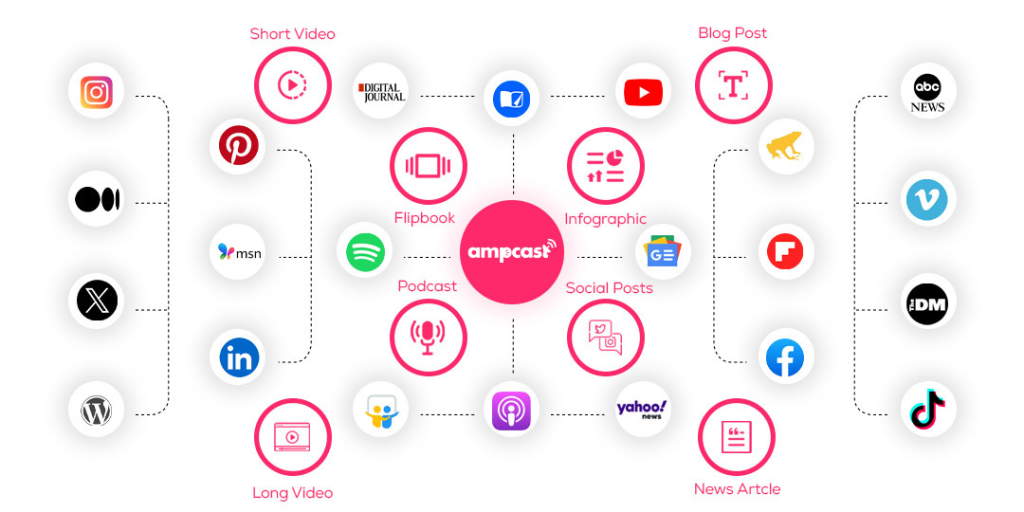
This multi-channel approach eliminates embargo complications. You’re not coordinating timing across dozens of journalists or worrying about embargo breaks. You’re publishing strategically across multiple platforms that reach your audience where they consume content.
AmpiFire’s process starts with researching topics your target audience actively searches for. Content is created combining AI efficiency with human editorial oversight. Strategic distribution across multiple channels signals content popularity to algorithms, boosting organic visibility and driving long-term traffic growth.
Unlike embargoed press releases that require constant relationship management and provide one-time coverage at best, AmpiFire creates long-term digital assets that continue generating traffic and building brand authority months after initial publication. You’re building a sustainable content foundation that outperforms traditional press release strategies.
Get seen, get clicks, get results. Start amplifying with AmpiFire!
Frequently Asked Questions (FAQs)
The optimal window is 2–5 days before your embargo lift date. This gives journalists sufficient time to research your story and prepare quality coverage without being so far in advance that they forget about your announcement. Avoid sending embargoed materials more than one week ahead, as extended embargoes significantly increase leak likelihood and reduce journalist engagement.
Embargoes are professional courtesies rather than legally binding contracts. You cannot sue a journalist for breaking an embargo because no legal agreement exists requiring them to honor your requested timing. The only consequence is damage to professional relationships. Building trusted relationships with select journalists is far more effective than mass distribution.
Bloggers and influencers often lack formal editorial oversight and may be less familiar with embargo protocols. If you share embargoed materials with bloggers, ensure they explicitly understand and agree to respect timing restrictions first. Often, offering bloggers exclusive access after your embargo lifts works better than including them in the embargo itself.
Immediately reach out to all remaining journalists on your embargo list, inform them that the embargo has been broken, and give them permission to publish immediately. This prevents journalists who honored your embargo from being scooped by competitors. Document which outlets broke the embargo versus which ones responded to the initial breach.
Small businesses often lack the extensive media relationships, dedicated PR staff, and time required to successfully execute embargoed press release strategies. AmpiFire eliminates these barriers by transforming your announcements into eight different content formats distributed across 300+ high-authority platforms. We place your content directly on search engines, social media networks, video platforms, and podcast directories where your audience actively consumes information. This multi-channel approach provides measurable traffic and engagement results that embargoed press releases cannot guarantee.
