Most travelers book their Machu Picchu train based on price alone, but here’s what they’re missing: one train feature changes everything for photographers and view-seekers. The difference isn’t the route; it’s how much of those Andean peaks you’ll actually see and feel.
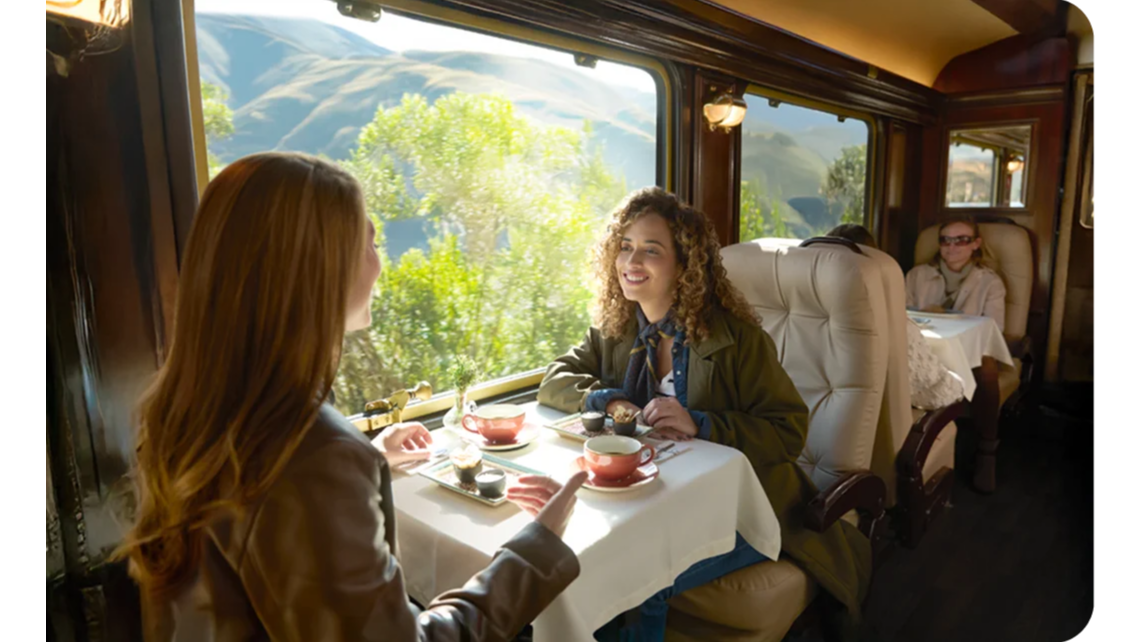
Most people obsess over entrance tickets, guided tours, and sunrise slots at Machu Picchu - and completely overlook the train. That's a mistake. The roughly 90-minute ride from Ollantaytambo to Aguas Calientes cuts through one of the most dramatic landscapes in South America, and which train you board shapes how much of it you actually see and feel.
The route descends from the high Sacred Valley into the subtropical cloud forest of the Urubamba gorge. Snow-capped peaks give way to hanging moss, a rushing river, and dense jungle canopy - all in under two hours. Travelers who have made this trip consistently say the journey rivals the destination itself for sheer natural drama.
Both major operators - Inca Rail and PeruRail - run on exactly the same tracks between Ollantaytambo and Aguas Calientes. The scenery does not change. What changes is how well your train is designed to let you see and experience it. That is the real question worth asking before you book.
Inca Rail structures its fleet into five categories, ranging from economy to fully private. Below is a practical breakdown of the four most commonly booked options for independent travelers.
The Voyager is Inca Rail's economy-tier service, but economy does not mean cramped or dull. The carriages feature large side windows on both sides, plush seats, and attentive onboard staff. It delivers everything needed for a relaxed, scenic ride without extras. Onboard, travelers can purchase snacks and beverages made with local ingredients. For anyone prioritizing value while still wanting a comfortable window seat and solid views of the Andes and jungle, The Voyager hits the mark.
The 360° is where the viewing experience takes a significant leap. The carriage is fitted with panoramic windows - taller and wider than standard glass - and it includes an open-air observatory car. That is an outdoor platform where passengers can stand, feel the Andean air, and photograph the landscape without any glass between them and the mountains.
Traditional Andean snacks and beverages are included as part of the fare, and live music adds a cultural layer to the ride. The 360° sits in Inca Rail's Premium Economy tier and is frequently compared to PeruRail's Vistadome - both offer enhanced scenic features, though travelers specifically single out The 360°'s open-air car as a differentiator for upward mountain views.
The Prime and The First Class both feature wide, elegant windows set within a refined cabin atmosphere. The Prime emphasizes spacious seating, calm surroundings, and Andean-inspired snacks - a sophisticated middle ground between The 360° and full luxury. The First Class steps into genuine indulgence: a three-course gourmet menu, wine pairing, live music, and welcome drinks with attentive table service. Both trains let the scenery shine, but the focus shifts from maximizing views to making the overall journey more like a dining experience on rails.
Window design is the most tangible difference between train tiers. Here is how it breaks down:
For most travelers, even The Voyager's windows are generous enough to enjoy the scenery comfortably. The panoramic glass on The 360° becomes most noticeably different when the train enters canyon sections where the vertical landscape - cliff faces, waterfalls, overhead peaks - fills the frame.
The open-air observatory car on The 360° is a standout feature, offering direct exposure to the Andean air and unobstructed photography opportunities. While The First Class and The Private also offer open-air balconies, The 360°'s observatory car is particularly noted for its immersive viewing experience. Independent reviewers and travel photographers consistently highlight it as one of the best spots on any train in Peru for landscape photography - particularly effective in morning light when the Andean peaks catch the sun.
That said, some travelers who have ridden both The Voyager and The 360° note that the difference from a seated viewing perspective is smaller than expected. The observatory car is the true differentiator, not the panoramic windows alone.
For anyone traveling with a camera as a priority:
Food and drink vary considerably across the fleet:
The jump from The 360° to The First Class is where food shifts from a pleasant inclusion to a central part of the journey. If dining matters as much as views, The First Class earns its premium.
The 360°, The Prime, and The First Class all incorporate live Andean music during the journey - a genuine cultural touch that adds a layer to the experience that is hard to replicate. The Voyager keeps things relaxed and quiet, which some travelers actually prefer for early morning departures when sleep is the priority.
There is no universally best train - only the right one for how a particular traveler wants to experience the route. A few honest frameworks for deciding:
One practical note: Inca Rail trains primarily depart from Ollantaytambo Station, approximately two hours from Cusco by road, and arrive at Machu Picchu Station in Aguas Calientes. Inca Rail also offers a bimodal service from Cusco, combining a bus journey to Ollantaytambo with the train ride. The route, the scenery, and the travel time are identical across every tier. The train itself is the only variable.
See Inca Rail's full range of train options and book your seat at incarail.com - a Peruvian-operated rail company with deep local knowledge of the route and the region.


