If your teenage daughter seems different lately, you’re not imagining it. Girls are experiencing double the rate of depression as boys, and in California, 42% of 9th grade girls report chronic sadness. Here’s what’s really happening and why early intervention matters.
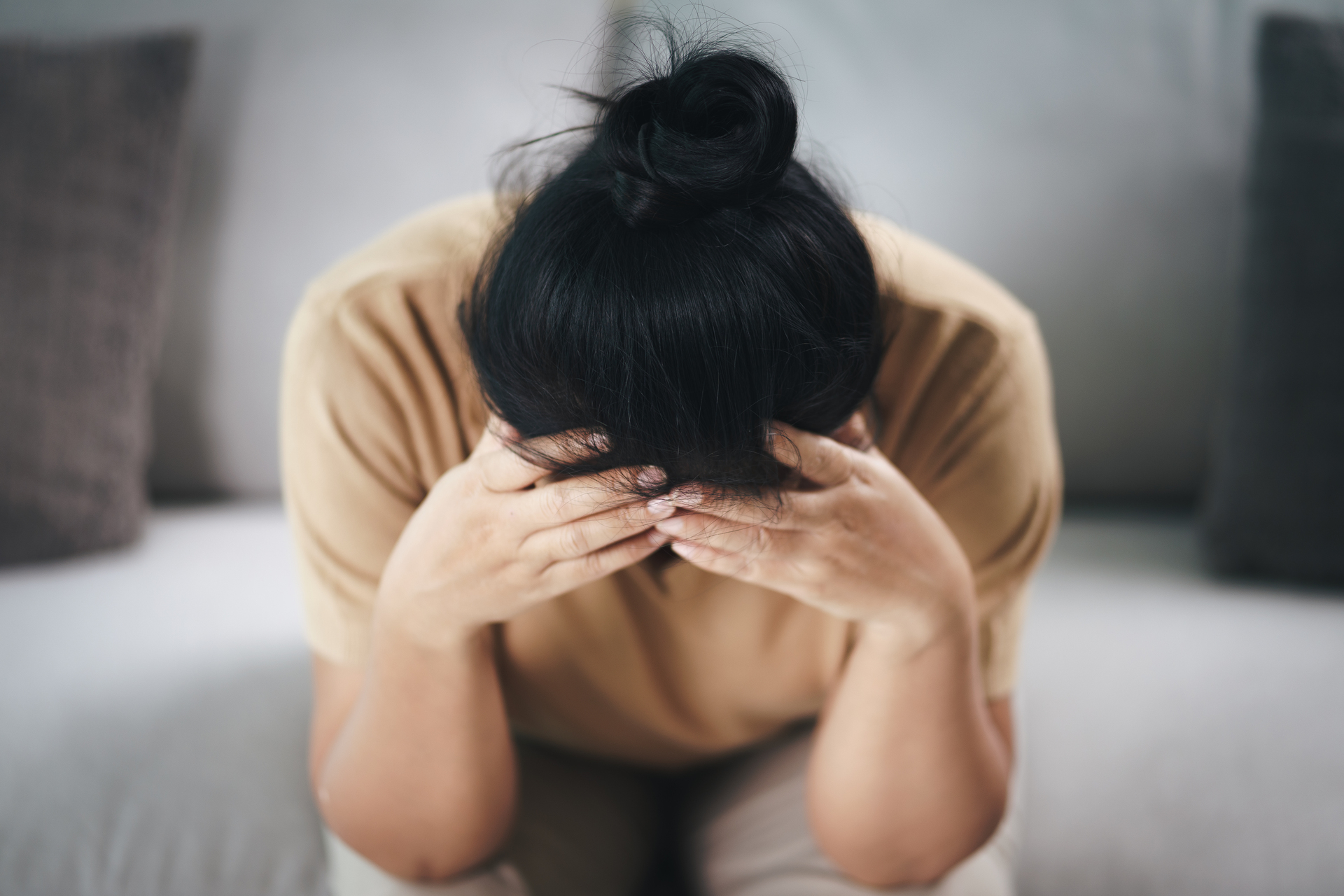
Something is happening to teenage girls. Across surveys, emergency rooms, and school counselor offices, the same story keeps emerging: girls are struggling at rates that should alarm every parent, educator, and policymaker paying attention. This is not a fleeting trend or a statistical blip - it is a documented, widening crisis that demands clear answers, says Mission Prep.
The data is hard to look away from. Globally, girls consistently exhibit worse mental health than boys across nearly every measure tracked, with psychological distress and life satisfaction showing the most significant gender gaps. In the United States, girls experience nearly double the rate of depression compared to boys, with that divide beginning as early as age 12.
Understanding why this gap exists - and what parents can do about it - is exactly the kind of question that clinical teams work to answer every day. The research points to a combination of biology, social dynamics, and cultural pressure that uniquely affects girls during their most vulnerable developmental years.
The mental health divide between boys and girls does not materialize in late high school - it starts in early adolescence and accelerates quickly. Understanding where and when it emerges helps explain why early intervention matters so much.
By mid-adolescence, girls are more than twice as likely to be diagnosed with a mood disorder compared to boys. Before puberty, prevalence rates for boys hover between 3-5%. By mid-adolescence, girls reach rates of 14-20% - figures that mirror adult-level diagnoses. That is not a gradual drift. It is a sharp developmental shift that happens fast, often leaving families unprepared.
California's own numbers paint a vivid picture. According to state survey data collected between 2017 and 2019, 42% of female 9th graders reported chronic sadness, compared to 23% of males. Suicidal ideation was reported by 21% of girls versus 11% of boys - nearly double. More recently, a 2026 report from the Public Policy Institute of California (PPIC) found that roughly one in three California students reported chronic sadness, with girls reporting substantially worse mental health than boys at every grade level studied. As PPIC researchers noted, the gender gap "emerges early and persists throughout high school."
No single cause explains the gap. Several interconnected forces converge during adolescence, hitting girls harder and earlier than boys.
Girls enter puberty earlier than boys, and that timing matters. Estrogen, along with other hormonal shifts during puberty, plays a role in activating the body's stress response systems, making girls more susceptible to prolonged emotional distress. These hormonal changes - which can include fluctuations in estrogen and even testosterone - affect how the brain processes and reacts to stressors, potentially lowering the threshold for anxiety and depression in girls. While boys also experience significant hormonal changes that impact their mental health, the specific ways these shifts influence vulnerability to anxiety and depression can differ by gender.
Research in psychology consistently shows that teenage girls experience more interpersonal stressors - conflicts in friendships, romantic relationships, and family dynamics - and react more intensely to them than boys do. This heightened relational sensitivity is a documented psychological difference, and it means that the everyday social turbulence of adolescence lands harder on girls and accumulates faster. Studies have also found that the mental health gap widens most rapidly in countries with high gender equality, partly due to increased academic pressure placed on young women - suggesting that social expectations compound biological vulnerability.
Social media does not affect all teens equally. Research consistently links platforms like Instagram and TikTok to increased body dissatisfaction, disordered eating patterns, anxiety, and depression symptoms specifically among adolescent girls. Teenagers who use social media for more than three hours daily face twice the risk of negative mental health outcomes - and girls bear a disproportionate share of that risk through cyberbullying, appearance-based comparison, and algorithmically amplified content around body image.
The mechanism matters: social media creates an always-on social environment where relational conflicts never fully resolve, appearance is constantly evaluated, and the normal awkwardness of adolescence is broadcast and archived. For girls already primed by biology and social conditioning to be more sensitive to interpersonal feedback, that is a uniquely damaging combination.
The pandemic did not create the gender gap in teen mental health - it accelerated a trend already a decade in the making. Rates of chronic sadness and suicidal ideation had been climbing since around 2009. The global health crisis temporarily worsened those numbers and exposed how inadequate existing support systems were. School closures removed one of the few reliable access points for struggling teens. Social isolation amplified the exact interpersonal stressors girls are most sensitive to. The PPIC's 2026 policy brief confirmed that the pandemic both deepened existing distress and revealed longstanding inequities in who receives mental health care - with girls and older adolescents facing the largest gaps between reported need and actual services received.
Knowing that a daughter is struggling is one thing. Finding real, timely, affordable help is another. The infrastructure around teen mental health in California - and across the US - has not kept pace with the need.
Provider shortages and high out-of-pocket costs remain the two biggest structural barriers to care, and these challenges hit girls especially hard given their higher rates of reported need. When a mental disorder diagnosis does occur, research shows the impact on academic performance tends to be greater for girls than boys - likely tied to their higher sensitivity to academic pressure - making delayed treatment a compounding problem, not just a temporary one.
One of the most promising solutions is also the most intuitive: bring services to where teenagers already are. School-based mental health services have shown real results, including reductions in self-reported suicide attempts. About half of teens who access help after identifying a need do so at school, according to PPIC data. California has committed significant funding - roughly $8 billion for children's and teen mental health, including school-based programs - but rural districts lag behind, and pandemic-era recovery funds are expiring. Peer-to-peer support programs and wellness centers embedded in schools may reach students that traditional clinical referrals miss, and telehealth is expanding access in under-resourced communities where in-person providers are scarce.
The research is clear: the gap is real, the causes are identifiable, and the window for intervention matters. A daughter who is persistently sad, withdrawing from friends, showing changes in eating or sleep, or expressing hopelessness is not simply going through a phase. These are recognized symptoms of treatable conditions - and the earlier they are addressed, the better the outcomes.
Effective help starts with an accurate assessment of what is driving the distress - whether that is a mood disorder, an anxiety condition, the effects of social media and social pressure, or some combination. From there, evidence-based treatment - which may include therapy, family involvement, and in some cases medication - can give a struggling teen real tools to regulate emotions, rebuild relationships, and restore function at school and at home. The gender-specific factors outlined here are not obstacles to treatment. They are the roadmap for it. Clinicians who understand how these forces interact can tailor care in ways that generic approaches miss.
No parent should have to navigate this alone. If a daughter is showing signs of distress, reaching out for a professional evaluation is the most important first step - not a last resort.


