Reusable PPE cuts costs by thousands annually while slashing waste that persists for decades. Organic materials and plant-based plastics now match disposable equipment’s protection, offering comfortable alternatives that workers actually wear correctly. The financial case strengthens as disposal fees rise and sustainability attracts better talent.
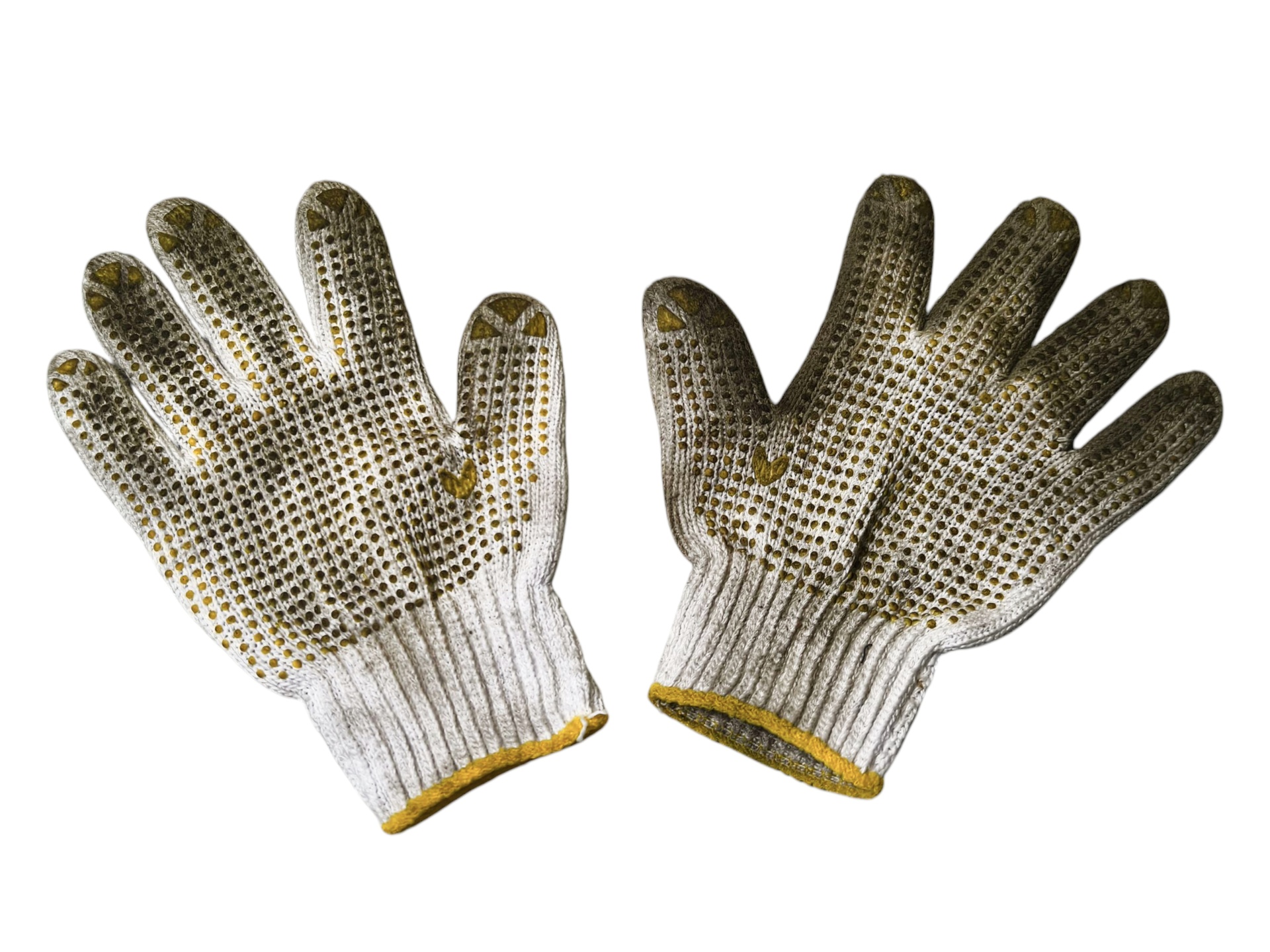
Every year, billions of disposable gloves, masks, and protective garments end up in North American landfills, where they’ll sit for decades without breaking down. The pandemic made this worse, showing how quickly protective gear waste piles up when workers change equipment multiple times per shift, and many facilities now struggle with overflowing disposal bins and rising waste management costs that strain already tight budgets.
Businesses are rethinking their approach to worker protection. What started as purely a safety compliance issue has evolved into an opportunity to cut costs while reducing environmental harm—proving that the right choices can serve multiple goals at once.
Single healthcare facilities and manufacturing plants generate thousands of pounds of PPE waste each month. Nitrile gloves take decades to decompose, while polypropylene masks can persist in landfills for over a century, leaching chemicals into surrounding soil as they slowly break apart into smaller fragments that contaminate groundwater.
Manufacturing these disposable items consumes massive amounts of water, energy, and petroleum-based materials. From raw material extraction through final delivery, the supply chain generates greenhouse gas emissions at every step. When workers toss used equipment into the trash, that entire environmental cost gets repeated with each replacement.
Improper disposal creates additional problems beyond landfill capacity. Discarded protective equipment releases microplastics into waterways and soil, where these particles persist for generations and enter food chains that eventually affect human health. Even incineration, sometimes necessary for biohazard management, pumps harmful pollutants into the air and adds carbon emissions to an already overburdened atmosphere.
The sticker shock stops many businesses cold. A certified washable mask costs about four dollars, while bulk disposable masks run forty-five cents each—making throwaways look cheaper at first glance. However, this comparison misses the bigger picture entirely.
That four-dollar reusable mask lasts a full year or longer with proper care, withstanding hundreds of wash cycles without losing effectiveness. Meanwhile, workers using disposable masks go through one or more daily, depending on contamination exposure and workplace protocols. The math shifts dramatically when you calculate annual costs instead of unit prices.
For a company with 100 workers:
These figures don’t include waste disposal fees, which many jurisdictions now charge by volume, or potential carbon taxes that could increase as environmental regulations tighten. Smart businesses also recognize that investing in durable equipment provides budget predictability that constant reordering of disposables never can.
Organic fibers like cotton and hemp have proven themselves in washable masks that meet strict filtration standards. Workers get comfortable protection that they can clean repeatedly without performance dropping, which matters during long shifts when breathability affects whether someone actually keeps their mask on properly.
Plant-based plastics represent another breakthrough worth understanding. Polylactic acid, derived from corn starch and other renewable sources, creates biodegradable protective gear that breaks down in months rather than decades. These materials match petroleum-based plastics for barrier protection while supporting healthy soil when they eventually decompose, and businesses can now access specialized recycling programs that handle equipment that’s reached the end of its useful life.
Recycled content has moved from experimental to mainstream. Face shields made with seventy-five percent recycled plastic meet rigorous safety certifications while diverting materials from the waste stream. This approach proves that protective equipment doesn’t require virgin materials to deliver the performance workers need.
Production methods matter as much as materials. Solar-powered facilities cut fossil fuel dependence while maintaining the precision safety equipment demands, reducing both energy consumption and carbon emissions without compromising quality control that keeps workers safe.
Traditional textile dyeing wastes enormous amounts of water. Innovative manufacturers now use efficient techniques that reduce consumption dramatically without sacrificing the vibrant colors that help distinguish PPE types on work sites. Less water use means less wastewater treatment and fewer chemicals entering local water systems.
Closed-loop systems take this further by recycling production scraps back into manufacturing instead of sending them to landfills. Nearly every material scrap serves a purpose, whether in the final product or as raw material for the next production run. This approach minimizes waste throughout the entire supply chain.
Some managers worry that eco-friendly alternatives can’t match disposable equipment for safety performance. Rigorous testing proves otherwise—reusable masks from organic cotton or hemp maintain high filtration while providing better breathability during extended wear than disposable options can match.
Comfort isn’t just nice to have. Workers who find their PPE comfortable wear it consistently and correctly throughout entire shifts, which directly improves safety outcomes regardless of specific workplace hazards. Discomfort leads to constant adjusting, touching, and temporary removal that defeats the whole purpose.
Many sustainable options also eliminate chemical exposure from disposable alternatives. Biodegradable gloves using eco-friendly formulations protect while being gentler on skin, reducing allergic reactions and dermatitis that develop from prolonged contact with certain synthetic materials and additives.
Start Small:
Cleaning protocols need clarity that workers can actually follow. Providing enough reusable items ensures clean equipment stays available while soiled pieces get washed properly. Designating specific storage for clean versus used equipment prevents cross-contamination that undermines hygiene standards.
Education determines whether programs succeed or fail. Workers need to understand proper care procedures, but they also need to know why the change matters and how their participation contributes to environmental protection and cost savings that benefit the whole workplace.
Reusable equipment creates unexpected branding opportunities. Customizing masks and protective gear with company logos and colors turns necessary safety equipment into visible extensions of corporate identity that reflect organizational values while meeting safety requirements.
This matters especially in customer-facing roles. Branded reusable PPE communicates professionalism and environmental commitment, showing clients that the organization invests in sustainable solutions rather than just talking about them. Actions speak louder than policy statements ever could.
Visual consistency from branded equipment also strengthens team identity. When everyone wears coordinated protective gear, it builds morale and creates a sense of belonging to an organization that demonstrates values through concrete choices.
Cost Management Strategies:
Regulatory support keeps growing as agencies recognize workplace waste reduction needs. The Environmental Protection Agency and Health Canada provide guidelines encouraging eco-friendly materials and processes, creating standards that help businesses navigate transitions with greater confidence.
Many organizations leave valuable financial assistance unclaimed because they don’t know that qualifying programs exist. Taking time to investigate available incentives can dramatically improve the business case for sustainable PPE adoption.
Financial savings provide strong motivation, but broader benefits extend to reputation and employee satisfaction in ways that strengthen business performance over time. Companies demonstrating genuine environmental commitment attract and retain talented workers who increasingly prioritize employer values when making career decisions.
Customer perception matters too. Consumers grow more conscious of the environmental practices behind products and services they purchase, creating competitive advantages for businesses that visibly embrace sustainable PPE while others stick with disposable alternatives.
Industry-wide adoption could prove transformative. If even modest percentages of businesses using disposable equipment switched to sustainable options, the reduction in landfill waste, resource consumption, and carbon emissions would contribute meaningfully to climate goals.
Smart PPE incorporating sensors to monitor conditions or worker health represents one emerging frontier. These innovations could alert users to hazards while ensuring optimal use periods before cleaning becomes necessary, reducing waste through better information.
Three-dimensional printing enables custom-fit production that cuts material waste during manufacturing. Tailoring pieces precisely to individual measurements ensures better protection and comfort without excess resource consumption from standardized sizing that doesn’t fit everyone optimally.
Continued research into biodegradable materials will produce even better options as scientists develop plant-based polymers matching or exceeding petroleum-based materials while decomposing harmlessly when their useful life ends.
Switching to reusable protective equipment delivers real benefits for businesses, workers, and communities. Long-term savings, better comfort, reduced environmental impact, and stronger brand reputation create compelling reasons to evaluate sustainable options seriously, and as end-of-life recycling infrastructure continues expanding, even worn-out equipment can be processed responsibly rather than sitting in landfills for generations.


