The right restaurant for a business dinner does more than serve good food. Factors like ambience, noise levels, service quality, and private dining options all shape whether the evening builds real professional relationships — or just fills the time.
Business dinners have long played an important role in building professional relationships. Whether entertaining clients, recognizing employees, hosting executives, or gathering colleagues after a conference, the setting often contributes as much to the experience as the conversation itself. Selecting the right restaurant requires balancing practicality with hospitality, ensuring guests feel comfortable while creating an environment suited to productive discussion.
Hospitality professionals note that successful corporate dining experiences typically combine thoughtful planning, attentive service, and an atmosphere that allows guests to focus on meaningful interaction rather than logistical distractions.
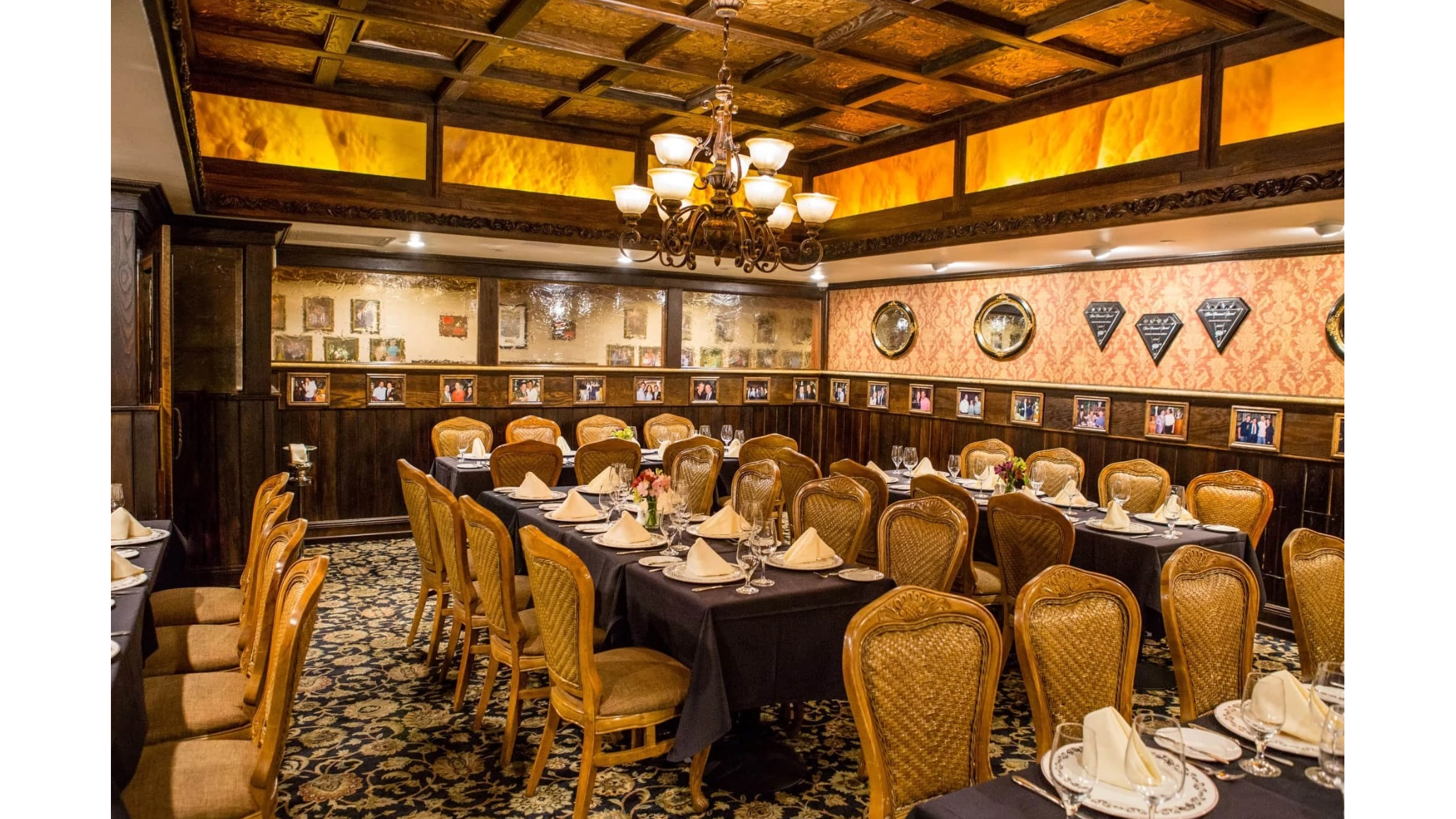
A restaurant's atmosphere influences the mood from the moment guests walk through the door. Lighting, acoustics, décor, table spacing, and overall comfort can all affect how easily conversations develop throughout the evening.
Corporate dinners generally benefit from an environment that feels refined without becoming overly formal. Excessive background noise can make discussion difficult, while overly casual surroundings may not convey the level of professionalism expected for executive meetings or client entertainment.
Private dining rooms often provide an ideal solution because they offer greater privacy while allowing presentations, confidential discussions, or celebrations to take place without interruption. Restaurants experienced in hosting corporate events frequently design these spaces to accommodate varying group sizes while maintaining the same quality of food and service found throughout the main dining room.
According to hospitality professionals, business hosts should prioritize venues where the environment encourages conversation and relationship building rather than competing for guests' attention.
The menu often becomes one of the most memorable aspects of any corporate event. A thoughtfully prepared meal demonstrates attention to detail while giving guests an opportunity to relax between business discussions.
Restaurants offering diverse menus are generally better equipped to accommodate varied tastes and dietary requirements without requiring separate arrangements. Vegetarian, gluten-free, and allergy-conscious options have become increasingly important considerations as organizations host more diverse groups.
Quality and consistency matter just as much as variety. Guests expect meals to arrive promptly, be prepared to a high standard, and allow everyone at the table to dine together. Delays between courses or inconsistent execution can interrupt conversations and distract from the purpose of the event.
Many executive hosts also appreciate restaurants with knowledgeable staff capable of recommending wine pairings or helping coordinate multi-course menus appropriate for business occasions.
A restaurant's reputation extends beyond online reviews. Long-standing service, professional staff, consistency, and community recognition all contribute to confidence when planning an important event. Corporate hosts often have only one opportunity to make a positive impression on prospective clients or senior executives. Choosing an established restaurant with a proven record of hospitality helps reduce uncertainty while providing reassurance that service standards will remain high throughout the evening.
Experience with corporate functions also matters. Restaurants accustomed to executive dinners understand the importance of timing, discretion, and flexibility should schedules change or guest numbers fluctuate unexpectedly. Which is why it is recommended to select venues with demonstrated experience hosting business meetings and private events rather than relying solely on menu selection or location.
Convenience plays an important role in event planning, particularly when guests are traveling from multiple locations or attending conferences. Restaurants situated near hotels, convention centers, airports, or major business districts reduce travel time while making scheduling easier for attendees. Ample parking, valet service, or convenient transportation options further improve the overall guest experience.
For convention cities such as Orlando, proximity to the Orange County Convention Center allows exhibitors, clients, and executives to continue discussions after meetings without lengthy travel across the city. This convenience has become increasingly valuable as conferences incorporate networking dinners into broader event schedules.
Exceptional service often distinguishes memorable corporate events from ordinary business dinners. Professional staff who understand event coordination can help ensure meals progress smoothly while remaining attentive without interrupting conversations.
Many restaurants specializing in private dining assign dedicated coordinators to assist with menu planning, seating arrangements, scheduling, and special requests before guests arrive. This preparation allows hosts to concentrate on their attendees rather than managing operational details throughout the evening. Restaurants with extensive experience serving executive clientele also recognize the importance of discretion, professionalism, and adaptability when business priorities change unexpectedly.
According to the specialists at Christini's Ristorante Italiano — a venue long favored by attendees of the Orange County Convention Center — corporate clients consistently prioritize private dining spaces that combine attentive service, quality cuisine, and an atmosphere that works equally well for executive meetings, client dinners, and milestone celebrations. That combination is what allows hosts to stay focused on the people across the table, rather than managing the logistics of the evening.
Corporate dining remains one of the most reliable ways to build professional relationships outside the office. Getting it right comes down to more than the food — ambience, reputation, service, and thoughtful planning all carry equal weight. When those elements come together, the dinner becomes the kind of evening guests remember for the right reasons.


