Getting a negative SIBO breath test doesn’t always mean you’re in the clear. If your symptoms persist despite negative results, contaminated samples, timing errors, or bacterial variants could be masking what’s really happening in your gut.
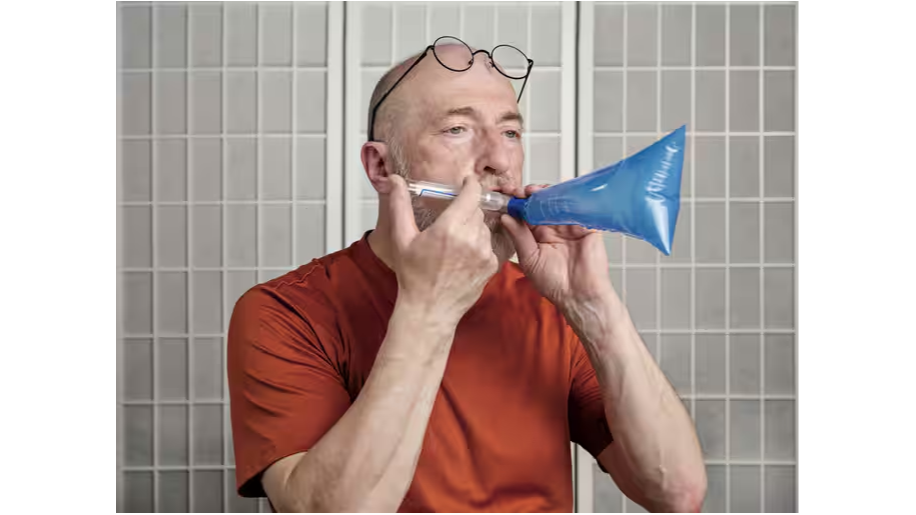
Experiencing chronic digestive symptoms like persistent bloating, abdominal discomfort, gas, and unpredictable bowel habits often prompts individuals to investigate underlying root causes. Uncovering these causes frequently involves running a non-invasive breath assessment. Receiving a negative Small Intestinal Bacterial Overgrowth (SIBO) breath test result might seem like a definitive sign that your gut microbiome is balanced. Still, a negative reading does not automatically confirm the absence of an overgrowth.
While breath testing is a highly accessible and widely utilized functional diagnostic tool, multiple technical, biological, and metabolic factors can culminate in false-negative outcomes. This leaves many health-conscious adults feeling frustrated when their clinical symptoms do not align with their laboratory reports. In clinical practice, false negative results occur in approximately 20 to 30 percent of SIBO breath tests. This means a significant subset of individuals who actually have an active overgrowth leave the testing process without answers, delaying targeted gastrointestinal care.
To interpret your metabolic data accurately, you must look beyond a basic positive or negative designation. Standardized diagnostic frameworks established by the North American Consensus dictate specific criteria for identifying an imbalance. A baseline reading for hydrogen gas should ideally remain below 16 parts per million (ppm) before you consume the testing sugar substrate, which is typically glucose or lactulose. An increase in hydrogen gas of 20 ppm or more above the lowest preceding baseline within the first 90 minutes points to an active overgrowth in the small bowel. For methane gas, an elevation reaching 10 ppm or higher at any point during the testing window indicates Intestinal Methanogen Overgrowth (IMO).
When these patterns are missing or distorted on a report, it is highly beneficial to look more closely at potential collection errors or microbial variations before concluding that your gut is entirely clear.
Technical issues during the collection phase represent a major source of diagnostic error. Because the equipment used to analyze your breath samples relies on highly sensitive gas chromatography, even minor procedural mistakes can dilute the gases in the collection container, resulting in a false negative result.
The physics of the vacuum collection tubes requires a precise sequence of movements. A frequent sampling mistake occurs when a person accidentally presses the collection tube onto the inner needle sleeve before they have actually begun to exhale. Doing this allows the ambient room air trapped inside the plastic holder to rush into the vacuum tube first.
When environmental air floods the container, it displaces the vital breath sample, dropping the relative concentration of target gases below detectable levels. To ensure accuracy, you must establish a continuous, steady exhalation before allowing the needle to puncture the tube's rubber septum.
It is common to assume that taking an exceptionally deep inhalation right before breathing into the collection kit will provide a larger, higher-quality sample. However, deep gasping or hyperventilating alters the natural gas exchange dynamics within your lungs. This action introduces excess ambient oxygen into the respiratory tract, which dilutes the concentration of carbon dioxide and trace metabolic gases.
The most reliable approach is to maintain a completely normal, resting respiration pattern right up until the moment of exhalation, capturing the true baseline of your internal chemistry.
The air inside your respiratory tract is not uniform. The first portion of air expelled during an exhalation is known as "dead-space air" from the trachea and bronchi, which has not undergone deep gas exchange. The final portion of the breath is "alveolar air" originating from deep within the lungs, which carries the gases absorbed into your bloodstream from the intestinal capillaries.
If you introduce the collection tube too early in the exhalation cycle, you end up capturing dead-space air that is entirely devoid of fermented microbial gases. Puncturing the tube precisely mid-exhalation is necessary to capture true alveolar air.
The rubber septa on the top of SIBO collection tubes are engineered to self-seal after a single, clean puncture. If a tube is accidentally pushed against the needle multiple times or shifted erratically during the collection sequence, the structural integrity of the rubber seal becomes compromised.
Because hydrogen is an incredibly small and volatile molecule, it can rapidly escape through microscopic tears in a double-punctured septum before the sample ever reaches the laboratory analyzer, causing the machine to read an artificially low gas level.
Advanced laboratory equipment, such as the Quintron BreathTracker analyzer utilized by major testing facilities, features built-in quality control metrics to ensure your data is accurate. The analyzer evaluates the carbon dioxide (CO2) concentration within every single submitted tube to confirm that the sample consists of genuine lung air rather than outside environmental air.
Human alveolar air contains a highly predictable percentage of carbon dioxide. If the machine detects a CO2 concentration dropping below the mandatory threshold of 1.4%, it recognizes that the sample has been diluted by room air or collection errors, rendering any accompanying hydrogen or methane measurements completely unreliable.
When a sample fails to meet the internal CO2 standards, the lab report applies a "Quality Not Sufficient" (QNS) designation. If a patient's report shows flatline or zero readings across all markers but contains multiple QNS flags, those negative numbers are clinically invalid.
The flat line is a reflection of a compromised sample rather than a clean, healthy gut bowel. Recognizing a QNS pattern is a clear signal that a careful retest is required to obtain actionable information.
A "flatline" pattern occurs when the levels of both hydrogen and methane stay near zero parts per million throughout the entire multi-hour tracking timeline. While this looks like an ideal result on paper, it frequently serves as a screen that masks active, symptomatic microbial overgrowths.
The human intestinal tract houses highly complex ecosystems where different families of microorganisms constantly interact. Certain microbial species do not merely produce gas; they consume it as fuel. For example, methane-producing organisms known as archaea require four molecules of hydrogen to synthesize a single molecule of methane gas.
If you have a mixed overgrowth where archaea are highly active, they can systematically consume the hydrogen gas generated by neighbouring bacteria as quickly as it is produced. This leaves little to no traceable hydrogen to be exhaled into your test kit, creating a deceptive flatline on the hydrogen graph even though an overgrowth is highly active.
The most common driver behind a total hydrogen and methane flatline accompanied by severe SIBO symptoms is the presence of hydrogen sulphide-producing bacteria. Species such as Desulfovibrio consume available hydrogen gas to generate hydrogen sulphide (H2S).
Standard, widely available breath testing equipment only possesses internal sensors capable of reading hydrogen and methane. Because standard machines are blind to hydrogen sulphide, an individual suffering from this distinct variant will display a completely flatline pattern on their results.
This specific imbalance is frequently associated with diarrhea-predominant symptoms, full-body fatigue, systemic inflammation, and sulphur-scented gas. If you find yourself reviewing a comprehensive guide to reading SIBO results because your flatline numbers do not explain your severe bloating, hydrogen sulphide is a primary suspect to consider.
The specific diagnostic sugar substrate utilized during your protocol heavily influences where an overgrowth can be detected. Glucose is a monosaccharide that is rapidly absorbed by the human body within the upper portion of the small intestine, known as the duodenum and upper jejunum. If your overgrowth is situated further down in the lower portion of the small bowel—the distal ileum—a glucose-based breath test will frequently yield a false negative because the sugar is absorbed into your bloodstream before it ever reaches the bacteria.
Lactulose is a synthetic, non-absorbable disaccharide that cannot be digested by human enzymes, allowing it to travel the entire length of the small intestine to offer wider diagnostic coverage. However, tracking down distal overgrowths remains a challenge if individual transit times deviate from normal baselines.
The North American Consensus 90-minute diagnostic cutoff is based on an average small intestinal transit time. If an individual suffers from significantly delayed gastric emptying or sluggish intestinal motility, the sugar substrate may take upwards of two to three hours to reach the area of bacterial accumulation.
In this scenario, the resulting gas spike occurs long after the 90-minute window has closed, causing the test to be interpreted as a false negative or misidentified as simple colonic fermentation.
If your breath test comes back negative but you are still dealing with unexplained digestive issues, you have options to clarify your health picture. Rather than accepting an inconclusive or negative result as the end of your investigation, integrated practitioners often recommend looking into alternative functional testing frameworks.
Advanced stool analysis can evaluate active markers of dysbiosis, digestive enzyme output, and inflammation that breath tests miss entirely. Serum antibody testing can also assist by checking for specific immune responses to bacterial toxins, helping rule out post-infectious motility issues. Alternatively, utilizing a specialized three-gas breath test capable of directly measuring hydrogen sulphide levels can resolve the mystery of a flatline chart.
While awaiting further clarity, implementing practical, evidence-informed nutrition strategies can support your recovery. A structured, temporary low-FODMAP dietary protocol can reduce the intake of fermentable carbohydrates, helping manage immediate symptoms by limiting the primary food supply of overactive gut microbes.
Targeted herbal protocols using natural botanical compounds such as berberine, oregano oil, or allicin offer individualized strategies to support microbial balance. Additionally, introducing specific, non-colonizing probiotic yeast strains like Saccharomyces boulardii can assist in maintaining mucosal health and comforting the gut lining without fueling an existing small bowel overgrowth.
Because everyone's physiology is distinct, collaborating with a practitioner to customize these strategies ensures your steps are tailored directly to your body's data.
*Disclaimer: The information in this article is for educational purposes only and is not a substitute for professional medical advice, diagnosis, or treatment. Always consult a qualified healthcare provider with any questions about your health. For personalized naturopathic support, visit Healthflow Naturopathic.


