Refrigerant leaks, electrical faults, airflow blockages, compressor strain, and improper sizing are among the most common reasons AC systems struggle to keep up — and most can be prevented with routine maintenance and correctly matched equipment.
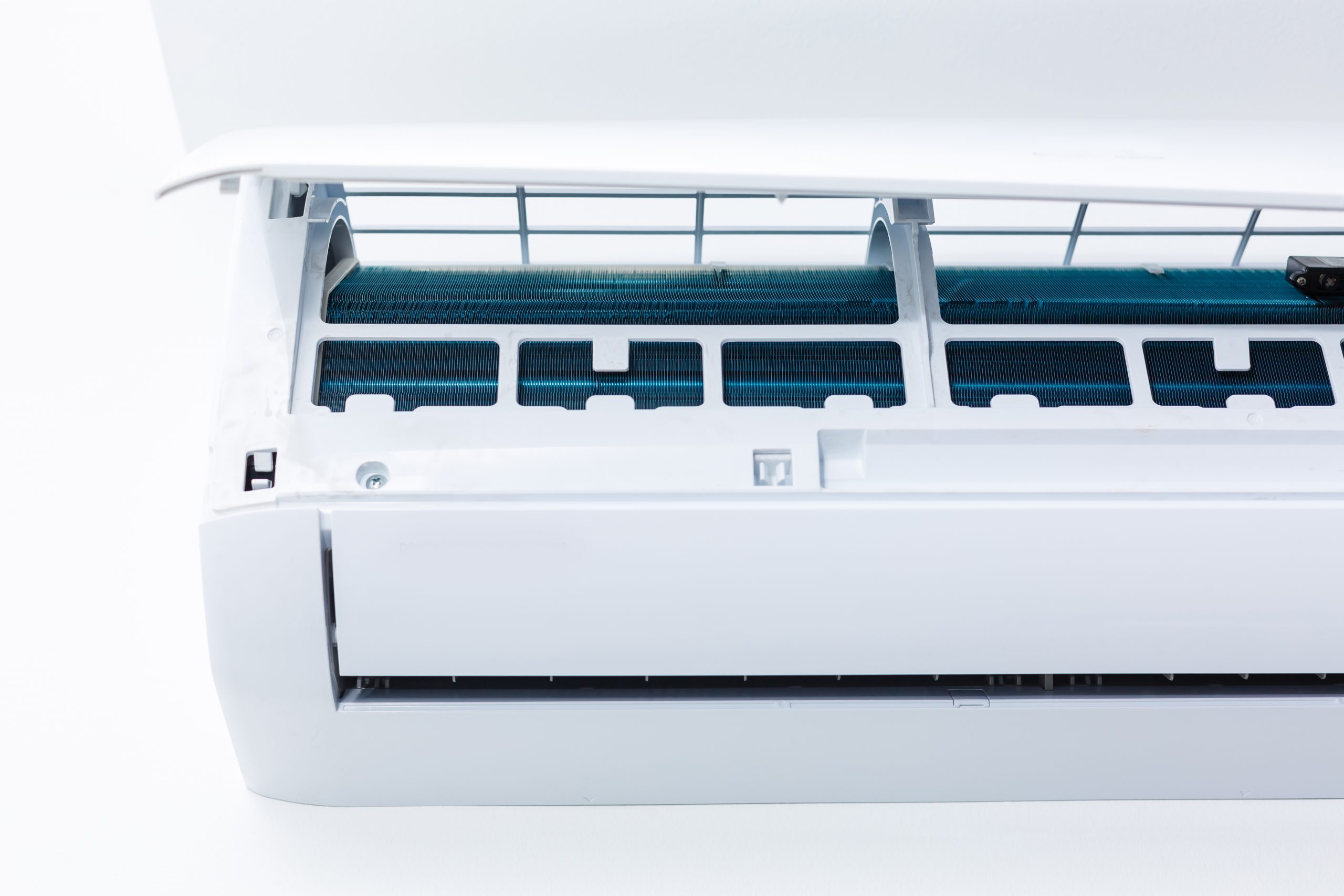
As North Texas heads into another stretch of intense heat, air conditioning systems across Benbrook are being put to the test. Long, hot summers place sustained strain on cooling equipment, and even well-maintained systems can develop issues when they're running for extended hours day after day. Understanding the most common AC problems and what typically causes them can help homeowners and business owners catch small issues before they turn into costly breakdowns.
One of the most frequent issues HVAC technicians encounter is a refrigerant leak. Refrigerant is the substance responsible for absorbing heat from indoor air, and when levels drop, a system loses its ability to cool effectively. Warning signs include reduced cooling performance, ice forming on the refrigerant line, or a hissing sound near the unit. Refrigerant leaks don't resolve on their own and typically require a trained technician to locate the leak, repair it, and recharge the system to the correct level.
Air conditioning systems rely on a network of electrical components, including capacitors, relays, and wiring connections, to start and run properly. Over time, these parts can wear down, especially in systems that cycle on and off frequently during peak summer demand. A unit that won't turn on, trips a breaker repeatedly, or shuts off unexpectedly often points to an electrical fault rather than a mechanical one. Because electrical issues carry a safety risk, this is an area where professional diagnosis is particularly important.
The compressor is often described as the heart of an AC system, circulating refrigerant between the indoor and outdoor units. According to HVAC experts at 822 Heat & Air in Benbrook, compressor problems are usually the result of another underlying issue, such as low refrigerant, electrical faults, or restricted airflow, that has gone unaddressed. Symptoms include loud or unusual noises, the system running without cooling, or the outdoor unit failing to start. Because compressors are among the most expensive components to replace, addressing smaller issues early is one of the most effective ways to protect this part of the system.
Reduced airflow is a common and often overlooked culprit behind uneven cooling. A clogged air filter, blocked vents, or dirty coils can all restrict the movement of air through the system, forcing it to work harder and cool less effectively. This not only reduces comfort but also increases strain on other components, including the compressor. Routine filter changes and seasonal cleaning are among the simplest ways to prevent airflow-related problems from developing.
Not every cooling issue stems from a mechanical fault. In some cases, a system was never matched correctly to the size of the property it serves. A unit that's too small for a space will run constantly without adequately cooling it, while an oversized unit can cycle on and off too quickly, leading to uneven temperatures and added wear. This issue is particularly relevant for homes that have been renovated or expanded, where the original system may no longer fit current cooling needs.
While some maintenance tasks, such as changing air filters, can be handled by homeowners, most AC issues are best diagnosed by a licensed HVAC technician. Symptoms like inconsistent cooling, rising energy bills without explanation, unusual noises, or frequent cycling are signs that a system should be inspected before the problem worsens. Acting early on these signs typically costs less and takes less time than waiting for a full system failure during the hottest part of the year.
Most AC problems share a common thread: they tend to start small and become more serious and more expensive the longer they go unaddressed. Scheduling routine maintenance, responding promptly to early warning signs, and ensuring a system is properly sized for the property are among the most reliable ways homeowners and business owners can keep their cooling systems running through the demands of a North Texas summer.


