Identifying air conditioning problems before peak summer temperatures arrive can help Texas homeowners avoid unexpected breakdowns, improve energy efficiency, and determine whether repair or replacement is the most practical long-term solution.
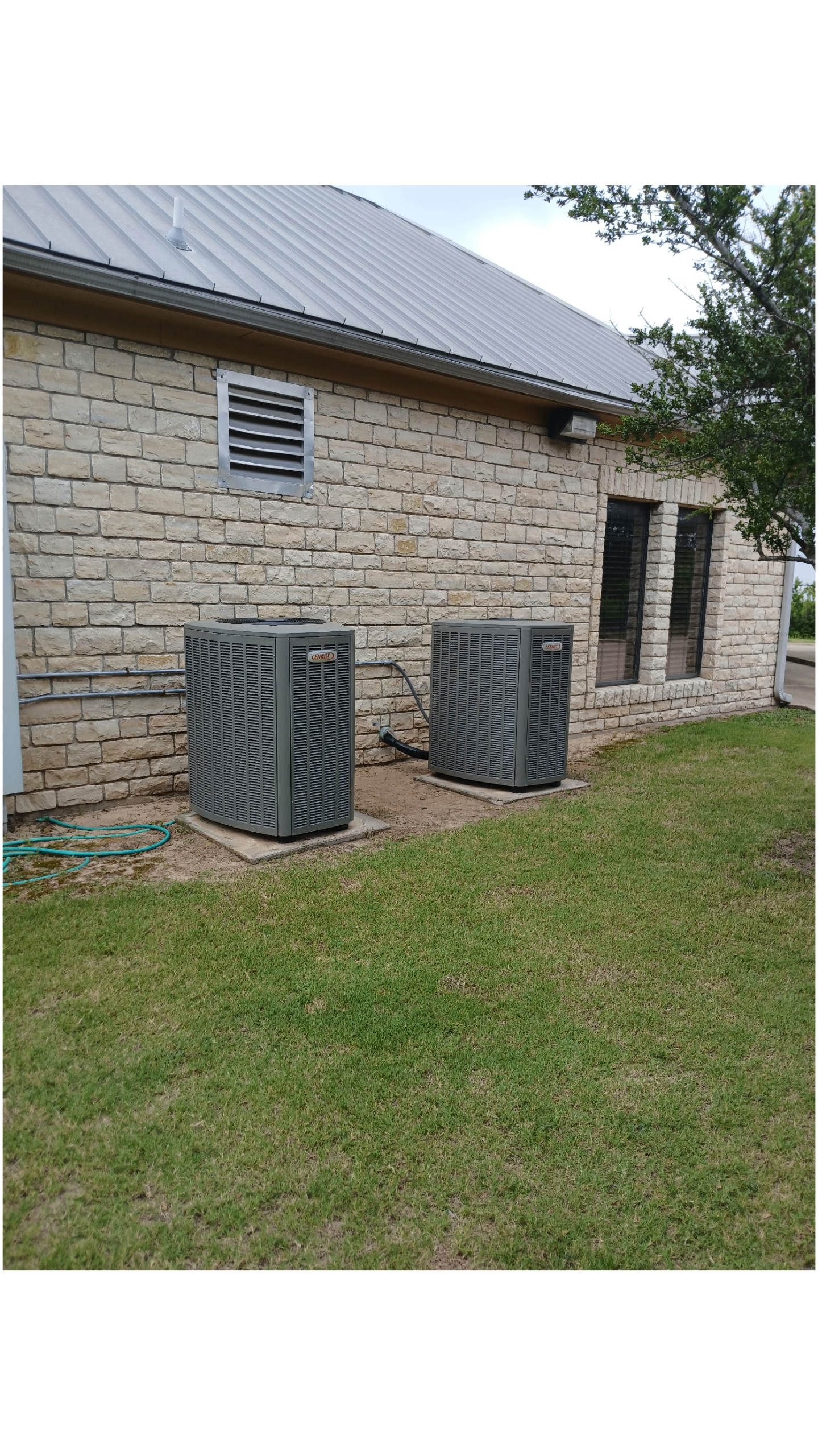
Texas summers place significant demands on residential air conditioning systems. When temperatures climb into the 90s and frequently exceed 100°F, homeowners depend on their HVAC equipment to maintain safe and comfortable indoor conditions. Unfortunately, many cooling systems show signs of trouble long before they fail.
According to the Burleson experts from 822 Heat & Air, recognizing these warning signs early can help homeowners avoid emergency repairs during peak cooling season, when demand for services is often at its highest.
One of the earliest indicators of AC trouble is an unexplained increase in electricity costs. This is because, as air conditioning systems age, components such as compressors, motors, and coils may become less efficient. Dirty coils, refrigerant issues, and airflow restrictions can force equipment to work harder to achieve the same indoor temperature, increasing energy consumption in the process.
According to the U.S. Department of Energy, proper maintenance and efficient operation can significantly reduce cooling-related energy use, while neglected systems often consume considerably more power than necessary.
When utility bills continue to rise despite similar usage patterns, an HVAC inspection may help identify the underlying cause.
A properly functioning air conditioning system should cool a home relatively evenly. If certain rooms consistently feel warmer than others, the problem may involve blocked ductwork, airflow restrictions, thermostat issues, or declining equipment performance. While some temperature variation is normal, significant differences often indicate a system that requires professional attention.
HVAC specialists say that ignoring uneven cooling can allow minor issues to develop into more expensive repairs over time.
Every air conditioning system requires occasional maintenance and repair. However, recurring service calls can indicate a larger problem.
Industry experts often recommend evaluating replacement options when repair costs become increasingly frequent or when major components begin failing on older systems. Continually investing in repairs may not always be the most economical long-term solution, particularly when equipment is approaching the end of its expected lifespan.
Most central air conditioning systems typically last between 15 and 20 years when properly maintained, although lifespan varies depending on usage, climate conditions, and maintenance history.
Air conditioners naturally produce some operational sounds, but unusual noises often signal mechanical problems. Grinding sounds may indicate motor or bearing issues. Banging noises can point to loose or damaged internal components. Squealing often suggests belt or motor concerns, while rattling may indicate loose hardware or debris within the system. Addressing these issues early can help prevent additional damage and reduce repair costs.
Homeowners who notice new or worsening noises should consider arranging an inspection before heavy summer use places additional strain on the equipment.
Air conditioning systems do more than cool the air. They also help control indoor humidity levels.
When indoor air begins to feel unusually damp or sticky, it may indicate that the system is no longer removing moisture effectively. This can occur because of refrigerant problems, drainage issues, oversized equipment, or declining system performance. Excess humidity can reduce comfort while potentially contributing to mould growth and indoor air quality concerns.
Visible moisture around an air conditioning unit should always be investigated. Some condensation is normal, but standing water, active leaks, or excessive moisture can indicate blocked condensate drains, frozen evaporator coils, or refrigerant-related problems. Left unaddressed, moisture issues can damage flooring, walls, and surrounding materials. Prompt diagnosis can often prevent a relatively minor issue from becoming a much larger repair project.
While many AC problems can be repaired, replacement sometimes offers greater long-term value.
Older systems generally operate less efficiently than modern equipment. The U.S. Environmental Protection Agency notes that ENERGY STAR-certified HVAC systems can significantly improve energy performance compared to ageing equipment. Newer systems may also offer improved humidity control, quieter operation, and enhanced comfort throughout the home.
Replacement is worth seriously considering when a system is approaching or exceeding 15 years of age, when repair costs are becoming increasingly frequent, or when energy bills continue rising despite regular maintenance. Ongoing comfort issues throughout the home and the need to replace major components are also strong indicators that a new system may be the more sensible long-term investment.
A professional assessment can help determine whether repair or replacement represents the most practical solution.
Waiting until a cooling system fails during a Texas heatwave often limits available options and may result in longer service delays. Spring and early summer provide an opportunity to evaluate equipment performance before temperatures reach seasonal highs.
Routine inspections, preventative maintenance, and early identification of developing problems can help homeowners maintain reliable cooling when it is needed most. Whether a system requires a simple repair or a complete replacement, addressing concerns before peak summer demand arrives is often the most effective way to avoid disruption during the hottest months of the year.


