Smart home technology is getting smarter, not more complicated. Discover the biggest home automation trends for 2026 and the practical upgrades that can make your home more connected, convenient, efficient, and easier to manage every day.
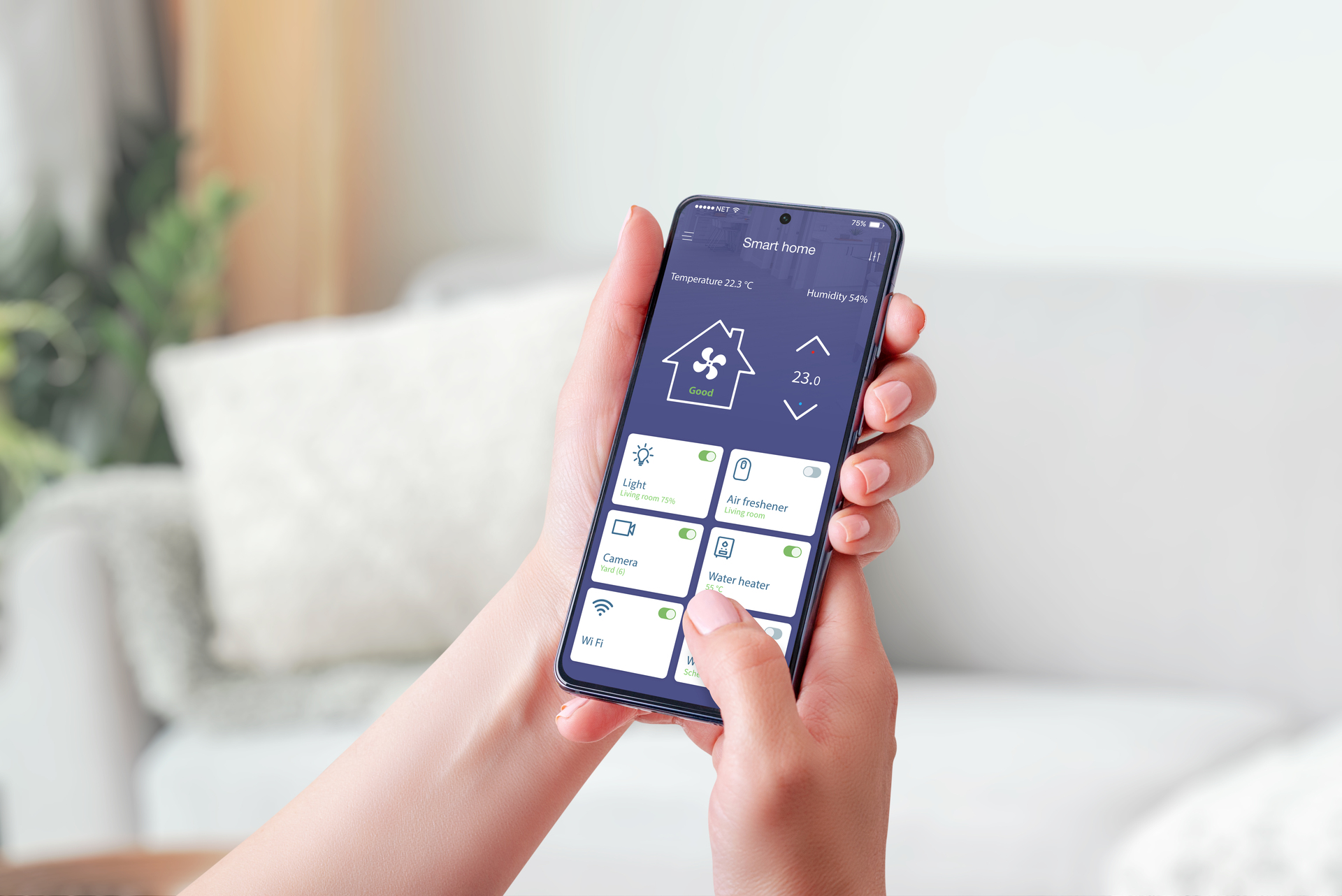
The average smart home now includes more than 20 connected devices, from lights and thermostats to security cameras and voice assistants. As homes become more connected, the biggest trend for 2026 isn't simply buying more smart devices—it's making them work together in ways that save time, improve comfort, and simplify everyday life.
For many homeowners, the challenge is no longer deciding whether to automate their home. It's figuring out which upgrades actually make a difference and which are likely to end up as expensive gadgets that rarely get used.
One of the biggest smart home trends for 2026 is integration. Instead of controlling every device through a different app, homeowners are looking for systems that bring lighting, heating, entertainment, security, and access control into one platform.
A connected smart home system makes everyday routines much easier. Rather than adjusting lights, thermostats, and door locks separately, homeowners can automate multiple actions with a single command or schedule.
For example, leaving the house could automatically turn off lights, adjust the HVAC, lock doors, and activate security settings without requiring multiple steps.
Remote home control has shifted from being a luxury to an expected convenience.
Whether you're at work, on vacation, or simply upstairs, being able to check your home from a smartphone or tablet offers both convenience and reassurance. Homeowners can adjust lighting, change thermostat settings, open the garage for a delivery, or confirm that doors have been locked without being physically present.
This flexibility also helps reduce unnecessary energy use. Instead of leaving lights or heating systems running all day, they can be managed remotely whenever plans change.
Access control used to be associated mainly with commercial buildings, but it's becoming increasingly common in residential properties.
Modern systems allow homeowners to replace traditional keys with keypads, proximity readers, or programmed access codes. Temporary access can also be granted to family members, guests, dog walkers, cleaners, or contractors without making duplicate keys.
Many systems also keep entry logs, allowing homeowners to review when doors were opened and by whom. This added visibility is especially useful for busy households where several people come and go throughout the day.
Lighting and HVAC remain two of the most popular smart home upgrades, but automation is expanding into many other areas of the home.
Today's integrated systems can also manage appliances, entertainment equipment, sprinklers, pool and spa controls, garage doors, and selected outdoor features. Instead of operating independently, these devices can be programmed to respond automatically based on schedules, occupancy, or homeowner preferences.
This creates a home that feels more responsive without requiring constant manual adjustments throughout the day.
Another growing trend is integrating communication into home automation.
Modern intercom systems now offer much more than room-to-room conversations. Depending on the system, homeowners can communicate throughout the house, monitor selected areas, answer visitors more conveniently, and connect communication features with broader home automation controls.
As connected homes continue to evolve, homeowners increasingly value solutions that combine multiple functions into one easy-to-use system instead of adding another standalone device.
Buying smart devices has never been easier, but getting them to work seamlessly together is often more complicated.
According to the experts at Protect U Services, homeowners often benefit more from designing an integrated smart home system than adding individual devices over time. When automation, access control, communication systems, and connected home features are planned together, they typically provide a smoother experience and are easier to manage over the long term.
Professional planning can also help homeowners choose upgrades that fit their lifestyle rather than simply following the latest technology trends.
The smartest homes in 2026 aren't necessarily the ones with the most devices. They're the ones that make everyday living simpler.
As smart home technology continues to evolve, homeowners who prioritize integrated systems over individual gadgets are likely to enjoy the greatest long-term value. Choosing upgrades that work together creates a home that's easier to manage, more comfortable to live in, and better prepared for whatever innovations come next.


