Installing a home alarm system could do more than protect your property — it may also lower what you pay for homeowner’s insurance each year.
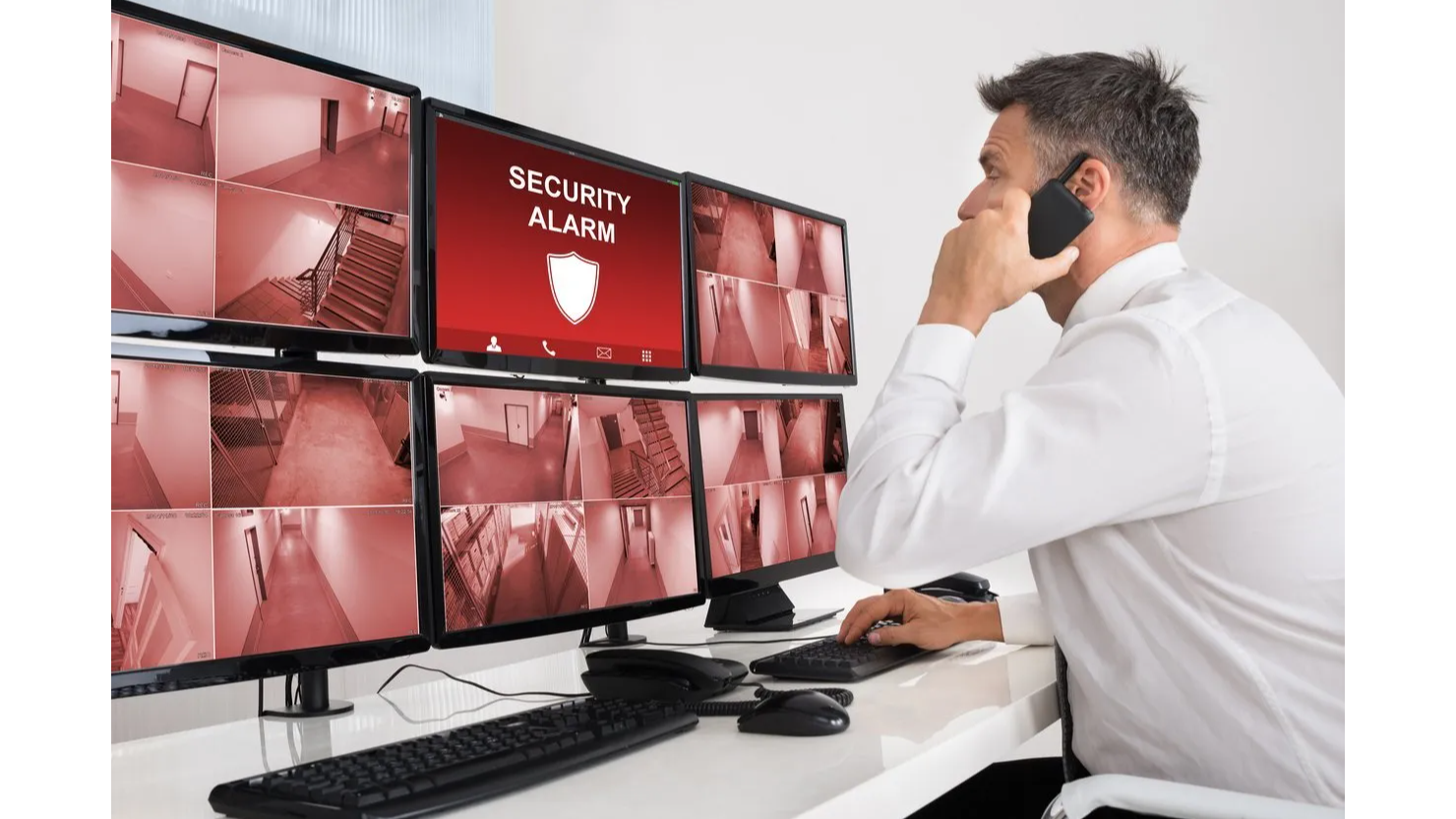
Most people install a home alarm system for one reason: to feel safer. That's a good enough reason on its own, but there's another benefit that often goes unmentioned. Many homeowners don't realize that a monitored alarm system can also qualify them for a discount on their homeowner's insurance. The savings vary, but can be significant enough to affect your annual budget.
Insurance companies assess risk when they set your premium, and a professionally monitored home burglar and fire alarm system is a strong signal to insurers that your property is less likely to generate a costly claim. Fewer break-ins and faster responses to fires mean fewer payouts, and many insurers pass some of that reduced risk back to policyholders in the form of a discount.
The discount varies by insurer and system type, but most major providers offer somewhere between 5% and 20% off your annual homeowner's insurance premium for a monitored alarm system. On a typical policy, that can amount to real savings each year, sometimes running into the hundreds of dollars. Some insurers go further, offering additional reductions when your system includes fire and smoke detection.
Not all alarm systems are treated the same way when it comes to insurance discounts. A self-monitored system that sends alerts to your phone but lacks a professional monitoring center typically qualifies for a smaller reduction, if any. Professionally monitored systems, where a central station can dispatch emergency services on your behalf, are what most insurers value and reward.
Beyond professional monitoring, insurers often look at what your system actually covers. A burglar alarm alone is a solid start, but adding smoke detectors, heat detectors, and fire alarm components can push your discount higher. Some providers also factor in panic alarms or other safety features, so a more comprehensive setup generally means a stronger case for a better rate.
Not every insurer structures their discounts the same way, so it pays to do some homework before installation. Some companies tie the discount to specific equipment certifications, while others base it on the breadth of coverage or the monitoring provider. Checking these requirements in advance means you can make sure the system you choose will actually qualify, rather than finding out after the fact.
Getting the discount isn't automatic, so it's worth a quick conversation with your insurer. Ask specifically about discounts for professionally monitored alarm systems, since agents don't always raise this unprompted. Once your system is active, your alarm company can provide a monitoring certificate, which is the documentation most insurers require. Submit that, and the discount is typically applied at renewal.
It's worth running a rough calculation before dismissing the real cost of professional monitoring. A 10% drop in your annual premium could offset a meaningful portion of the monitoring fee, making the gap smaller than most people expect.
Connecticut-based Protect-U-Services notes that once homeowners understand the full picture, the case for a monitored system often looks quite different from what it did at first. A good place to start is by exploring your options for professional home alarm installation and then having that conversation with your insurer.


