You probably don’t think twice about where your old couch or broken appliances go after the junk removal truck drives away. But the disposal method makes a measurable difference to landfills, local families, and even your home’s carbon footprint.
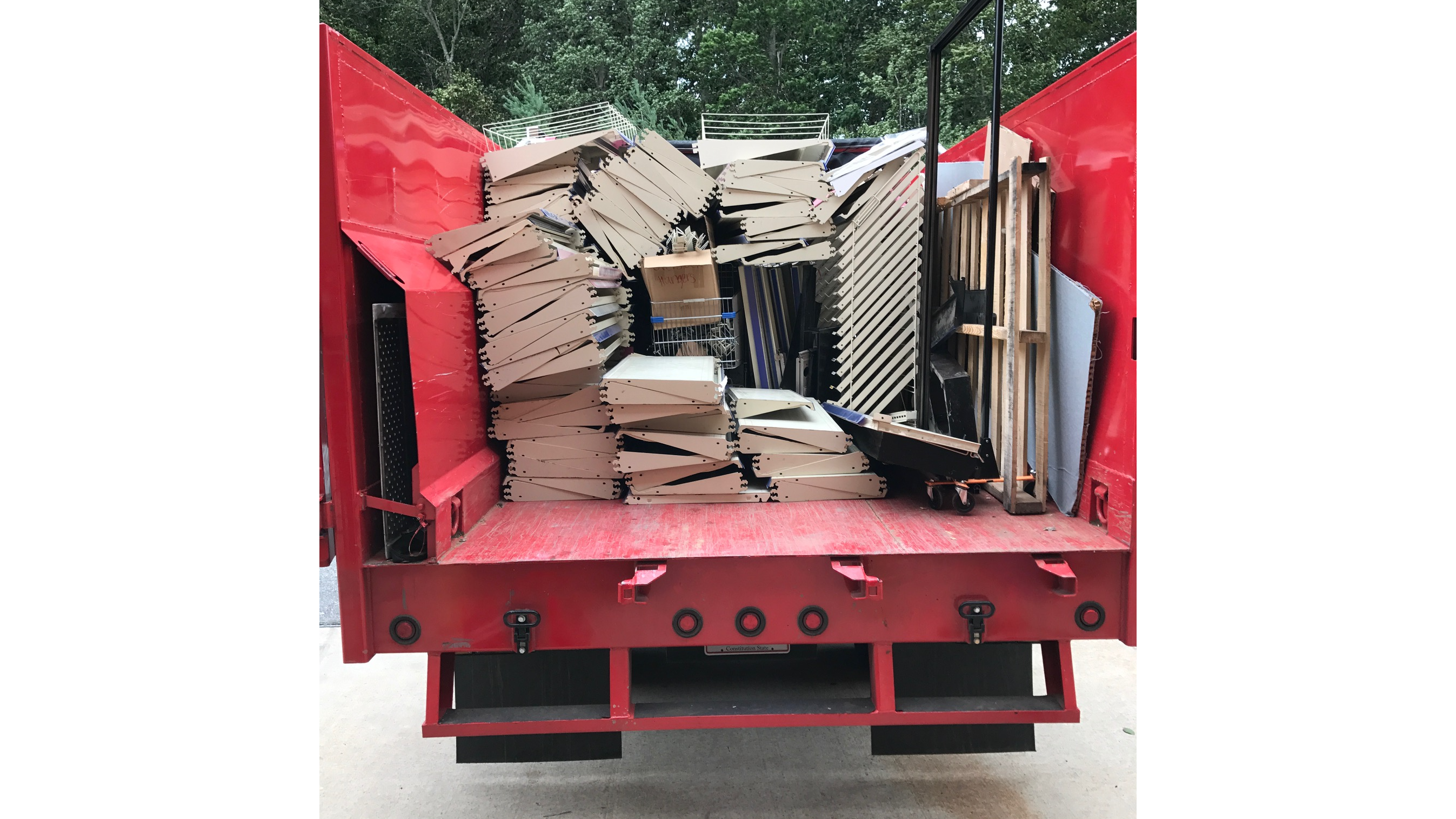
Most homeowners treat junk removal as a simple transaction: stuff goes out, truck drives away, problem solved. But what actually happens to that old couch, broken appliance, or box of outdated electronics after the truck leaves? The answer depends almost entirely on who's doing the hauling - and it has real consequences for landfills, natural resources, and the families living in your community.
A large share of what gets tossed during a typical home cleanout doesn't actually need to end up in a landfill. The U.S. generates roughly 292.4 million tons of municipal solid waste every year - about 4.9 pounds per person per day, according to EPA data. Of that, only about 32.1% is currently recycled or composted. The rest, nearly half, goes straight to landfill.
The gap between what could be recycled and what actually is recycled is where responsible junk removal makes its biggest impact. Many eco-focused haulers aim to divert 60-80% of collected items from landfills through a combination of reuse, recycling, and donation - a far cry from a standard dump run. For homeowners doing a garage cleanout, estate clear-out, or renovation haul, that number represents a genuine difference in how much waste actually gets buried in the ground.
Eco-friendly junk removal describes a specific set of practices that happen after the truck is loaded: sorting, routing, and responsible processing of materials that would otherwise be mixed together and sent to a landfill.
Professional services trained in responsible disposal separate collected items by material type. Paper, plastics, metals, and glass are each directed to appropriate recycling facilities where they're processed into raw materials for new products. This sorting step is the difference between a pile of waste and a stream of recoverable resources. Without it, even recyclable items end up buried simply because they weren't separated.
Usable items - furniture in good condition, working appliances, clothing, household goods - are frequently donated to local thrift stores and charitable organizations rather than being discarded. This practice extends the useful life of items, reduces demand for newly manufactured goods, and puts quality products into the hands of families who need them. It's a supply chain that benefits everyone involved, and it starts with a single pickup at your front door.
Services like Junk King Peninsula operate with this kind of multi-step approach, treating junk removal as a sorting and routing problem rather than just a hauling one.
Understanding why responsible disposal matters starts with looking at what goes wrong when it doesn't happen.
Bulky items are a particular problem. Furniture is landfilled at a rate of around 80%, according to EPA data - meaning the vast majority of discarded sofas, bed frames, and dressers end up buried rather than reused or recycled. That's striking when you consider that much of that furniture is structurally sound and could serve another household for years. Professional removal services focused on donation and material recovery are specifically equipped to change that number, item by item.
Not everything in a home cleanout is benign. Paint cans, batteries, certain electronics, and fluorescent bulbs contain materials that contaminate soil, groundwater, and air when improperly disposed of. These aren't edge cases - they're common household items. Improper disposal of hazardous materials can cause long-term damage to local ecosystems and public health, which is why professional services with proper disposal protocols matter well beyond simple convenience. Junk removal companies can take electronic waste (e-waste) and sealed dry paint but cannot legally take restricted hazardous materials. Consumers can safely and legally dispose of household hazardous waste (HHW) through county-approved drop-off locations.
One of the most compelling arguments for recycling-focused junk removal is that the benefits aren't abstract - they're quantifiable.
Recycling metals, plastics, and paper reduces the need to extract and process virgin raw materials. Every ton of aluminum, steel, or copper recovered through recycling is a ton that doesn't require new mining. Every bale of recycled paper reduces pressure on forests and water systems. These are direct substitutions that industrial recyclers make every time a batch of sorted material arrives at a processing facility.
The energy math alone makes a strong case. Recycling one ton of paper saves enough energy to power a U.S. home for six months, conserves 7,000 gallons of water, and prevents one metric ton of greenhouse gas from entering the atmosphere. Manufacturing aluminum from recycled material uses roughly 95% less energy than producing it from bauxite ore. These figures are measured outcomes that show up in utility costs, emissions data, and industrial energy reports.
Every product that gets recycled instead of manufactured from scratch represents energy not spent - and energy not spent means greenhouse gases not emitted. When junk removal diverts materials to recycling facilities, it reduces the total energy demand placed on manufacturing, which is one of the largest contributors to carbon emissions globally.
For homeowners, this translates to something personal and measurable: choosing a recycling-focused removal service for a single large cleanout can meaningfully reduce your household's indirect carbon output. The impact won't show up on your energy bill, but it registers in aggregate emissions data - and it scales when entire neighborhoods make the same choice.
Beyond the environmental math, there's a human dimension to responsible junk removal that often gets overlooked. Furniture, appliances, and household goods that are donated rather than discarded go to local thrift stores, charitable programs, and directly to families in need. That old dining set or working microwave taking up space in a garage has real value to someone else.
This kind of community circulation - goods moving from one household to the next rather than ending up in a landfill - reduces demand for new production, lowers costs for families who can't afford retail prices, and builds a local economy of reuse. Quiet as it may seem, this is one of the most tangible benefits of eco-conscious junk removal.
Junk removal companies don't all operate the same way. The questions worth asking go beyond price and availability:
These questions separate companies with genuine environmental commitments from those using sustainability as a selling point without the infrastructure to back it up. The right service should be able to answer all of them without hesitation.


