Think renovation debris removal is the cheap part of your project? Think again. In many cases, hauling away the waste costs *more* than the demolition labor itself—and the DIY route might not save you as much as you’d expect.
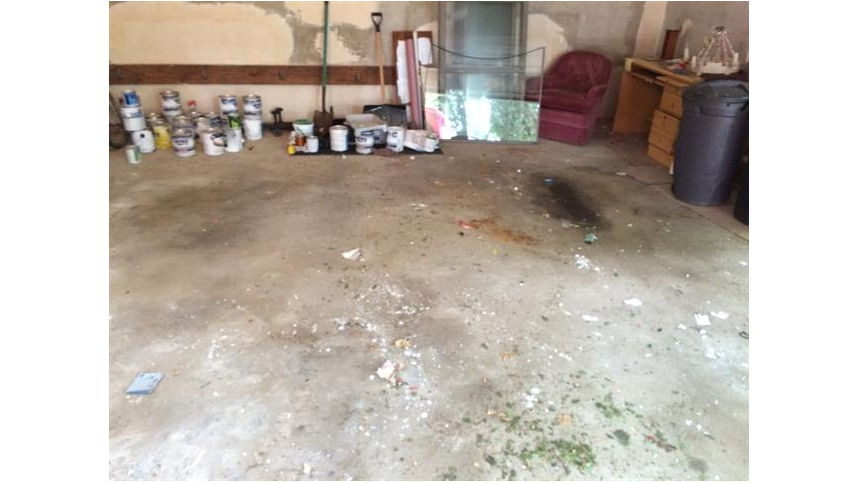
Renovation projects have a way of generating far more waste than homeowners expect. A bathroom gut, a kitchen demo, or even a simple deck teardown can leave behind a mountain of drywall, lumber, tile, and concrete — and that pile doesn't haul itself. Before the first wall comes down, understanding exactly what responsible debris removal will cost — and whether the DIY route is actually the better deal — is worth the time.
Most renovation budgets focus on materials and labor — the tile, the contractor, the fixtures. Debris removal rarely gets a line item until the project is already underway and a pile of broken drywall is sitting in the driveway. That's when the sticker shock sets in.
Industry professionals consistently flag debris disposal as one of the most underestimated costs in demolition work — often exceeding the labor costs for the crew itself. That's not an outlier. For a standard 14-cubic-yard truckload of construction debris, professional debris removal averages $450 to $600, with the broader range stretching from $200 to $800 depending on location and material type. Even the DIY path — when properly accounted for — can run $200 to $500 before factoring in personal time. Debris disposal deserves a real budget line from the very beginning.
The DIY approach to debris removal involves several concrete, out-of-pocket expenses that are easy to overlook when doing rough math on a napkin.
For a modest bathroom remodel or single-room demo, one trip might cover it. Larger projects — a full kitchen teardown, a multi-room renovation — can easily require two or three loads, multiplying every cost. What looks like a $150 solution on paper can quietly become a $400-plus weekend project.
Debris hauling experts, like those at Junk King Peninsula, say the visible costs are just the starting point. The expenses that tend to blindside DIYers are the ones that don't show up on any rental receipt.
Time is the big one. A typical DIY debris haul requires 4 to 8+ hours — loading, driving, unloading, driving back. That's a full workday, or most of a weekend. For anyone who values their off-hours, that's a real cost even if it doesn't appear on a bank statement.
Then there are the less obvious financial risks: improper sorting that leads to rejected loads at the transfer station, permit requirements for certain materials, potential fines for disposing of the wrong items in the wrong places, and the cost of repairing any accidental damage during heavy hauling. Renovation projects should budget $200 to $500 specifically for debris disposal — and that's before adding the value of lost personal time to the equation.
Full-service junk removal means a crew shows up, loads everything, hauls it away, and handles disposal — all in a single visit. Pricing is typically based on the volume of debris, measured by how much space it takes up in the truck.
The national range runs from $100 to $850 for most residential renovation jobs, with the average falling comfortably in the middle for a standard single-room demo. What that price covers matters: labor, transportation, fuel, disposal fees, and often sorting for recycling are all included in one upfront quote. There are no surprise dump fees and no wasted Saturdays.
Dumpster rental is a middle-ground option — it gives homeowners control over the timeline while offloading the hauling and disposal to a professional service. A dumpster is dropped at the property, filled over the course of the project, then picked up and emptied.
Nationally, dumpster rentals average around $385, and in San Mateo County dumpster rentals range from $300-$1,170, but pricing varies meaningfully based on several factors:
For ongoing remodels where debris accumulates over days or weeks, dumpster rental often makes more financial sense than multiple junk removal trips. The key is sizing correctly upfront — going too small almost always costs more in the end. Some companies, like Junk King Peninsula, offer dumpster rentals and can swap out the dumpster container with an empty one as frequently as needed to keep your job site clean, clear and safe. The dumpster swap-out works well for large cleanouts or continuous construction jobs where space is more limited or where keeping a clear job site is a higher priority.
DIY debris hauling makes financial sense when the scope is genuinely small — a single room repaint, a minor flooring swap, or a simple fixture replacement that generates a manageable amount of waste. If it fits in a standard truck bed or a rented trailer and doesn't involve anything hazardous, the DIY math can work in your favor.
Whether going DIY or hiring a professional debris removal service, sorting debris before it's hauled is one of the most effective ways to reduce disposal costs. Separating recyclables — clean lumber, metal scraps, concrete, drywall, and asphalt shingles — means some materials can go to recycling facilities at little or no cost, rather than adding to a mixed-debris load billed by weight or volume.
Renovation contractors consistently point out that on-site sorting of demolition debris — separating recyclable materials like scrap lumber, metal, concrete, drywall, and shingles — allows certain waste to be disposed of at very low or no cost. That upfront effort consistently pays off at disposal time, for both DIYers managing dump fees and homeowners working with a junk removal service. But professional junk removal companies can also handle sorting as they take away renovation debris.
There are three situations where professional debris removal is almost always the smarter call:
Beyond convenience, professional debris removal services carry insurance and are familiar with local disposal regulations — which means less legal and logistical risk for the homeowner.
In the San Francisco Peninsula, renovation debris removal comes with regional factors that can shift the cost calculus compared to national averages. Hauling experts, like Junk King Peninsula, say landfill access tends to be more limited in densely populated urban areas, disposal regulations are generally stricter, and permit requirements for dumpsters on public streets are actively enforced in many Bay Area cities. The result is that DIY hauling — especially for larger projects — carries more friction and more potential for unexpected costs than it might in less regulated markets.
Older homes in San Mateo County also carry a higher statistical likelihood of containing hazardous materials. Pre-1978 construction means lead-based paint is a realistic possibility in any wall demo — a well-documented national standard that applies directly to the Peninsula's older housing stock. Pre-1980 insulation and flooring materials may contain asbestos, consistent with federal guidelines on asbestos use in building products. These aren't materials to gamble with — they require licensed handling, and mismanaging them can trigger remediation costs and legal exposure that far exceed what any professional service would have charged. For these types of hazardous materials, you'll need to hire a licensed and certified hazardous waste abatement company.
For homeowners weighing the true cost of going it alone versus getting a quoted price from a professional crew, the calculation usually tips toward professional debris removal once the full picture is on the table: time, regional disposal complexity, hazardous material risk, and the simple value of having the debris gone — correctly and completely — without spending a weekend at the transfer station.


