That stubborn wound that won’t heal after weeks? There’s likely a hidden culprit sabotaging your body’s repair system—and it’s not what most people think. Here’s why 34% of diabetics face this same frustrating battle.
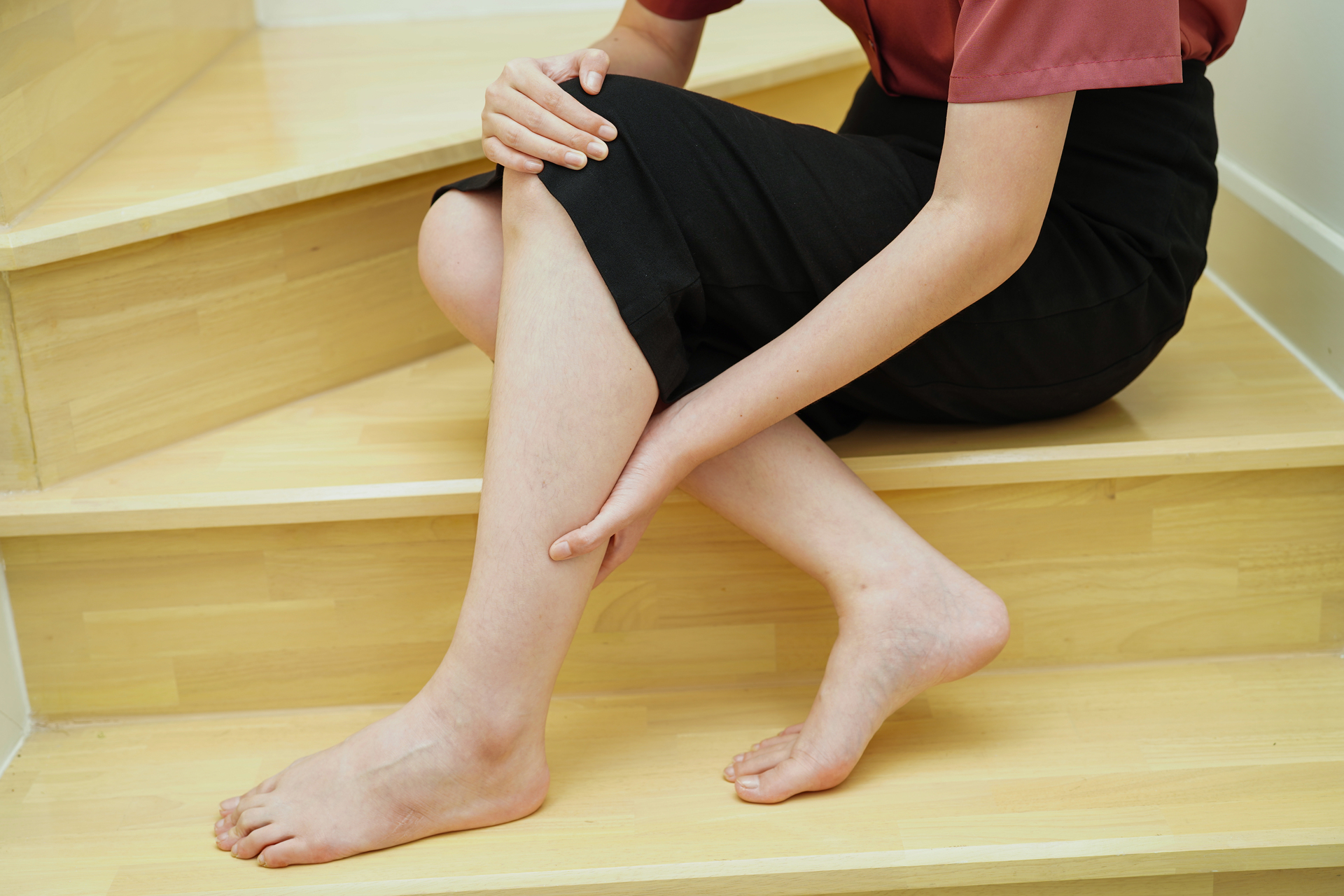
When wounds refuse to heal, the underlying culprit is often hiding in plain sight: compromised blood circulation. This silent saboteur quietly disrupts the body's natural repair mechanisms, turning what should be a straightforward healing process into a prolonged battle against infection and tissue breakdown.
Blood circulation serves as the body's transportation highway, delivering oxygen, nutrients, and healing factors directly to wounded tissue while simultaneously removing waste products and toxins. When circulation becomes impaired, this critical supply chain breaks down, leaving wounds starved of the resources they need to repair themselves effectively.
The impact extends far beyond simple nutrient delivery. Inadequate blood flow causes wounds to become stalled in a chronic inflammatory state, preventing the natural progression through healing phases that restore skin integrity. White blood cells struggle to reach the wound site, compromising the immune response and increasing infection risk.
This circulation disruption affects millions of Americans, particularly those with underlying vascular conditions. Kure Care specializes in advanced wound treatment approaches that address both the wound itself and the underlying circulation problems that prevent healing. Understanding how blood flow disruption sabotages wound repair helps patients recognize when professional intervention becomes necessary.
Normal wound healing follows a predictable sequence of four distinct phases, each requiring adequate blood flow to function properly. When circulation becomes compromised, this orderly process breaks down at multiple points, creating a cascade of healing failures.
The coagulation phase begins immediately after injury, when blood vessels constrict and platelets rush to form a protective clot. Poor circulation slows platelet delivery and reduces clotting factor availability, resulting in weak or incomplete clots that fail to provide adequate wound protection. Without proper clot formation, wounds continue bleeding longer and remain vulnerable to bacterial contamination.
Compromised circulation also affects the quality of fibrin networks within clots. These protein meshes normally create strong scaffolding for healing tissue, but reduced blood flow produces thinner, less stable structures that easily break down under normal movement and activity.
During the inflammation phase, white blood cells arrive to fight infection and begin tissue cleanup. Impaired circulation severely limits immune cell delivery to wound sites, reducing the body's ability to combat bacteria and remove damaged tissue. This creates a perfect environment for chronic infection and prolonged inflammation.
The inflammatory response also depends on proper waste removal through the lymphatic system. When blood flow is compromised, toxins and inflammatory byproducts accumulate in wound tissues, perpetuating inflammation and preventing progression to the next healing phase.
The proliferation phase involves rapid cell division and new tissue formation, processes that require substantial oxygen and nutrients. Poor circulation starves growing cells of vital resources, dramatically slowing tissue regeneration and leaving wounds stuck in a non-healing state.
New blood vessel formation, called angiogenesis, becomes particularly problematic with impaired circulation. Without adequate blood flow signals, the body struggles to create new capillaries that would normally supply growing tissue, creating a self-perpetuating cycle of poor circulation and stalled healing.
Even when wounds manage to close despite circulation problems, the final remodeling phase often fails to produce strong, durable tissue. Collagen synthesis and organization require consistent nutrient delivery that compromised circulation cannot provide, resulting in weak scar tissue prone to breakdown and re-injury.
The remodeling phase can take months to complete under normal circumstances. With impaired circulation, this process may never fully finish, leaving patients with fragile tissue that requires ongoing protection and monitoring.
Two conditions stand out as primary causes of circulation-related wound healing problems: diabetes and peripheral artery disease (PAD). Both create vascular damage that significantly impairs blood delivery to extremities, particularly the feet and lower legs where wounds commonly occur.
Elevated blood sugar levels in diabetes can contribute to the narrowing and hardening of blood vessels over time, potentially reducing blood circulation and delaying wound healing. This process, called atherosclerosis, creates blockages that prevent adequate oxygen and nutrient delivery to wounded tissue.
Uncontrolled diabetes also affects blood viscosity, causing it to move more slowly through vessels. This sluggish circulation makes it difficult for the body to deliver healing factors to wounds and remove waste products, resulting in slow or completely stalled healing processes.
Diabetic peripheral neuropathy compounds circulation problems by reducing sensation in extremities. Patients often fail to notice minor cuts and blisters until they become complicated wounds requiring intensive treatment.
Peripheral artery disease decreases the flow of oxygenated and nutrient-rich blood to the legs and feet, creating an environment where wounds struggle to heal normally. PAD often goes undiagnosed because symptoms develop gradually and may be mistaken for normal aging.
The condition creates arterial blockages that act like dams in the circulation system, preventing adequate blood flow to tissues below the obstruction. Even minor wounds in these areas become chronic problems because they lack the circulation needed for basic repair processes.
Recognizing circulation-related wound healing problems early can prevent minor injuries from becoming serious complications. Several key indicators suggest that poor blood flow is interfering with the natural healing process.
Wound edges that appear pale or bluish indicate insufficient blood flow to the affected area. Healthy healing tissue should display a pink or red color that reflects adequate circulation and oxygen delivery.
This discoloration often becomes more pronounced when legs are elevated, as gravity can no longer assist blood flow to the wound site. The color change serves as a visible indicator of underlying circulation problems that require professional evaluation.
Skin temperature around wounds provides valuable insight into circulation status. Cool skin around wound areas signals reduced blood flow, as warm circulating blood normally maintains consistent skin temperature.
Temperature differences between affected and unaffected areas become more noticeable as circulation problems worsen. This symptom often accompanies other signs of vascular compromise and should prompt immediate medical attention.
Wounds that fail to show significant improvement after four weeks typically indicate underlying circulation problems. Normal healing should demonstrate clear progress within this timeframe, with visible tissue growth and wound size reduction.
Chronic wounds that remain stalled beyond three months almost always involve circulation issues that require specialized treatment approaches beyond standard wound care.
Wound location provides important clues about circulation-related healing problems. Wounds on feet, lower legs, or digits are more likely to be affected by circulation issues because these areas are farthest from the heart and most vulnerable to vascular disease.
The smaller blood vessels in these extremities are particularly susceptible to damage from diabetes and PAD, making wounds in these locations high-risk for healing complications.
Modern medicine offers several effective approaches to restore circulation and enable proper wound healing. These treatments address the underlying vascular problems while supporting the wound healing process through advanced therapeutic interventions.
Angioplasty and stent placement can restore blood flow by opening blocked arteries that supply wounded tissue. These minimally invasive procedures use thin, flexible catheters to widen arterial blockages, and in some cases, a small mesh tube (stent) may be placed to keep the vessels open.
Endarterectomy removes plaque buildup from artery walls, while bypass surgery creates new pathways around severely blocked vessels. These surgical interventions can dramatically improve circulation to previously compromised areas, enabling wounds to progress through normal healing phases.
Negative pressure wound therapy and bioengineered skin substitutes work alongside circulation restoration to accelerate healing. These advanced therapies provide optimal healing environments while improved blood flow delivers necessary nutrients and oxygen.
Wound debridement removes dead tissue that impedes healing, while specialized dressings maintain proper moisture levels and protect against infection. Combined with restored circulation, these treatments significantly improve healing outcomes.
Hyperbaric oxygen therapy delivers concentrated oxygen directly to wound tissues under increased atmospheric pressure, overcoming circulation limitations that prevent adequate oxygen delivery. This treatment stimulates new blood vessel formation and improves immune function.
The therapy proves particularly effective for diabetic foot ulcers and wounds compromised by radiation damage or severe vascular disease. Multiple treatment sessions create cumulative benefits that support long-term healing success.
Early intervention makes the difference between successful wound healing and serious complications like amputation. Professional vascular assessment can identify circulation problems before they become irreversible, enabling targeted treatments that restore blood flow and promote healing.
Medical evaluation includes detailed medical history, physical examination, and advanced imaging studies that reveal the extent of vascular compromise. Doppler ultrasound and angiography provide detailed pictures of blood flow patterns that guide treatment planning.
Risk factor modification plays a crucial role in preventing future circulation problems. Smoking cessation, diabetes management, and cholesterol control help preserve remaining vascular function while supporting healing in affected areas.


