Medicare’s 2026 payment cuts will slash mobile wound care reimbursement to just $127 per square centimeter—but here’s the problem: it already costs providers over $130 just to reach rural patients before any treatment begins. What happens to homebound patients when the math stops working?
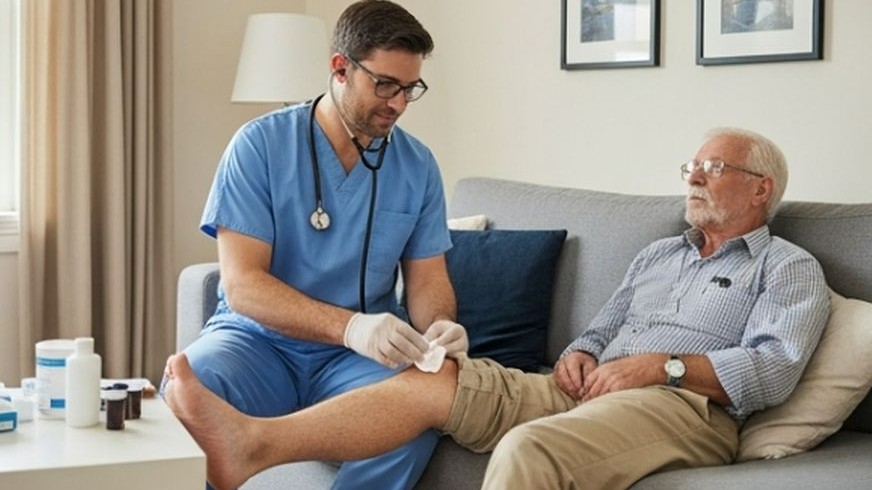
The Centers for Medicare & Medicaid Services (CMS) has fundamentally altered the economics of advanced wound care through sweeping changes to cellular and tissue-based product (CTP) reimbursement. These new rules, taking effect January 1, 2026, replace the previous average sales price with a flat payment rate that's unsustainable for many mobile wound care providers. Many wound care specialists encourage patients with chronic ulcers to seek treatment before the end of the year, the experts at KureCare explain.
While CMS designed these changes to address rapidly escalating Medicare spending—which jumped from $252 million in 2019 to a projected $15.4 billion in skin substitute costs—the abrupt transition threatens to collapse rural wound care access entirely. Rural patients already face higher amputation rates compared to urban populations due to limited healthcare access, delayed treatment, and transportation barriers.
Medicare spending on skin substitutes experienced unprecedented growth over five years, driven primarily by dehydrated allograft products derived from donated placental tissue. Between 2022 and 2024 alone, spending on these products increased sixfold despite utilization only doubling during the same period.
The National Association of Accountable Care Organizations (NAACOS) reported that Medicare spending on skin substitutes reached $15.4 billion in 2025, representing a 6,000% increase from the $252 million baseline just five years earlier. This explosive growth prompted CMS to implement immediate and dramatic payment reductions rather than gradual adjustments that might have preserved provider viability.
The fundamental economics of mobile wound care cannot support the new reimbursement structure. In Central Texas, sending a nurse practitioner or physician assistant to a rural home visit costs more than $130 before any treatment is provided. This baseline cost includes:
Contrary to industry misconceptions, compliant mobile wound care providers historically used CTPs conservatively. Most reputable mobile providers grafted fewer than 10% of their patients, applying strict clinical criteria and exhausting standard care options before considering advanced therapies.
This conservative approach allowed mobile providers to offset the inherent losses from rural home visits while maintaining high standards of care. The revenue from appropriate CTP use subsidized the substantial costs of reaching underserved populations, creating a sustainable model for rural wound care access.
Administrative barriers create additional hurdles for patients who already face significant obstacles to wound care access. These systems create additional challenges for patients who cannot physically travel to traditional wound care facilities.
Rural wound care patients face multiple transportation challenges that make facility-based care impractical or impossible:
These barriers create a perfect storm where patients most at risk for complications have the least access to preventive advanced therapies. When mobile wound care becomes economically unsustainable, these patients default to emergency department visits and hospitalizations—dramatically more expensive outcomes for both patients and Medicare.
The new CTP payment methodology fails to account for the unique operational costs of mobile wound care delivery. Unlike facility-based clinics with centralized equipment and supplies, mobile providers must transport specialized wound care equipment to each patient location.
Mobile wound care equipment requirements include portable negative pressure wound therapy units, ultrasonic debridement devices, compression therapy supplies, and extensive wound dressing inventories. These items require specialized vehicles, climate-controlled storage, and backup equipment to ensure consistent care delivery across vast rural territories.
The payment disparity between mobile and facility-based care creates an unfair competitive disadvantage for providers serving rural populations. Facility-based wound care centers benefit from:
Meanwhile, mobile providers absorb travel costs, maintain multiple equipment sets, and operate with significantly higher per-patient overhead expenses that the new reimbursement structure completely ignores.
The combination of reduced reimbursement and unchanged operational costs will force many small mobile wound care practices out of the market. This consolidation threatens the personalized, relationship-based care model that makes mobile wound care particularly effective for elderly and chronically ill patients.
Larger healthcare systems may absorb some mobile wound care capacity, but they typically focus on higher-volume urban markets rather than dispersed rural populations. The result will be significant gaps in wound care coverage across rural America, forcing patients to travel impossible distances or defer care until complications require emergency intervention.
Mobile wound care providers consistently demonstrate clinical outcomes matching or exceeding those achieved in controlled clinical trials. Case studies from reputable mobile providers show healing rates comparable to randomized controlled trials, with the added benefit of treating patients in their natural environment.
The home setting offers unique advantages for wound healing, including reduced infection risk from hospital-acquired pathogens, improved patient adherence to treatment protocols, and assessment of factors affecting wound healing such as nutrition, mobility, and social support.
Mobile wound care's greatest value lies in preventing minor wound complications from becoming life-threatening emergencies. Regular in-home visits allow providers to identify signs of infection, assess healing progress, and adjust treatment protocols before patients develop sepsis or other serious complications.
When patients lose access to mobile wound care, they often present to emergency departments with advanced infections that require hospitalization, surgical intervention, or amputation. These outcomes represent both human tragedy and significantly higher costs to the healthcare system than preventive mobile wound care would have cost.
Wound care specialists at KureCare say the January 1, 2026 implementation date creates an urgent timeline for intervention. There's still time to find a provider who will begin treatment before the deadline, and Medicare may allow treatments that started under the old rules to continue. But without quick action, patients in rural communities risk limited access to mobile wound care services that currently prevent thousands of amputations and hospitalizations annually.


