Nearly half of seniors suffer from lower back pain, yet many miss the simple habits and low-impact activities that can help. Discover practical, at-home strategies that may reduce discomfort, improve mobility, and support a more active lifestyle.
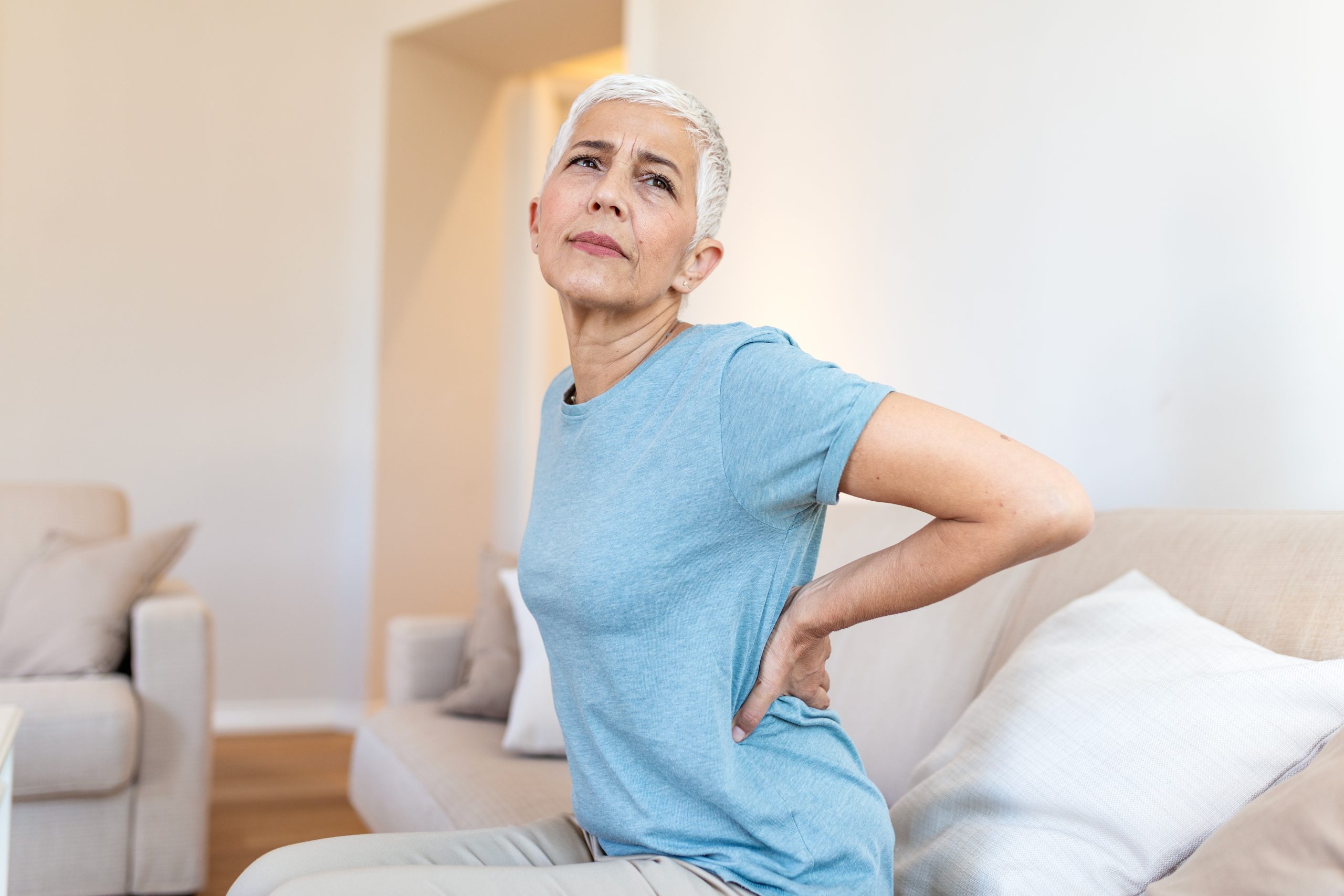
Lower back pain doesn't have to define the senior years. With the right combination of gentle exercises, lifestyle adjustments, and proven techniques, older adults can reclaim their mobility and maintain their independence at home.
Back pain affects nearly half of all adults aged 65 and older in the United States, according to survey data from the Centers for Disease Control (CDC) and Prevention's National Center for Health Statistics (NCHS). This staggering statistic represents millions of seniors whose daily activities—from gardening to shopping to simply getting out of bed—become significantly more challenging due to persistent lower back discomfort.
Age-related changes in the spine create the perfect storm for back pain development. Spinal discs lose moisture and thickness over time, while arthritis develops in spinal joints, contributing to stiffness and reduced flexibility. Common conditions like degenerative disc disease, osteoarthritis, spinal stenosis, and compression fractures become increasingly prevalent as the body ages, making seniors particularly vulnerable to chronic pain.
The consequences extend far beyond physical discomfort. Persistent back pain often leads to reduced mobility, increased risk of depression and anxiety, social isolation, and higher healthcare costs. When movement becomes painful, seniors naturally limit their activities, creating a cycle where decreased activity leads to muscle weakness, further compromising spinal support, and increasing pain levels. The team at Nutriomo Labs notes that advanced pain relief topical solutions can complement home-based strategies to break this cycle and restore quality of life.
Research consistently demonstrates that targeted exercises provide significant relief for senior back pain when performed safely and consistently. Studies show that participants following structured at-home exercise programs experience meaningful improvements in pain management and functional mobility, proving that home-based interventions can be highly effective.
Double knee-to-chest stretch: Lying on the back, gently pull both knees toward the chest, holding for 20-30 seconds. This stretch relieves pressure on the lower back while gently elongating tight muscles. Supine twist: From the same position, drop both knees to one side while keeping shoulders flat, creating a gentle spinal rotation that releases tension.
The seated hamstring stretch works particularly well for seniors with limited floor mobility. Sitting in a sturdy chair, extend one leg straight and gently reach toward the toes, feeling the stretch along the back of the thigh. Tight hamstrings often contribute to lower back pain by pulling on the pelvis and altering spinal alignment.
The bird dog exercise builds core stability while improving coordination. Starting on hands and knees, extend the opposite arm and leg simultaneously, holding for 5-10 seconds before switching sides. This movement strengthens the deep core muscles that support the spine without placing stress on the back.
Supine bridge exercises target the glutes and hamstrings, which often weaken with age and contribute to back pain. Lying on the back with knees bent, lift the hips toward the ceiling, creating a straight line from knees to shoulders. Hold for 10-15 seconds, gradually increasing duration as strength improves.
The cat-camel stretch promotes spinal mobility while strengthening postural muscles. On hands and knees, alternate between arching the back (camel) and rounding it toward the ceiling (cat), moving slowly through each position. This exercise helps maintain spinal flexibility and reduces stiffness.
Standing balance exercises improve proprioception and reduce fall risk. Simple activities like standing on one foot while holding a chair for support, or walking heel-to-toe in a straight line, improve the body's ability to maintain stability during daily activities.
Tai Chi combines gentle, flowing movements with deep breathing and mental focus, making it an ideal exercise for seniors with back pain. Studies consistently support its effectiveness for easing musculoskeletal pain, improving balance, and increasing flexibility. The slow, controlled movements strengthen muscles without placing excessive stress on joints or the spine.
The practice emphasizes proper posture and body alignment, which naturally reduces strain on the lower back. As practitioners learn to move from their core, they develop better body awareness and movement patterns that translate into daily activities. The meditative aspect also helps manage pain perception and reduces stress, which can exacerbate back pain.
Beginning Tai Chi requires minimal equipment—just comfortable clothing and a flat surface. Start with basic movements like weight shifting from foot to foot, gentle arm circles, and simple stepping patterns. Online videos and apps designed specifically for seniors provide structured guidance and ensure proper form.
Practice sessions should begin with 10-15 minutes and gradually increase as comfort and stamina improve. Focus on smooth, continuous movements rather than speed or complexity. The key lies in consistency—daily practice yields better results than occasional lengthy sessions.
Heat therapy increases blood flow and relaxes muscle tension, making it ideal for chronic stiffness and soreness. Apply heating pads, warm compresses, or take warm baths for 15-20 minutes at a time. Heat works particularly well before light exercise or stretching, as it prepares muscles for movement.
Cold therapy reduces inflammation and numbs acute pain, making it effective for new injuries or flare-ups. Apply ice packs wrapped in a thin towel for 10-15 minutes, never directly on the skin. Alternating between heat and cold can provide effective relief for different types of back pain.
Poor posture places excessive stress on spinal structures, contributing to chronic pain. Ergonomic adjustments make significant differences: use supportive chairs with proper lumbar support, position computer screens at eye level, and ensure feet rest flat on the floor when sitting.
When standing, distribute weight evenly on both feet, keep your shoulders back, and engage your core muscles gently. Sleeping posture matters equally—side sleepers benefit from a pillow between the knees, while back sleepers should place a pillow under the knees to maintain the spine's natural curve.
Quality sleep allows the body to repair and regenerate, while poor sleep increases pain sensitivity and inflammation. Create a sleep-friendly environment with comfortable mattresses that provide adequate support—not too soft or too firm. Establish consistent bedtime routines and avoid screens before sleep to improve rest quality.
Maintaining a healthy weight reduces stress on spinal structures. Even modest weight loss can significantly decrease back pain intensity. Focus on nutrient-dense foods that support bone health, including calcium-rich dairy products, leafy greens, and vitamin D sources. Regular low-impact activities like walking or swimming support weight management while strengthening back-supporting muscles.
While home-based strategies provide substantial relief for many seniors, combining these approaches with targeted pain management solutions often yields superior results. Natural methods work best as part of a multi-faceted strategy that addresses multiple aspects of back pain simultaneously.
Consider integrating specialized pain relief products when home exercises and lifestyle modifications provide partial but incomplete relief. The most effective approaches combine the strengthening and flexibility benefits of exercise with targeted pain management that addresses inflammation and muscle tension directly. This multi-pronged strategy often breaks through pain plateaus that single approaches cannot overcome.
Timing matters when combining methods. Use heat therapy before exercises to prepare muscles, apply targeted pain relief during acute episodes, and maintain consistent exercise routines for long-term benefits. This layered approach maximizes each method's effectiveness while minimizing potential limitations.
The path toward improved mobility and reduced back pain begins with consistent, gentle action. Start with simple stretches and basic exercises, gradually building a routine that fits individual capabilities and preferences. Remember that progress may be gradual, but consistency yields cumulative benefits that compound over time.
Success depends on finding the right combination of exercises, lifestyle modifications, and pain management strategies that work for each person's unique situation. Some seniors respond best to structured exercise programs, while others benefit more from gentle stretching and posture improvements. The key lies in experimenting safely and building sustainable habits.
Pain-free mobility remains achievable for seniors willing to invest in their health through proven, safe methods. Whether starting with gentle stretches, trying Tai Chi, or implementing lifestyle changes, every step forward contributes to greater independence and improved quality of life. The tools for relief exist—the choice to use them creates the path forward.


