Many women in Lewiston and Clarkston live with bladder leakage, pelvic pressure, and postpartum pain they’ve never been able to resolve. These symptoms are common — but they are not normal. And more importantly, they are treatable with the right specialized care.
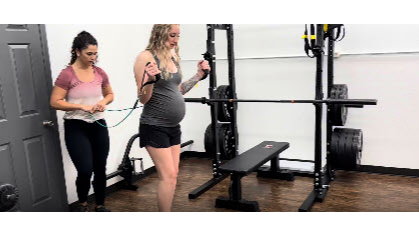
These symptoms are common. But common does not mean normal — and it does not mean untreatable.
What many women don't realize is that these conditions often require a specific type of care that general physical therapy simply isn't designed to provide. Understanding the difference between general physical therapy and specialized pelvic floor therapy is the first step toward getting the right help — and finally getting results.
What Is General Physical Therapy?
General physical therapy addresses injuries, movement limitations, post-surgical recovery, and musculoskeletal conditions throughout the body. A general physical therapist is trained to evaluate and treat a wide range of conditions — joint pain, muscle strains, sports injuries, back pain, and more.
General PT is excellent for what it's designed to do. But the pelvic floor is a specialized system of muscles, nerves, and connective tissue that requires targeted training, specific assessment techniques, and a clinical focus that falls well outside the scope of standard physical therapy practice.
When a woman sees a general physical therapist for bladder leakage, prolapse symptoms, or postpartum pelvic pain, she is often receiving care from someone who was not specifically trained to evaluate or treat those conditions. The result is frequently incomplete — temporary relief at best, no improvement at worst.
What Is Pelvic Floor Physical Therapy?
Pelvic floor exercises for women is a specialized branch of physical therapy focused specifically on the muscles, nerves, and tissues of the pelvic floor — the group of muscles that support the bladder, uterus, and bowel and play a critical role in bladder and bowel control, sexual function, and core stability.
A certified pelvic floor physical therapist undergoes advanced training beyond standard PT education — learning to assess pelvic floor function through both external and internal evaluation techniques, identify specific patterns of dysfunction, and design targeted treatment plans that address the root cause of symptoms rather than masking them.
The difference in outcomes between general PT and specialized pelvic floor therapy for women's health conditions is significant — and for many women, it's the difference between continuing to manage symptoms and actually resolving them.
What Pelvic Floor Exercises for Women Actually Involve
Most women have heard of Kegel exercises — and many have tried them without meaningful results. That experience leads a lot of women to believe that pelvic floor exercises simply don't work for them.
The reality is more nuanced. Kegels — repeated contraction and relaxation of the pelvic floor muscles — are appropriate for some women and counterproductive for others. A pelvic floor that is too tight or that has difficulty relaxing actually worsens with Kegel exercises rather than improving. Without a proper assessment from a qualified specialist, it's impossible to know which approach is right.
Pelvic floor exercises for women, when prescribed by a trained specialist, are individualized. They may include strengthening exercises for an underactive pelvic floor, relaxation and downtraining techniques for a hypertonic or overactive floor, coordination exercises that integrate the pelvic floor with breathing and core function, and progressive loading that adapts as the patient's condition improves.
This is fundamentally different from a generic exercise list — and it's why working with a specialist produces results that self-directed exercises rarely achieve. To understand more about why this area of health is so often overlooked, read why pelvic health matters more than you think.
Pelvic Floor Exercises for Bladder Leakage
Urinary leakage — whether during exercise, sneezing, coughing, or with sudden urgency — is one of the most common reasons women seek specialized pelvic floor care in the Lewiston and Clarkston area. It is also one of the most undertreated, because so many women have been told it's simply a normal part of aging or having children.
It isn't.
Bladder leakage most often results from pelvic floor dysfunction — either weakness that reduces the support structures around the urethra, or coordination problems that prevent the pelvic floor from responding correctly to sudden increases in abdominal pressure. Targeted pelvic floor exercises for bladder leakage address the specific pattern of dysfunction driving the problem rather than applying a one-size-fits-all approach.
For many women, meaningful improvement in bladder leakage is achievable in a matter of weeks with the right specialized care.
Pelvic Floor Exercises for Prolapse
Pelvic organ prolapse — the descent of the bladder, uterus, or rectum into or through the vaginal canal — affects a significant number of women, particularly after childbirth and menopause. The sensation of heaviness, pressure, or the feeling that something is falling out of the body is distressing and often significantly impacts quality of life.
Pelvic floor exercises for prolapse focus on building the strength and coordination of the pelvic floor muscles that support pelvic organs, reducing symptoms, improving function, and in many cases slowing or preventing prolapse progression. While severe prolapse may ultimately require surgical intervention, specialized pelvic floor therapy is frequently recommended as a first-line treatment before surgical options are considered.
Pregnancy and Postpartum Rehabilitation
Pregnancy and childbirth place extraordinary demands on the pelvic floor. The weight of a growing baby, the hormonal changes that affect ligament laxity, and the physical demands of labor and delivery — whether vaginal or cesarean — all affect pelvic floor function in ways that don't automatically resolve after delivery.
Postpartum pelvic floor exercises and specialized rehabilitation help new mothers rebuild pelvic floor strength and coordination safely, address diastasis recti — the separation of the abdominal muscles that occurs during pregnancy — manage scar tissue from episiotomy or cesarean incisions, and return to physical activity without the pain, leakage, or pelvic pressure that many women mistakenly accept as their new normal.
Prenatal pelvic floor care is equally valuable — preparing the pelvic floor for the demands of delivery, reducing the risk of postpartum dysfunction, and giving expectant mothers the tools to support their pelvic health throughout pregnancy.
Why a Women's Pelvic Health Specialist Makes All the Difference
The expertise of the provider matters enormously in pelvic floor care. A certified women's pelvic health specialist brings advanced clinical training, a thorough understanding of the pelvic floor's relationship to the rest of the body, and the experience to identify patterns of dysfunction that a general practitioner would miss.
RegenTech Physical Therapy in Lewiston, Idaho is the only clinic in the Lewiston and Clarkston area with a certified Herman and Wallace pelvic health specialist — the gold standard credential in pelvic floor physical therapy. RegenTech's approach goes further than traditional pelvic PT by integrating advanced regenerative technologies — including Class IV Laser Therapy, electro dry needling, multi-waveform electrical stimulation, and myofascial decompression — that address deep tissue healing and promote lasting results rather than temporary symptom management.
This combination of specialized expertise and regenerative technology is what makes RegenTech's approach fundamentally different from anything else available in the region.
This article is intended for general informational purposes only and does not constitute medical advice. Individuals experiencing pelvic floor symptoms should consult a qualified healthcare provider regarding their specific circumstances.
RegenTech Physical Therapy
621 Main Street, Suite A — Lewiston, ID 83501
509-769-7551 | regentechpt.com


