Mobile wound care brings hospital-grade treatment directly to your home, eliminating transportation stress and infection risks that slow recovery. Weekly monitoring catches complications early, personalized plans fit your actual lifestyle, and insurance typically covers the cost—making healing faster and more accessible than traditional clinic visits.
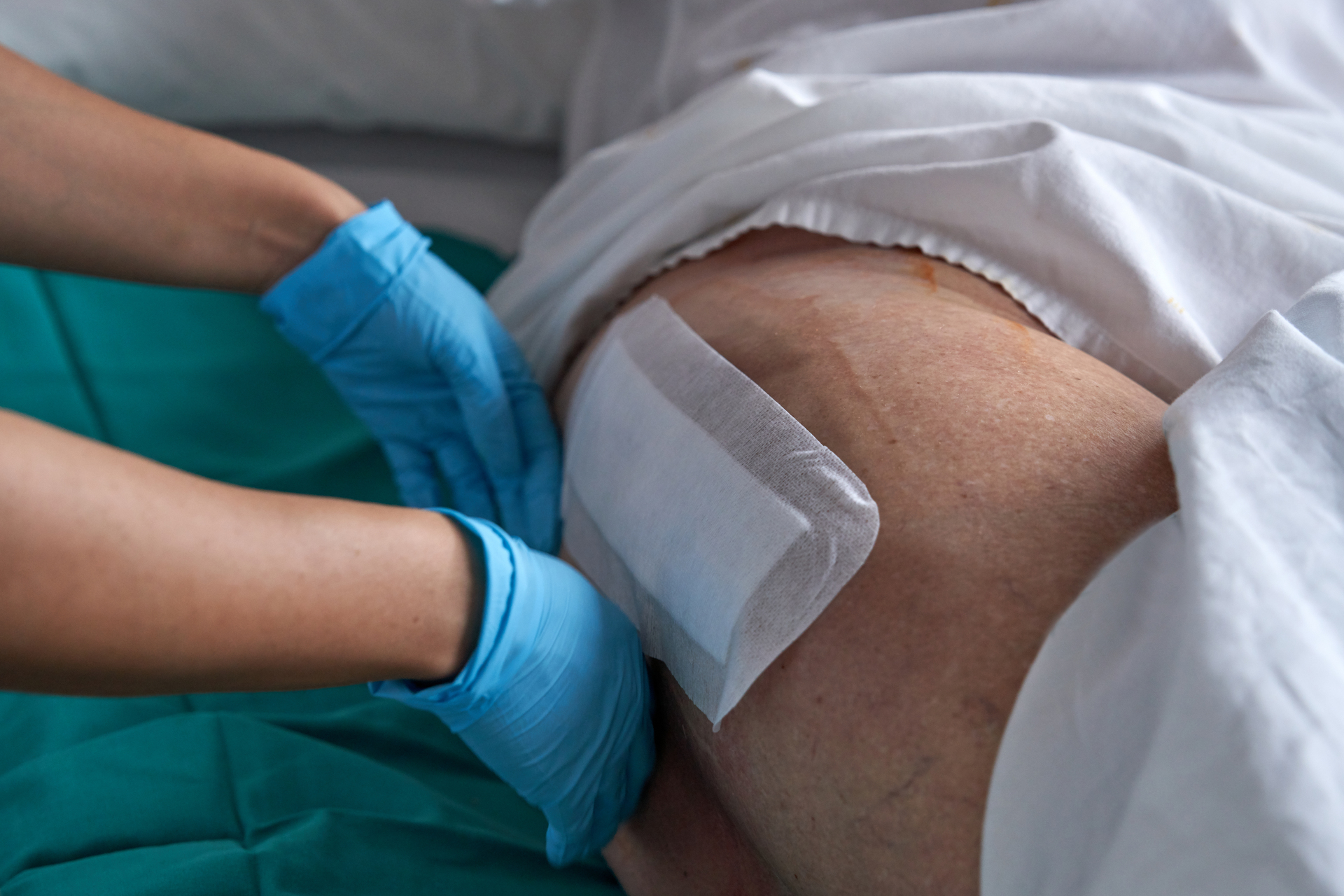
Key Takeaways
Painful trips to medical facilities drain your energy when chronic wounds need weekly attention. Certified specialists who bring hospital-grade treatment to your door eliminate the stress and physical strain that makes healing slower for millions dealing with diabetes, poor circulation, and limited mobility.
NYC-based Experts from Tri State Wound explain that traditional clinic visits mean coordinating transportation, enduring uncomfortable waits, and exposing vulnerable tissue to infection risks in crowded medical buildings. Here's what changes when expert wound care comes to you instead.
When you're stressed or uncomfortable, your body floods with cortisol and similar hormones that actually work against healing. Blood flow to damaged areas drops. Your immune system weakens, making it harder to fight off bacteria trying to invade open wounds. Although medical facilities maintain strict cleanliness standards, many people still feel anxious in clinical settings because hospitals remind them of illness and loss of control.
At home, however, stress hormones stay low because everything around you feels safe and familiar. White blood cells reach wounds faster when your nervous system stays calm, which means tissue rebuilds more efficiently. Research backs this up—patients who feel comfortable during treatment consistently show better healing compared to those dealing with transportation worries and clinical anxiety.
People with chronic wounds often struggle with mobility issues that turn every clinic visit into an exhausting ordeal. You might need to arrange rides through family members who have jobs, or book medical transport services that require hours of waiting. A thirty-minute appointment suddenly consumes half your day, leaving you exhausted and discouraged about keeping up with treatment schedules.
Missing just one appointment gives bacteria time to multiply rapidly. Tissue damage spreads, and the progress you've made can reverse completely within days. Because mobile specialists work around your schedule and eliminate transportation barriers, you never have to choose between getting care and having enough energy for the rest of your day.
Specialists who visit your home notice things that clinic-based providers never see—like furniture arrangements that put pressure on healing tissue or household items that might interfere with proper wound care. They can teach family members specific ways to support your recovery between visits, which makes a real difference when you need help with daily tasks. This attention to your actual living situation addresses problems that generic clinic instructions usually miss.
Instead of forcing you to reorganize your entire life around medical appointments, your treatment schedule bends to accommodate your routines. Visits happen when your energy levels are highest, when caregivers are available to help, or when your medications work best for wound care timing. That kind of flexibility means you're far more likely to stick with treatment because healthcare finally works with your life instead of against it.
Mobile providers maintain direct communication with your primary doctor, diabetes specialist, vascular surgeon, and everyone else managing your health. When information flows smoothly between all these professionals, nobody misses important changes in your condition or accidentally gives you conflicting advice. Problems get caught early because your entire care team stays on the same page about your treatment goals and current progress.
Patients stuck with fragmented care often receive duplicate treatments or miss complications that could have been prevented. In contrast, integrated teams adjust your care plan based on insights from multiple medical perspectives, all working together toward one goal: getting you healed.
With specialists examining your wounds every week, they catch warning signs of infection or tissue breakdown before these issues become emergencies. Unusual redness, unexpected drainage, or areas that aren't healing properly get addressed immediately rather than worsening between monthly clinic appointments. Early action prevents minor setbacks from turning into serious medical crises that land you in the hospital.
Quick treatment adjustments also become possible when providers see wounds responding differently than expected. You always get the most effective therapy for your wound's current state instead of following an outdated plan that no longer matches what your body needs.
Despite rigorous cleaning in medical facilities, waiting rooms and treatment areas harbor bacteria and resistant organisms that thrive in clinical environments. Open wounds create easy entry points for these dangerous microorganisms, which is why healthcare-associated infections remain such a serious risk. For patients with weakened immune systems, these infections sometimes become life-threatening.
Receiving care at home keeps you away from these environmental pathogens entirely. The bacteria in your house are ones your immune system already recognizes and knows how to handle, which dramatically reduces your risk of unexpected infections that could derail your healing progress.
Medicare, Medicaid, and most private insurance plans cover mobile wound care because preventing complications costs far less than treating infections and hospitalizations. When insurance companies review the numbers, they realize that consistent home care reduces overall healthcare spending while improving patient satisfaction and outcomes. Many patients discover their out-of-pocket costs actually decrease compared to traditional facility visits once they account for transportation and other hidden expenses.
Coverage typically includes specialist visits, advanced dressings, specialized equipment, and supplies needed between appointments. As insurance providers see better results from home-based models, they increasingly prefer this approach over traditional clinic care.
Mobile specialists arrive with portable devices that deliver the same therapies available in dedicated wound centers. Negative pressure therapy systems, bioengineered skin products, compression devices, and specialized dressings all travel to your home with professionals trained to use them effectively. Choosing home care doesn't mean sacrificing treatment quality or accepting slower healing compared to hospital-based options.
Ultrasonic tools that remove dead tissue using sound waves work just as well on your kitchen table as they do in clinical settings. Multiple treatment options remain available regardless of where care happens, giving specialists flexibility to address different wound types and healing stages without sending you to various specialized facilities.
Providers measure wounds, photograph tissue changes, and track healing using the same standardized tools that hospitals require. Digital records capture your progress over time, which helps specialists evaluate healing rates and spot concerning changes that need attention. This documentation also supports insurance claims and makes it easy to share updates with other members of your medical team.
When cases present unusual challenges, your home provider can consult remotely with wound care experts nationwide through telemedicine technology. Getting additional medical opinions no longer requires you to travel for specialized consultations.
Surgery recovery, chronic pain conditions, and disabilities that restrict mobility all make getting to medical facilities genuinely difficult. Climbing in and out of vehicles, walking through parking lots, and sitting in hard waiting room chairs causes pain that discourages people from seeking necessary treatment. Specialists who come to you remove these physical barriers completely while respecting your comfort needs and limitations.
For elderly patients who no longer drive safely or feel confident in busy medical complexes, home care preserves independence and dignity. Not having to constantly ask family for rides means maintaining autonomy that matters deeply to people who value their self-reliance.
Diabetes, heart disease, kidney problems, and immune disorders all affect how wounds heal, which means your care needs to address more than just surface symptoms. Home visits give specialists time to discuss medication management, nutrition concerns, and lifestyle factors that impact your overall health. This comprehensive approach treats you as a whole person instead of just focusing on wound appearance while ignoring root causes.
Managing complex health needs often requires frequent healthcare interactions that become overwhelming when every appointment means driving to different facilities. Consolidating wound care into convenient home visits reduces this burden while ensuring your wounds get specialized attention from professionals who understand complicated medical situations.
Chronic wounds limit your activities and create constant worry about infections that threaten your health. When stress decreases and treatment stays consistent, healing accelerates beyond what many patients thought possible for their situation.
Mobile wound care specialists remove every obstacle between you and recovery while delivering the same quality care found in hospital wound centers. Years of focused experience with advanced technology mean better healing outcomes happen in your own home for many patients who struggled with traditional clinic approaches that added stress instead of reducing it.


