A New York City wound care expert explains what happens during mobile wound treatment visits and shares insights to help patients and families prepare for professional at-home care.
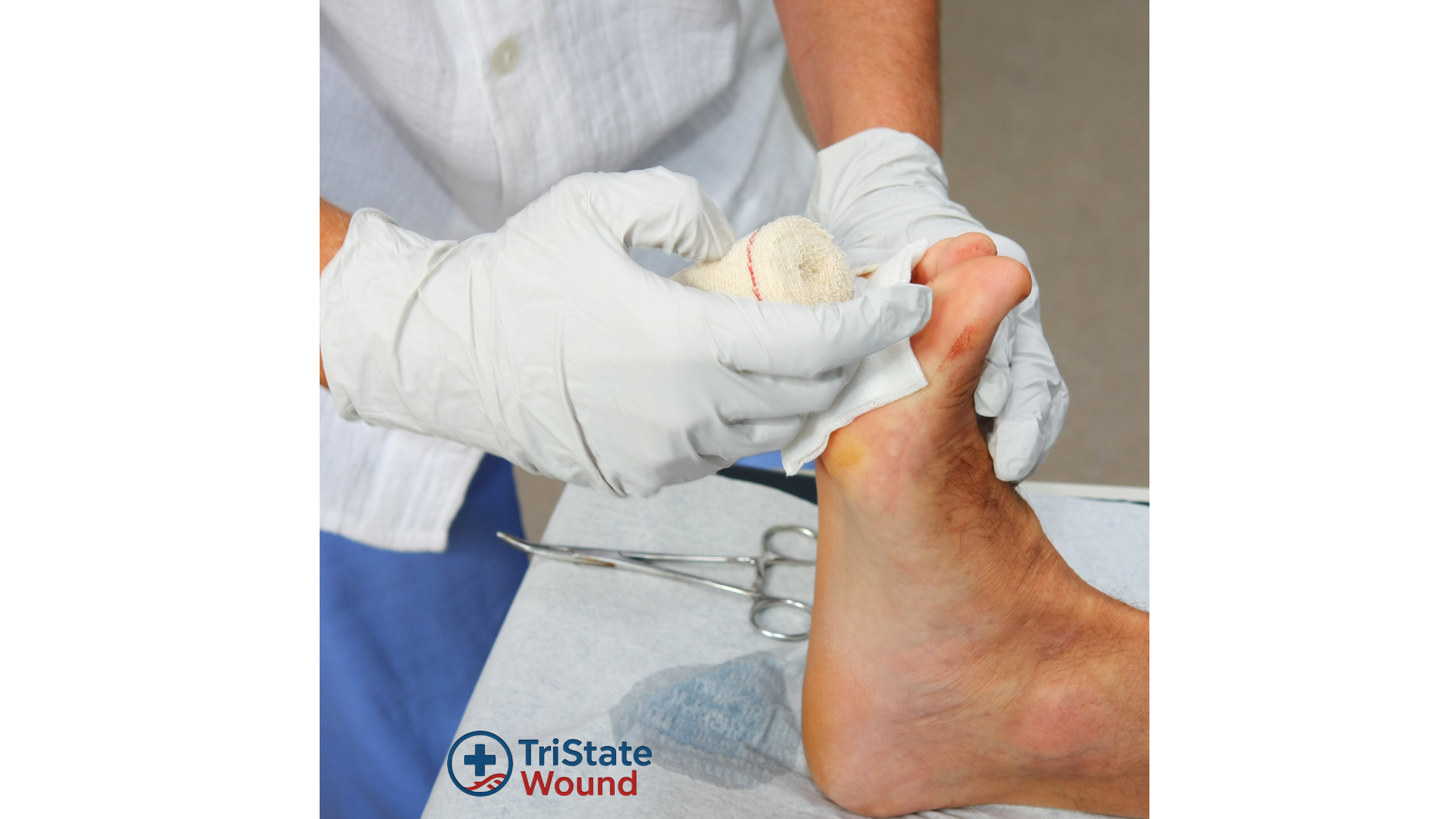
You peel back the bandage for the third time this week, and your stomach drops. Is that redness spreading? Should the drainage look like that? You rewrap it—maybe too tight, maybe not tight enough—and add "call the doctor" to your mental list. But getting to an appointment means coordinating transportation, navigating stairs you can barely manage, and sitting in a waiting room for an hour. By evening, you've talked yourself out of going.
This cycle plays out every day. Patients with diabetic ulcers, surgical wounds, or pressure sores find themselves trapped between needing professional care and the overwhelming logistics of getting it.
Mobile wound care is a practical solution, but many people hesitate because they don't know what to expect when a medical professional arrives at their door.
The fear of the unknown often prevents people from seeking the help they need. Patients worry about strangers in their home, whether their living space is adequate for treatment, or if the care will match what they'd receive in a clinical setting.
These concerns are valid, but understanding the typical process can ease anxiety and help families make informed decisions about wound management.
A mobile wound care visit follows a structured process designed to deliver clinical-quality treatment in a home environment. The professional arrives with all necessary equipment and supplies, so patients don't need to purchase or prepare anything in advance.
The visit typically begins with a comprehensive wound assessment. The provider examines the wound's size, depth, and condition while checking for signs of infection or healing complications. This assessment informs the treatment plan and helps track progress over time.
Next comes wound cleaning and debridement if needed. The provider removes dead tissue and cleanses the area using appropriate solutions, which is critical for preventing infection and promoting healthy tissue growth.
Dressing application follows, with the provider selecting materials based on the wound type and healing stage. Different wounds require different approaches—a diabetic ulcer needs different care than a surgical wound or pressure sore.
Finally, the provider documents everything and discusses the care plan with the patient and family. This includes instructions for between-visit care, warning signs to watch for, and scheduling the next appointment.
Patients often ask how to prepare their space. The requirements are simple: a clean, well-lit area where the provider can work comfortably. This might be a bedroom, living room, or any space where the patient feels at ease. The provider brings everything else needed for treatment.
Family members can participate in the visit if the patient prefers. Many providers encourage this, as it helps caregivers learn proper wound care techniques for between-visit maintenance.
This service works particularly well for chronic wounds that require ongoing professional attention. Diabetic foot ulcers, pressure sores from extended bed rest, non-healing surgical wounds, and vascular ulcers all benefit from regular expert monitoring.
The convenience factor matters too. Patients who struggle with transportation, those in care facilities without on-site wound specialists, and individuals who prefer the privacy of home treatment all find value in mobile services.
Mobile wound care offers a practical alternative to clinic visits for many patients. The convenience of at-home treatment removes transportation barriers while maintaining clinical standards. Understanding what happens during these visits helps patients and families decide if this option fits their situation.
Whether you choose mobile care or clinic-based treatment, the priority remains the same: consistent, professional wound management. The right choice depends on your specific medical needs, living situation, and personal preferences.
For more information about mobile wound care options in your area, consult with your primary care physician or contact local wound care providers to discuss your specific needs.


