If you think steel project managers just oversee construction timelines, you’re missing the bigger picture. In Westminster, Colorado’s booming construction market, these professionals juggle triple constraints that can make or break million-dollar projects—and one misstep in coordination could cascade through your entire build.
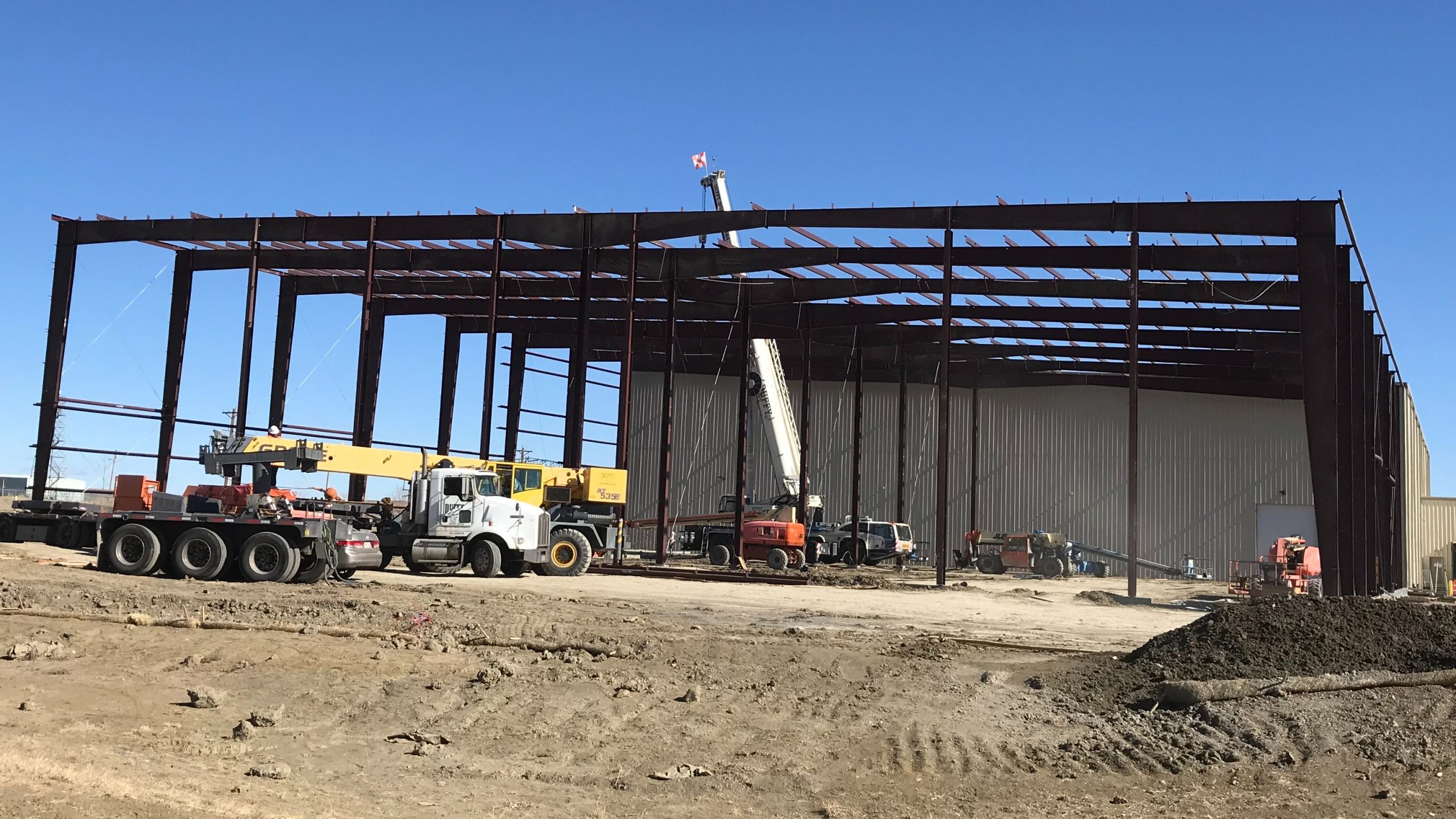
Steel project managers serve as the central orchestrators of complex construction projects, bringing together multiple disciplines and stakeholders to deliver successful outcomes. Their expertise becomes particularly valuable in Westminster, Colorado's active construction environment, where commercial and mixed-use developments continue to shape the city's skyline.
A steel project manager oversees the entire lifecycle of steel construction projects, beginning with initial design coordination and extending through final structural erection. This oversight ensures that every element aligns perfectly with project specifications and timeline requirements.
During the design phase, steel project managers collaborate closely with architects and engineers to review structural drawings, identify potential challenges, and optimize material selections. They work directly with steel detailing teams to ensure fabrication drawings accurately reflect design intent while considering practical construction constraints.
The procurement stage requires careful coordination with steel suppliers and fabricators to secure materials that meet both quality standards and delivery schedules.
During the erection phase, steel project managers become field commanders, coordinating crane operations, managing safety protocols, and ensuring that installation proceeds according to engineered sequences. They maintain constant communication with erection crews, general contractors, and other trades to prevent conflicts and optimize workflow efficiency.
The foundation of successful steel project management rests on balancing three critical constraints: time, cost, and quality. Steel project managers must continuously monitor and adjust these interconnected elements throughout the project lifecycle.
Budget development for steel projects requires deep understanding of material costs, labor rates, equipment expenses, and fabrication complexities. Steel project managers create detailed cost breakdowns that account for raw material price fluctuations, transportation expenses, and potential change orders.
Ongoing cost monitoring involves tracking actual expenditures against budgeted amounts, identifying cost variances early, and implementing corrective measures. This includes monitoring steel tonnage usage, labor productivity rates, and equipment rental costs. Effective cost control often determines project profitability and client satisfaction.
Steel construction projects involve numerous stakeholders working simultaneously, creating complex scheduling challenges. Project managers develop detailed timelines that coordinate steel fabrication, delivery schedules, site preparation, and erection activities.
Critical path management becomes necessary when coordinating between steel fabricators, transportation companies, crane operators, and other construction trades. Any delay in steel delivery can cascade through the entire project timeline, making proactive schedule management vital for success.
Quality control in steel projects includes material certification, fabrication inspection, and field installation verification. Steel project managers implement quality assurance programs that include incoming material inspections, fabrication shop audits, and field installation monitoring.
Documentation plays a vital role in quality assurance, with project managers maintaining detailed records of material certifications, inspection reports, and compliance verification. This systematic approach ensures that all steel components meet project specifications and building code requirements.
Successful steel construction requires seamless coordination between three key parties: steel fabricators, erection contractors, and general contractors. Steel project managers serve as the central communication hub, facilitating information flow and resolving coordination challenges.
Communication breakdowns represent one of the most common causes of steel project delays. Project managers establish regular communication protocols, including weekly progress meetings, daily field reports, and real-time problem-solving sessions.
Strategic communication involves anticipating potential conflicts before they occur. This includes coordinating crane schedules with other trades, ensuring adequate laydown space for steel components, and managing site access for delivery trucks. Proactive communication prevents costly delays and maintains project momentum.
Steel project managers maintain ultimate responsibility for structural integrity throughout the construction process. This involves reviewing shop drawings for accuracy, monitoring field modifications, and ensuring that all connections meet engineering requirements.
Safety compliance requires constant vigilance, particularly during steel erection activities. Project managers implement safety protocols, coordinate fall protection systems, and ensure that all workers receive appropriate safety training. Regular safety inspections and hazard assessments help maintain safe working conditions throughout the project.
Westminster's construction market presents unique opportunities and challenges for steel project management. The city's strategic location between Denver and Boulder has attracted significant commercial development, likely driving demand for steel construction expertise.
Westminster's permitting process requires specific knowledge of local building codes and inspection procedures. Steel project managers must understand city requirements for structural permits, fire safety compliance, and accessibility standards.
Regulatory requirements involve coordinating with building officials, scheduling required inspections, and ensuring compliance with local zoning requirements. Complex structures in Westminster require thorough regulatory coordination for successful project completion.
Westminster's commercial development boom has created opportunities for steel construction expertise. Mixed-use developments, medical facilities, and retail centers increasingly rely on steel framing for their structural systems.
Market growth indicators suggest continued expansion in Westminster's construction sector, particularly in areas requiring complex steel structures. This growth trajectory creates opportunities for experienced steel project managers who understand local market conditions and regulatory requirements.
Modern steel project management demands a sophisticated skill set that combines technical knowledge with leadership capabilities. Project managers must possess both analytical skills and interpersonal abilities to succeed in today's complex construction environment.
Risk management begins with safety protocol implementation. Steel project managers develop site-specific safety plans that address fall protection, crane operations, and material handling procedures. These protocols must comply with OSHA requirements while addressing project-specific hazards.
Contingency planning involves identifying potential risks and developing response strategies. This includes weather-related delays, equipment failures, and supply chain disruptions. Effective contingency planning minimizes project impacts when unexpected challenges arise.
Construction projects bring together diverse teams with varying priorities and working styles. Steel project managers must possess strong conflict resolution skills to address disagreements between trades, resolve scheduling conflicts, and maintain productive working relationships.
Effective conflict resolution requires understanding different perspectives, facilitating open communication, and finding mutually acceptable solutions. These skills become particularly important when managing time-sensitive steel erection activities that affect multiple trades simultaneously.
Modern steel construction increasingly relies on advanced technologies like Building Information Modeling (BIM) systems. Steel project managers must understand how to integrate these tools into project workflows, facilitating better coordination and reducing field conflicts.
BIM technology enables three-dimensional visualization of steel structures, allowing project managers to identify potential conflicts before construction begins. This technology integration improves accuracy, reduces rework, and increases overall project efficiency.
The Rocky Mountain region's unique geographic and climatic conditions create specific challenges for steel construction projects. Professional steel project managers bring specialized knowledge that addresses these regional considerations while delivering successful outcomes.
High altitude conditions affect steel erection procedures, requiring adjustments to equipment performance and worker safety protocols. Wind conditions in the region also influence crane operations and steel installation schedules, demanding careful planning and weather monitoring.
Regional expertise extends beyond environmental considerations to include understanding local supplier networks, transportation routes, and skilled labor availability. Professional steel project managers use these regional connections to optimize project delivery and cost effectiveness.
The combination of technical expertise, local market knowledge, and proven project management methodologies ensures successful steel construction outcomes throughout Westminster and the broader Rocky Mountain region.


