Whole house rewiring in San Diego typically runs between $7,500 and $20,000—and the gap between those numbers comes down to a handful of key variables. The specialists at Point Loma Home Pros explain what homeowners in the area should factor in.
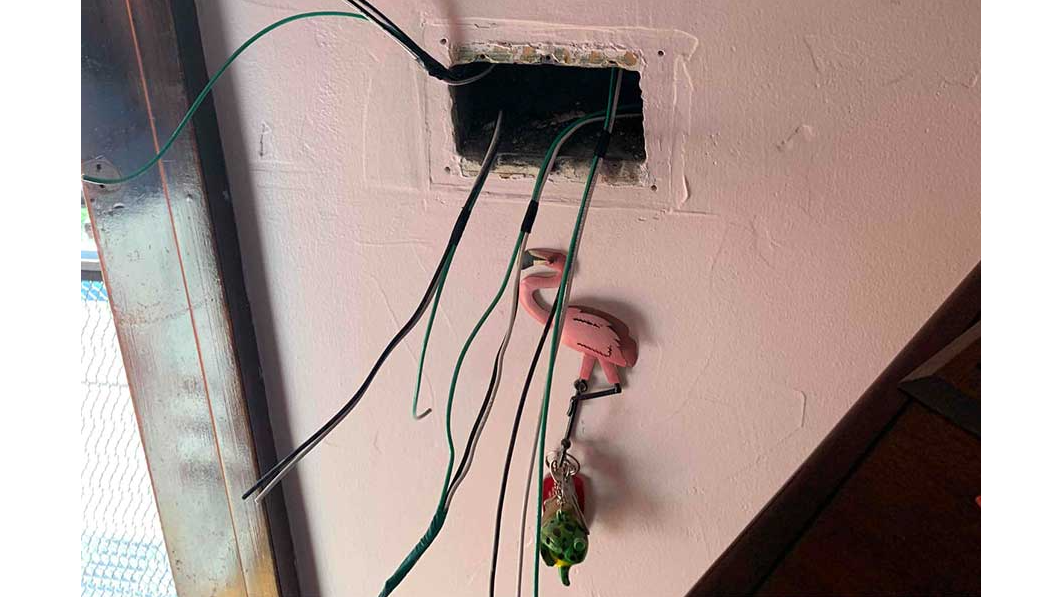
Whole-house rewiring in San Diego typically costs between $7,500 and $20,000, depending on your home's size and complexity. The standard pricing structure ranges from $6 to $10 per square foot, meaning a 1,500-square-foot home might cost $9,000 to $15,000, while a larger 2,500-square-foot property could reach $15,000 to $20,000.
A real-world example demonstrates these figures in action: a 1,400 square foot ranch home required $18,950 for complete rewiring, with the project finishing three days ahead of schedule. This case study reflects how factors like home age, existing electrical infrastructure, and specific upgrade requirements influence final costs.
Several variables push costs toward the higher end of the spectrum, including service panel upgrades, permit requirements, and the complexity of accessing existing wiring.
Recognizing the warning signs of outdated wiring can prevent dangerous electrical fires and costly emergency repairs. These indicators often develop gradually, making them easy to overlook until they become serious safety hazards.
Lights that flicker when appliances turn on or circuit breakers that trip repeatedly signal overloaded or deteriorating wiring. This happens when electrical demand exceeds your system's capacity, forcing circuits to shut down as a protective measure. Modern homes require significantly more electrical capacity than older systems were designed to handle.
Burning smells near outlets or switches indicate dangerous arcing or overheating wires. Warm or hot outlet covers represent serious fire hazards that require immediate attention. Discoloration around outlets and switches also signals heat damage from faulty connections or overloaded circuits.
Homes with two-prong outlets lack proper grounding, creating shock and fire risks with modern appliances. Fuse boxes represent obsolete technology that cannot safely handle contemporary electrical loads. These systems were designed decades ago when homes used far fewer electrical devices.
Understanding cost factors helps homeowners budget accurately and make informed decisions about their electrical upgrades. These elements work together to create your project's final price tag.
Larger homes require more wire, outlets, switches, and labor hours, directly impacting costs. Complex layouts with multiple stories, additions, or unusual architectural features increase installation difficulty and time requirements. Ranch-style homes typically cost less to rewire than multi-story houses due to easier wire access.
Upgrading to a 200-amp service panel typically costs $3,500 to $8,000 as a standalone project, but when combined with whole-house rewiring, the additional cost ranges from $1,500 to $3,000. Older 60-amp or 100-amp panels cannot support today's electrical loads safely. This upgrade often pays for itself through improved safety and increased home value.
San Diego requires permits for all major electrical work, including whole-house rewiring, adding $200 to $1,000 to project costs. Current electrical codes mandate Arc-Fault Circuit Interrupters (AFCI) and tamper-resistant receptacles in residential areas. The National Electrical Code updates every three years, with established requirements including the '6-12 Rule' for outlet spacing that has been standard since 1959.
Professional rewiring delivers both immediate safety benefits and long-term financial returns through increased property value and reduced insurance risks.
Whole-house rewiring significantly reduces fire risks by eliminating outdated or faulty wiring. US fire departments respond to approximately 47,000 electrical home fires annually. Modern wiring includes proper grounding, GFCI protection in wet areas, and arc-fault circuit breakers that detect dangerous electrical arcs. These safety features can lower homeowner's insurance premiums while protecting families from electrical hazards.
Updated electrical systems support modern smart home devices, high-definition electronics, and electric vehicle charging stations that older infrastructure can't handle safely. This future-proofing ensures homes remain compatible with emerging technologies while improving energy efficiency. Smart device integration often requires dedicated circuits and higher electrical capacity than vintage wiring provides.
Complete rewiring services include far more than simple wire replacement, addressing every aspect of your home's electrical infrastructure.
Professional rewiring involves replacing all existing wiring with modern copper conductors rated for current electrical demands. Electricians design structured layouts that optimize circuit distribution while minimizing wire runs for efficiency. This includes installing new outlets, switches, and junction boxes positioned according to current electrical codes and homeowner preferences.
Modern rewiring includes complete grounding systems that protect against electrical shock and equipment damage. Whole-house surge protection shields expensive electronics from power surges caused by lightning or utility company switching. These protective measures weren't standard in older homes but are required for contemporary electrical safety.
The cost of whole-house rewiring shifts considerably depending on home size, required upgrades, and local code compliance, which is why a professional assessment is the most reliable starting point for accurate budgeting. According to the experts at Point Loma Home Pros in San Diego, a thorough on-site evaluation is the only way to account for variables like panel condition, permit requirements, and access complexity. A detailed quote that covers all of those factors will give homeowners a clearer picture of both the investment and the return.


