Homes built in San Diego between 1965 and the mid-1970s often contain aluminum wiring — a material 55 times more likely to cause fire hazards than copper. Rewiring costs, warning signs, and what homeowners need to know.
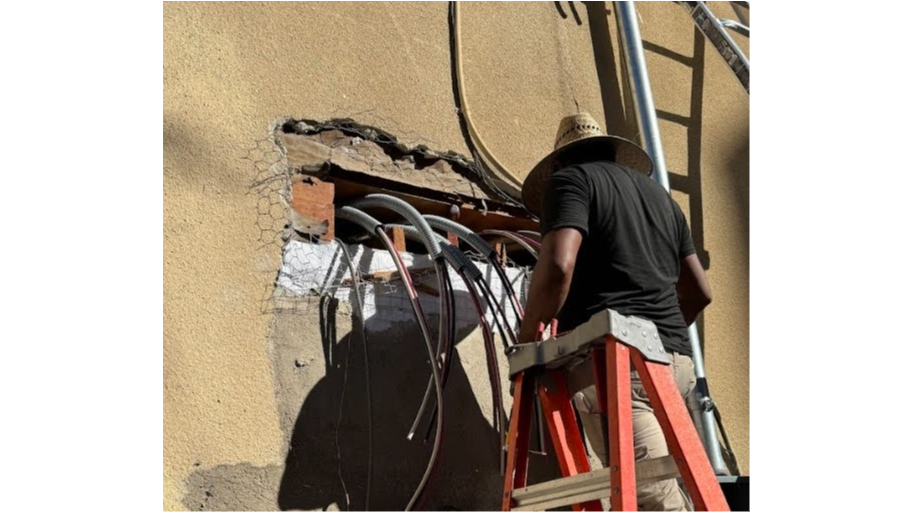
Many San Diego homeowners living in older properties face a hidden safety concern lurking behind their walls. Homes built between 1965 and the mid-1970s have a significant chance of containing aluminum branch-circuit wiring — a once-popular alternative to copper that now represents one of the most serious electrical hazards in residential properties. According to the San Diego experts from Point Loma Home Pros, identifying and addressing this issue early is key to protecting both the home and the people in it.
The statistics surrounding aluminum wiring are sobering. The U.S. Consumer Product Safety Commission (CPSC) research reveals that homes built before 1972 with aluminum wiring are 55 times more likely to have one or more outlet connections reach "fire hazard conditions" compared to homes wired with copper. This dramatic difference stems from aluminum's problematic physical properties that become dangerous over time.
Aluminum wiring became popular during the mid-1960s through the early 1970s when copper shortages and rising prices pushed builders toward this seemingly cost-effective alternative. However, aluminum expands and contracts significantly more than copper as it heats and cools during everyday electrical use. This repeated thermal cycling gradually loosens connections at outlets, switches, and junction boxes throughout the home.
Loose connections create increased electrical resistance, which generates heat. This heat buildup can eventually reach temperatures sufficient to ignite surrounding materials, making aluminum wiring a ticking time bomb in many older homes.
Needless to say, it's a problem that needs to be remedied - and here's how much it might cost you.
The investment required to replace aluminum wiring with copper varies significantly based on several key factors. Understanding these cost drivers helps homeowners budget realistically and make informed decisions about this safety upgrade.
Larger homes naturally require more materials and labor time, but the relationship isn't always linear. A typical rewiring project costs approximately $2-$6 per square foot in California, meaning a 2,000-square-foot home might range from $8,000-$15,000 in basic rewiring costs. However, this baseline can increase substantially based on complexity factors.
The number of electrical circuits, outlets, switches, and fixtures directly impacts the final price. Homes with numerous rooms, multiple electrical panels, or extensive lighting systems require more extensive work. Kitchen and bathroom circuits, which typically carry heavier electrical loads, may need upgraded amperage capacity during the rewiring process.
San Diego's diverse housing stock includes many homes with challenging layouts that can significantly increase rewiring costs. Properties with finished basements, slab foundations, or restricted attic access often require additional wall and ceiling openings to reach existing wiring runs.
Multi-story homes present particular challenges, as electricians must route new copper wiring between floors while minimizing damage to finished surfaces. Historic homes may have unique construction methods or preservation requirements that add complexity and specialized labor costs to the project.
Many homes with aluminum wiring also have outdated electrical panels that don't meet current safety standards or capacity requirements. A standard 100-amp to 200-amp panel upgrade typically costs $2,000-$10,000+ in California, with most falling around $3,000 for straightforward installations.
Modern homes demand significantly more electrical capacity than homes built in the 1960s and 1970s. Today's families rely on central air conditioning, multiple large appliances, home offices with computer equipment, and electric vehicle charging stations, all requiring robust electrical infrastructure that older panels can't safely support.
Recognizing aluminum wiring before it becomes a safety hazard can save lives and property. Homeowners can perform basic visual inspections to determine if their electrical system contains this problematic material.
Aluminum wiring is typically labeled "AL," "ALUMINUM," or "ALUM" on cable jackets visible in basements, attics, or inside the electrical panel. The wire itself appears silver or dull gray when freshly cut, contrasting sharply with copper's distinctive reddish-orange color.
Check the electrical panel carefully without touching any exposed conductors. Look for wire markings on the cable sheaths entering the panel box. If you're unsure about what you're seeing, a licensed electrician can safely confirm your wiring type during a professional inspection.
Several warning signs indicate that aluminum wiring may already be creating dangerous conditions in your home. Flickering lights that aren't caused by loose bulbs or dimmer switches often signal connection problems. Warm or hot outlet covers, switch plates, or electrical panel surfaces suggest excessive resistance and heat buildup.
Outlets or switches that produce buzzing sounds, emit burning plastic odors, or show scorch marks around the openings require immediate professional attention. Frequently tripped circuit breakers, especially when using normal electrical loads, may indicate deteriorating aluminum connections creating dangerous resistance levels.
Switching from aluminum to copper wiring delivers advantages that go far beyond fire prevention, offering long-term value across multiple aspects of homeownership.
Copper's superior physical properties eliminate the primary hazards associated with aluminum wiring. Copper expands and contracts minimally with temperature changes, helping electrical connections remain tight and stable over decades of use. Unlike aluminum, copper resists oxidation, maintaining consistent conductivity throughout its lifespan.
The CPSC specifically approves complete replacement with copper wiring as a permanent solution for aluminum wiring hazards. This upgrade essentially eliminates the 55-fold increase in fire risk that aluminum systems present, providing genuine peace of mind for homeowners and their families.
Home insurance companies increasingly view aluminum wiring as a high-risk factor, leading to higher premiums or outright coverage denials. Many insurers require expensive aluminum wiring remediation before providing standard homeowners policies, while others impose significant surcharges or reduced coverage limits.
Copper wiring upgrades typically qualify for insurance discounts and open access to better policy options. Over time, these premium savings can help offset the initial rewiring investment while providing superior coverage protection.
Copper conducts electricity more efficiently than aluminum, supporting stable power delivery even under heavy electrical loads. Modern homes demand substantial electrical capacity for central air conditioning, kitchen appliances, home electronics, and electric vehicle charging systems.
After copper upgrades, homeowners typically experience fewer power quality issues like voltage drops, flickering lights, or nuisance breaker trips. The improved electrical performance supports today's technology-dependent lifestyle while providing capacity for future electrical needs.
Real estate professionals report that aluminum wiring can reduce home values by $2,000-$5,000 or more, as buyers often demand price reductions or seller-paid remediation. Home inspections routinely flag aluminum wiring as a significant concern, potentially stalling sales or negotiations.
Copper wiring throughout is a positive selling point, demonstrating that the home has been properly maintained and updated to modern safety standards. This upgrade often pays for itself through increased market value and faster sale times.
Beyond financial benefits, copper wiring provides invaluable peace of mind for homeowners concerned about their family's safety. Knowing that a major fire hazard has been permanently eliminated allows families to feel truly secure in their homes.
This emotional benefit often becomes the most appreciated aspect of the upgrade, as homeowners no longer worry about hidden electrical dangers threatening their property and loved ones.
Understanding the rewiring process helps homeowners prepare for the temporary disruptions while ensuring the work progresses smoothly toward completion.
Most aluminum-to-copper rewiring projects require 3-10 days for average-sized homes, depending on square footage, circuit complexity, and accessibility challenges. Larger homes or properties with difficult layouts may extend to two weeks or more.
Professional electricians typically work room by room, shutting off power to specific areas during active work periods. Many contractors restore power each evening when possible, minimizing daily disruptions to families remaining in their homes during the project.
Rewiring projects require electrical permits and multiple inspections to ensure compliance with current safety codes. Licensed electricians handle the permitting process before starting work, scheduling required inspections at appropriate project milestones.
Inspections typically occur before walls are closed up and after project completion, with the final inspection confirming that all work meets local electrical codes. These inspections provide independent verification that the rewiring was completed safely and correctly.
Look for contractors who understand the unique challenges that older homes present. The right team will specialize in safely upgrading aluminum wiring systems while minimizing disruption to homeowners' daily lives.
Any thorough approach should include detailed electrical system assessments, proper permitting and inspections, and high-quality installations designed to last for decades. Prioritize a safety-first methodology that ensures every rewiring project meets or exceeds current electrical codes while protecting families from aluminum wiring hazards.
Ultimately, addressing aluminum wiring isn't just about compliance — it's about long-term peace of mind. With the right licensed contractor, the process is manageable, well-documented, and built to last for decades.


