Thinking about installing an EV charger at your San Diego home? That $1,500 quote might be just the beginning. Many homeowners discover their actual costs might exceed $3,500… and apartment dwellers face even steeper challenges that could derail EV ownership entirely.
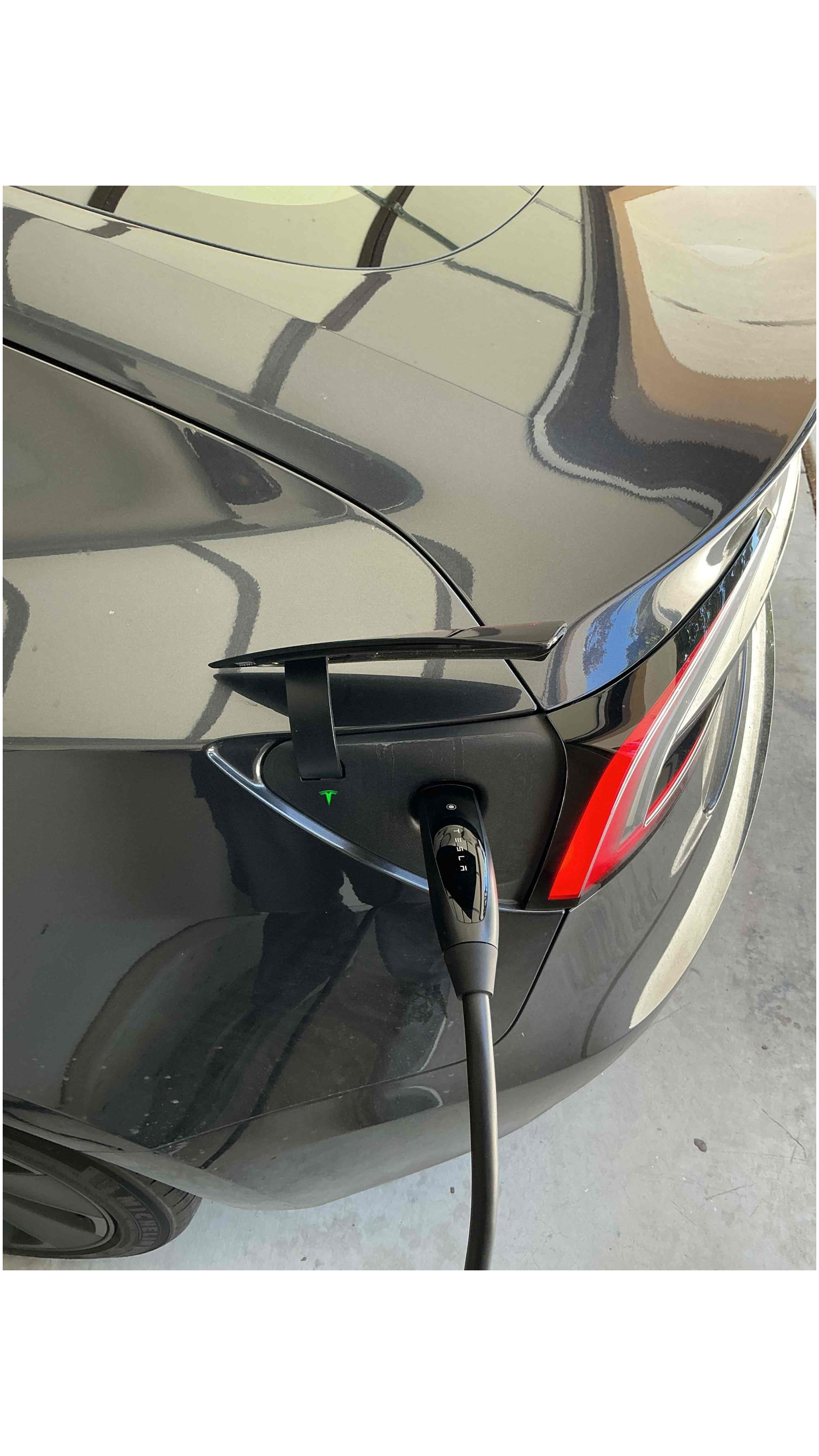
Electric vehicle adoption is surging across San Diego County, with drivers logging substantial EV miles daily; well above national averages. Yet beneath this success story lies a complex selection of infrastructure challenges that many prospective EV owners discover only after making the purchase decision. And in such matters, advance knowledge can make all the difference.
San Diego ranks among the top metropolitan areas for electric vehicle adoption in the United States, following the San Francisco Bay Area and Seattle. The region's strong EV usage reflects consumer enthusiasm, supported by California's mandate requiring 100% of new car sales to be zero-emission vehicles by 2035. EVs currently represent approximately 21% of California's new car market share.
This rapid adoption, however, masks significant infrastructure hurdles. While California initially projected needing 250,000 charging stations by 2025, the California Energy Commission now estimates requiring 2.11 million public and shared private charging stations by 2035 (including 83,000 fast chargers) to support an anticipated 15.2 million plug-in vehicles.
The advertised $1,500 to $1,600 cost for Level 2 EV charger installation tells only part of the story. Industry reports and contractor experiences indicate that total project costs can exceed $3,500, primarily due to underlying electrical system deficiencies in older homes.
Level 2 home chargers require a dedicated 240-volt circuit with an appropriately sized breaker (typically 50-70 amp, depending on the charger's specific amperage). Many Point Loma homes built before modern electrical codes operate on 100-amp service panels, insufficient for the increased power demands of EV charging alongside typical household electrical loads. Upgrading to a 200-amp service panel adds $2,000 to $4,000 to project costs, not including the charger unit itself.
Installing the necessary 240-volt dedicated circuit often requires running new electrical lines from the panel to the garage or designated charging location. In older Point Loma homes with challenging electrical pathways, this wiring work can add $500 to $1,500 to the total installation cost, depending on distance and complexity.
California's permitting process for EV charging installations can extend beyond national averages. These extended timelines contribute to higher construction costs and project delays. San Diego County's permitting requirements include electrical inspections and compliance verification, adding both time and expense to the installation process.
A significant portion of San Diego residents live in multi-family buildings, where EV charging presents unique obstacles. These residents frequently lack designated parking spaces or authority to install charging equipment. Even when parking is available, shared electrical infrastructure complicates individual charger installations.
California Civil Code Section 4745 protects homeowners' rights to install EV chargers in HOA communities, though associations can impose reasonable restrictions regarding safety, aesthetics, and installation standards. Many HOA boards remain unaware of these legal requirements, creating unnecessary barriers for residents seeking to install home charging equipment.
San Diego Gas & Electric offers specialized EV Time-of-Use pricing plans, including the EV-TOU 5 plan. This rate structure allows overnight charging at just 9¢ per kWh between midnight and 6 a.m. For a typical 72 kWh battery, a complete home charge costs approximately $6.48 during off-peak hours.
Public charging costs vary dramatically by speed and location. Level 2 public stations charge around $0.25 per kWh, bringing a full 72 kWh charge to $18. DC fast charging stations command premium rates of $0.53 per kWh, resulting in $38.16 for a complete battery fill-up. These price differences make home charging economically essential for regular EV users.
Effective January 1, 2026, California building codes now require EV chargers in most new overnight parking spots. New multi-family developments must include at least one "EV Ready" parking space per unit, equipped with a minimum 240-volt, 20-ampere outlet or installed charger. This mandate addresses infrastructure gaps proactively rather than retrofitting existing buildings.
The state's Air Resources Board timeline requires 100% zero-emission vehicle sales by 2035, creating urgency around charging infrastructure development. San Diego County has allocated over $16 million in grants and private partnerships to deploy charging stations in underserved neighborhoods throughout the region.
Professional electrical assessment before EV purchase prevents costly surprises during installation. Experienced contractors can identify potential panel upgrades, circuit requirements, and permitting needs upfront, allowing homeowners to budget accurately for the complete project. Understanding these infrastructure requirements early in the EV shopping process helps buyers make informed decisions about both vehicle selection and home preparation costs.
Proper planning also ensures compliance with local codes and utility requirements, preventing costly rework or safety issues. Professional installations include coordination with SDG&E for potential rebates and time-of-use rate enrollment, maximizing long-term charging cost savings in turn.


