Wondering what typical defects are uncovered in every snagging job? There are a lot, and this article reveals the five most common ones.
A beautifully staged listing can make almost any property look ready to move into. Fresh paint, wide-angle photography, and carefully chosen lighting do a convincing job of presenting a finished product, and for the most part, buyers are happy to take it at face value.
The reality behind the glossy presentation is often more complicated. Newly built properties in Dubai regularly carry defects that are invisible to the untrained eye and expensive to ignore, from hairline cracks in walls to plumbing that has never been properly tested.
The listing, obviously, does not tell the full story.
Snagging refers to the process of systematically inspecting a property for defects before the buyer takes handover. In Dubai, developers are legally required to address defects identified during a one-year defect liability period following handover, which gives buyers a narrow but important window to get problems on record and resolved at the developer’s expense.
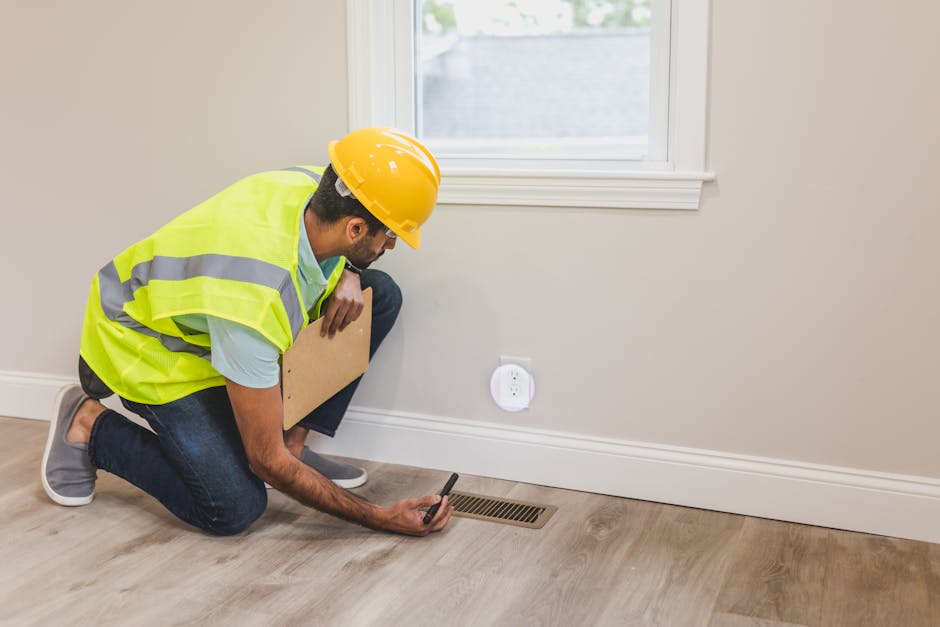
The process involves a detailed walkthrough of the property, typically conducted by an inspector, who documents every defect against a formal snag list. That list then becomes the basis for remediation discussions with the developer.
A snagging inspection is only as reliable as the person conducting it. Walking through a property with a checklist and an eye for obvious damage is not the same as a structured assessment carried out by someone who understands construction standards, building systems, and the specific defects that appear in Dubai’s climate.
A qualified engineer brings the technical knowledge to identify issues that are not immediately visible, including problems behind walls, above ceilings, and within mechanical systems. They also produce documentation that carries weight in formal conversations with developers.
There is an obvious conflict of interest when the party responsible for building a property is also the one signing off on its condition. Developer-affiliated inspections are not inherently dishonest, but they are structurally compromised, and buyers who rely on them are taking on a risk they may not fully appreciate.
An independent inspector has no commercial relationship with the developer, no incentive to minimise findings, and no reason to present the property in a more favourable light than the evidence supports.
Accepting handover without a snagging inspection is one of the more expensive assumptions a buyer in Dubai can make. Defects that fall within the liability period are the developer’s responsibility to fix; those discovered after that window closes become yours.
Requesting an independent snagging service before handover is not a sign of distrust. It is standard practice for buyers who understand what the process is designed to protect, and it is considerably cheaper than the alternative.


