Dubai’s booming off-plan market has made property snagging inspections increasingly important for homebuyers preparing for handover. Understanding what to inspect before signing can help prevent expensive post-handover repairs and disputes.
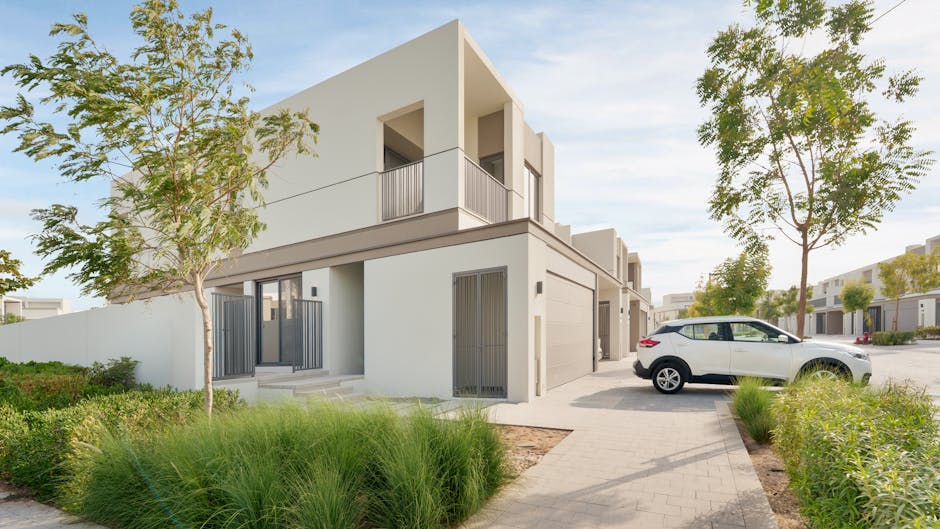
Dubai’s fast-moving real estate market has made pre-handover property snagging an increasingly important step for buyers receiving newly completed homes. With thousands of off-plan units entering the market each year, many buyers are discovering that visual walkthroughs alone may not reveal hidden construction defects or incomplete work before ownership is finalized.
According to Cavendish Maxwell’s Q1 2026 advisory report published via ZAWYA, off-plan properties represented 73% of all residential transactions in Dubai during the first quarter of the year. That volume reflects continued confidence in the city’s development pipeline, but it also means more buyers are approaching handover stages where inspection quality becomes critical.
Dubai-based property snagging specialists GTA Inspectors emphasize that many defects found during handover are not immediately obvious to untrained buyers. Structural movement, insulation gaps, drainage issues, HVAC inefficiencies, and concealed moisture intrusion may only become noticeable weeks or months after occupancy begins, when repairs become more disruptive and costly.
One of the most common misconceptions among homebuyers is that a property that appears visually complete is fully ready for occupancy. Fresh paint, polished flooring, and staged interiors can create the impression that construction standards throughout the property meet expectations.
However, experienced RERA-certified inspectors frequently identify underlying issues that are hidden behind walls, ceilings, flooring systems, and mechanical infrastructure. Air conditioning systems may show poor airflow due to duct leakage, plumbing fixtures can reveal pressure inconsistencies, and improperly sealed waterproofing areas may later result in moisture damage.
Electrical systems are another area where defects can remain undetected during standard walkthroughs. Loose wiring connections, overloaded circuits, or improperly installed fixtures may not become apparent until the property is actively occupied.
Many buyers focus heavily on visible finishes while overlooking technical systems that are more expensive to repair later. Several categories consistently appear in professional snagging reports across newly completed residential units.
Slow drainage, hidden leaks, weak water pressure, and poorly sealed piping systems are among the most common issues identified during inspections. Minor leaks concealed behind cabinetry or wall panels can eventually lead to mold growth and structural deterioration.
Dubai’s climate places continuous demand on air conditioning systems, making HVAC performance one of the most important inspection categories before handover. Cooling inconsistencies, duct leakage, thermostat calibration issues, and blocked vents can significantly affect energy efficiency and indoor comfort.
Bathrooms, kitchens, balconies, and window seals require close examination during snagging inspections. Improper waterproofing may not immediately present visible damage, but long-term exposure can compromise flooring materials, ceilings, and adjacent walls.
Misaligned doors, uneven flooring, cracks near structural joints, and poorly installed window frames may indicate larger workmanship concerns. Even relatively small alignment defects can create insulation gaps or water intrusion points over time.
Modern snagging inspections increasingly rely on infrared thermal imaging to detect concealed issues invisible to the naked eye. Thermal scans allow inspectors to identify temperature variations within walls, ceilings, and flooring systems that may indicate electrical irregularities, moisture intrusion, or insulation gaps.
This technology has become especially valuable in large residential developments where hidden construction defects may remain unnoticed during visual inspections. Thermal imaging also allows inspectors to evaluate HVAC efficiency and airflow distribution more accurately.
Detailed reporting further strengthens the inspection process. Professionally prepared snagging reports typically include photographs, defect classifications, location references, and supporting notes that buyers can present directly to developers when requesting rectification work.
The period immediately before handover gives buyers the strongest opportunity to document defects and request corrections before responsibility shifts further toward the property owner. Waiting until after occupancy increases the likelihood that issues may worsen or become more difficult to resolve through the developer.
Many buyers also schedule inspections again during the 11th month of occupancy, before the developer’s defect liability period expires. This second assessment can help identify issues that only become noticeable after several months of real-world use, including settlement cracks, drainage failures, HVAC inefficiencies, and moisture-related problems.
Dubai’s continued real estate growth means more buyers are entering the handover stages with increasingly complex residential properties. While visual walkthroughs remain part of the process, they rarely provide the technical depth needed to identify hidden defects across structural, electrical, plumbing, and HVAC systems.
A structured inspection by a RERA-certified property snagging service provider gives buyers a clearer picture of the property's true condition before final acceptance. In a market where off-plan developments continue to dominate transaction activity, thorough pre-handover inspections are becoming less of an optional precaution and more of a practical safeguard against costly post-handover surprises.


