You’ve probably entered a BSB number dozens of times, but one wrong digit could send your payment to the wrong account, and getting it back is harder than you think. Here’s what those six digits actually mean and why verification matters more than most realise.
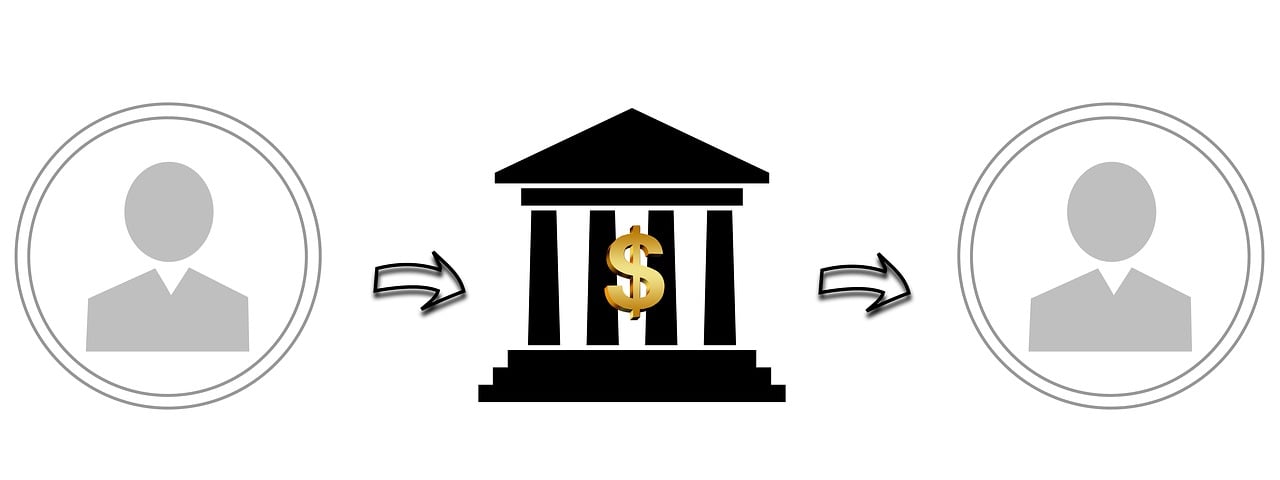
Behind every domestic bank transfer in Australia is a six-digit code doing the heavy lifting. The BSB — short for Bank State Branch — is a mandatory identifier assigned to every bank branch in the country. Without it, the payments network cannot route your money to the right place.
What most people don't realise is that those six digits aren't random. They follow a consistent, logical structure that has been part of the Australian banking system for decades. The Australian Payments Network (AusPayNet) is the regulatory body responsible for assigning these codes and setting the rules around their use — so the system is tightly managed.
BSB numbers are sometimes written with a hyphen after the third digit (for example, 063-000), but this is purely cosmetic. The code is always six digits total, and both formats — with or without the hyphen — refer to exactly the same branch. Understanding the structure behind that number is the first step to using it with confidence.
The six digits in a BSB break into three distinct groups, each identifying something more specific than the last. Think of it like a postal address working from the broadest level down to the precise location.
The first two digits identify the financial institution — the bank itself. For example, Commonwealth Bank branches carry the prefix 06, while Westpac branches typically begin with 03. This two-digit code is the foundation of every BSB: it tells the payments network which banking group holds the account before any further routing happens.
The third digit narrows things down to the state or territory where the branch is registered. The mapping is consistent across all institutions:
One important caveat: some banks use non-geographic BSBs for centralised processing centres. In those cases, the state digit may not reflect the physical location of your branch — so the digit points to the registered state for routing purposes, not necessarily where you walk in the door.
The final three digits identify the exact branch within that bank and state combination. So, taking the full example of 063-000: Commonwealth Bank (06), Victoria (3), at branch code 000. These last three digits are what distinguish one branch from another within the same institution and state. Get these wrong, and the payment may still be accepted — but directed somewhere you didn't intend.
The Australian banking system uses several different codes depending on what type of transfer is being made. Confusing them is one of the most common reasons payments fail or go missing.
A BSB and an account number are two separate pieces of information that perform two different jobs. The BSB identifies the bank and branch; the account number identifies the specific account held at that branch. Neither is useful without the other.
When making any domestic payment — whether through online banking, payroll, or a direct debit setup — both codes are required. The BSB always comes first, followed by the account number. Mixing up the order, or entering one in the wrong field, is a surprisingly common mistake that can cause payments to be rejected or sent to the wrong place entirely.
Australia does not use the IBAN system common in Europe, nor the routing number system used in the United States. The BSB is Australia's domestic equivalent, functioning within the Australian payments network only.
For money moving across borders, a BSB alone won't do the job. International transfers use the SWIFT code (also called a BIC — Bank Identifier Code), which operates on a global network rather than the domestic Australian one.
For an incoming international transfer, recipients typically need to supply three things: a SWIFT code (to route the payment globally to the right bank), a BSB (to direct it to the correct Australian branch), and an account number. The SWIFT code handles the international leg; the BSB and account number handle the domestic leg from there. Taxrates.info also maintains a SWIFT code directory for major Australian banks for anyone working through this process.
A BSB error might feel like a minor typo — but the consequences can be anything but minor.
If a BSB is entered that does not exist, most banking systems will reject the payment before it processes. That's the best-case outcome. The more problematic scenario is when the BSB is valid — but belongs to a different branch. In that case, the payment may go through and land in the wrong account entirely.
Recovering a misdirected payment requires both banks to cooperate, which can take days. Under the ePayments Code, administered by ASIC, banks are required to investigate mistaken internet payments — but success depends heavily on how quickly the error is reported, and whether the unintended recipient has already accessed the funds. The Australian Financial Complaints Authority (AFCA) can step in if a bank is uncooperative, but reaching that stage is time-consuming and stressful. For businesses processing high volumes of payments, even a single misdirected transaction can create significant administrative headaches.
The simpler, faster fix is verification before sending — not recovery after.
BSB numbers are not permanent. When banks merge or close branches, the associated BSBs are typically redirected to a centralised processing BSB — but the old code may linger in saved payment records, contact details, or spreadsheets for years.
Australia's banking sector has seen notable consolidation over recent decades, with regional and community branches among those most affected by closures and restructuring. A BSB that worked perfectly last year may point somewhere unexpected today — or may no longer be active at all. This is especially relevant for small businesses that pay suppliers or contractors on an infrequent basis and may have banking details on file that haven't been reviewed in some time.
There's rarely a reason to guess at a BSB. Several reliable options are available, and the right one depends on what information is already at hand.
The fastest method for most people. Log into the bank's online portal or mobile app, go to account details, and the BSB is displayed alongside the account number on the account summary screen. Most apps also allow the BSB to be copied directly — reducing the chance of a manual entry error.
BSB numbers appear in the account details section at the top of most bank statements, both paper and digital. Some institutions also print the BSB on the face of debit cards, though this varies by bank. A recent statement is a reliable source, though it's worth confirming the BSB is still current if the statement is older.
Branch staff or phone banking can confirm a BSB, particularly if there's any uncertainty around a recent merger or branch closure. For urgent or high-value payments where the stakes of an error are high, a direct call to the bank is the most reliable fallback.
For verifying a BSB provided by someone else — such as a supplier, employer, or contractor — an independent lookup tool is the most practical option. Entering the BSB and confirming the bank and branch details match what's expected takes seconds, and doesn't require logging into any banking system. This is particularly useful for businesses that receive new payee details regularly and want a quick validation step built into their process.
Taxrates.info — an independent financial reference platform that has been providing plain-English tax and financial information to Australian individuals and small businesses since 2011 — has added a BSB Lookup tool to its growing suite of practical financial tools. It sits alongside existing resources like exchange rates, SWIFT codes, and CPI data, extending the platform's reach into everyday banking utilities.
The tool offers two search modes, designed to cover the most common real-world scenarios:
Both modes are free to use and require no account or login.
The tool draws on bank code data from Australia's established banking network, updated regularly to reflect branch changes, mergers, and closures. For anyone managing payment details across multiple payees — or simply wanting to double-check a BSB before a one-off transfer — having access to current, verified data in one place removes a significant point of friction from the process.
The BSB search tool also sits within a broader educational guide on the page that explains the six-digit format, outlines the differences between BSBs, account numbers, and SWIFT codes, and addresses common questions about what happens when a BSB is wrong. The goal is practical clarity: not just a lookup tool, but the context needed to use it with confidence.
The six digits in a BSB might look unremarkable, but each one is doing a specific job — routing funds from the payments network to the right bank, state, and branch. Getting even one digit wrong can send money in the wrong direction, and recovering it is neither quick nor guaranteed.
The good habits are straightforward: always verify a BSB before adding a new payee, re-check stored details for any payee you haven't paid in a while, and use an independent lookup when a BSB has been supplied by someone else rather than sourced directly from a bank. For businesses, building that verification step into the payment process is one of the simplest fraud and error prevention measures available.
BSB numbers are not going away. Despite the rise of PayID and the New Payments Platform, BSBs remain the backbone of domestic banking in Australia — relied upon by payroll systems, businesses, and financial institutions for the vast majority of transactions. Understanding what those six digits mean, where to find them, and how to verify them is practical knowledge with real financial consequences.
For Australian tax rates, financial calculators, and banking tools presented in plain English, Taxrates.info continues to build out the kind of practical resources that individuals and small businesses actually need.


