Think incline walking on your home treadmill is just cardio? EMG research reveals that adjusting your incline to specific percentages can trigger up to 635% increases in muscle activation – but most people are using the wrong settings to maximize results.
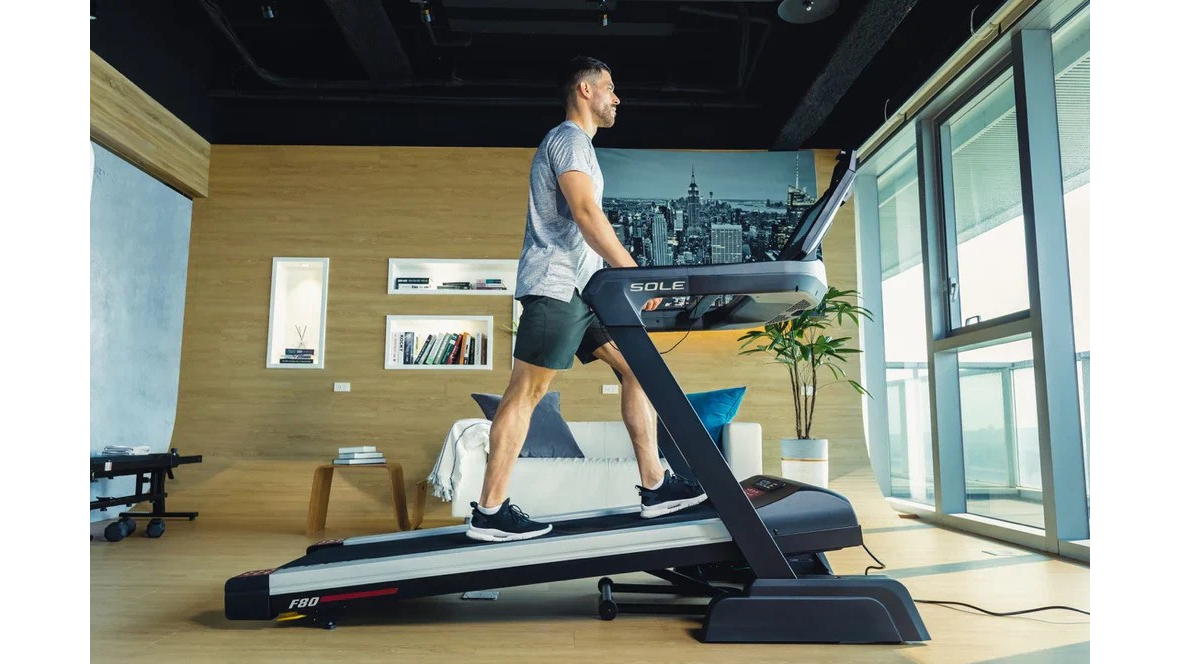
The simple act of adjusting an incline setting fundamentally alters how muscles fire during walking. When the treadmill deck tilts upward, the body's movement patterns shift dramatically, requiring different muscle groups to activate at varying intensities. This biomechanical transformation turns ordinary walking into a targeted strength-building exercise that specifically challenges the posterior chain muscles.
Research using electromyography (EMG) technology has mapped these muscle activation changes with remarkable precision. Scientists have discovered that even modest incline increases trigger significant physiological adaptations, forcing muscles to work harder and recruit additional motor units. The data reveals patterns that fitness enthusiasts can use for more effective home workouts.
Understanding these muscle recruitment patterns empowers home exercisers to optimize their training sessions. Proper incline progression maximizes these muscle activation benefits while maintaining workout sustainability and joint health.
Research indicates that hamstring muscles, particularly the biceps femoris, demonstrate the most dramatic activation increases during incline walking. EMG studies show that hamstring activation can surge by up to 635% above baseline flat walking measurements at steep inclines. This massive increase occurs because the hamstrings must work exponentially harder to drive hip extension against gravity's increased resistance.
The activation curve isn't linear - hamstring engagement increases progressively as incline percentages climb. This represents a biomechanical shift where the body relies more heavily on active muscle contraction for forward propulsion rather than momentum.
The gluteus maximus shows substantial activation increases during incline walking, with EMG readings reaching 345% above flat walking levels. The glutes work in concert with the hamstrings to control hip extension and provide stability during the stance phase of each step.
Steeper gradients force the glutes to maintain tension for longer durations during each stride. This extended activation period contributes to the enhanced muscle-building potential of incline walking, as muscles experience both increased intensity and longer time under tension.
The gastrocnemius and soleus muscles demonstrate remarkable activation increases during inclined movement. EMG data shows medial gastrocnemius muscle activity can surge by 175% above flat walking levels, while the soleus increases by 136% at steep inclines.
This dramatic increase occurs because the calves must work harder to push off against the elevated surface while simultaneously stabilizing the ankle joint. The combination creates a powerful muscle-building stimulus that flat walking cannot match.
The posterior chain muscles dominate incline walking movement patterns. These muscles - primarily the glutes, hamstrings, and calves - form the body's primary power generation system during uphill movement. EMG analysis reveals coordinated activation patterns between these muscle groups.
The glute-hamstring complex works together to drive hip extension, while the lower back muscles provide spinal stability. This coordinated effort results in functional strength gains that translate to improved performance in daily activities and other exercises.
While posterior chain muscles show the highest activation increases, quadriceps muscles also adapt to incline challenges. The vastus medialis shows increased activation reaching 366% above baseline, while other quadriceps muscles demonstrate varying degrees of increased engagement as inclines steepen.
Quadriceps muscles are primarily knee extensors and resist knee flexion eccentrically during weight acceptance, providing stability during the stance phase. This creates balanced lower body development that supports joint health and movement quality.
Incline walking places greater demands on core stabilization muscles. The abdominal and lower back muscles must work harder to maintain proper posture and prevent forward lean during uphill movement. This increased core engagement turns incline walking into a workout that extends beyond just the legs.
The stabilization requirement increases progressively with steeper inclines, creating adaptations that improve overall functional strength and movement quality in daily activities.
Beginning incline walkers should start within the 2-5% range to allow proper adaptation without overwhelming the musculoskeletal system. This range provides noticeable muscle activation increases while maintaining comfortable workout durations. The glutes begin showing measurable activation increases at these modest grades.
This beginner zone allows for proper movement pattern development and gradual strength building. Beginners should start with shorter durations and gradually increase to 30 minutes as they become more accustomed to incline walking.
The 6-10% incline range represents an effective zone for significant glute activation without excessive fatigue. This range triggers substantial muscle activation increases across multiple muscle groups. Most fit individuals can sustain these inclines for 20-30 minutes while experiencing substantial muscle-building stimulus.
This intermediate range provides excellent training benefits for individuals seeking to strengthen their posterior chain while improving cardiovascular fitness. The muscle activation gains justify the increased effort required.
Inclines between 10-15% deliver maximum muscle activation benefits, particularly for posterior chain development. These steep grades challenge even well-trained individuals and typically require shorter workout durations or interval training approaches. However, proper form becomes increasingly important at these steeper angles to maintain joint health.
Advanced exercisers can use these steep inclines strategically for high-intensity interval training or specific muscle-building sessions. The activation levels achieved make the intense effort worthwhile.
Incline walking delivers high-intensity muscle activation while maintaining low joint impact characteristics. Unlike running, which generates higher impact forces with each step, incline walking maintains the gentler impact characteristics of walking while providing increased muscle activation.
This reduced impact makes incline walking suitable for individuals with joint concerns, those recovering from injuries, or anyone seeking intense workouts without joint stress. The muscle activation benefits rival those of high-impact activities while preserving joint health.
Research demonstrates that incline walking can elevate heart rate to levels comparable with running while maintaining the joint-friendly characteristics of walking. One 2013 study showed that increasing treadmill incline from 2% to 7% led to nearly a 10% increase in heart rate during exercise.
This cardiovascular challenge, combined with dramatic muscle activation increases, creates an exercise modality that delivers fitness benefits without the joint stress associated with high-impact activities.
Creating an effective home incline walking setup requires equipment that can deliver consistent, adjustable incline settings while providing the stability and comfort needed for longer workout sessions. Modern treadmills incorporate cushioning systems that reduce joint impact by 10-33% compared to outdoor surfaces while maintaining the muscle activation benefits of inclined walking.
The key features for maximizing muscle activation include precise incline adjustments ranging from 0-15%, powerful motors that maintain consistent belt speed under load, and workout programs that guide users through progressive incline challenges. Cushioning technology enhances comfort during longer sessions while supporting effective workouts.
Quality home treadmills also incorporate safety features like emergency stops and stable handrails that allow users to focus on proper form and gradual progression. These features become particularly important as users advance to steeper inclines where balance and stability become more challenging.


