While traditional SEO takes 6-12 months to show results, AI search engines like ChatGPT and Perplexity work on dramatically different timescales. Your first citations could appear faster than you think—but only if you understand how AI engines actually evaluate and select sources.
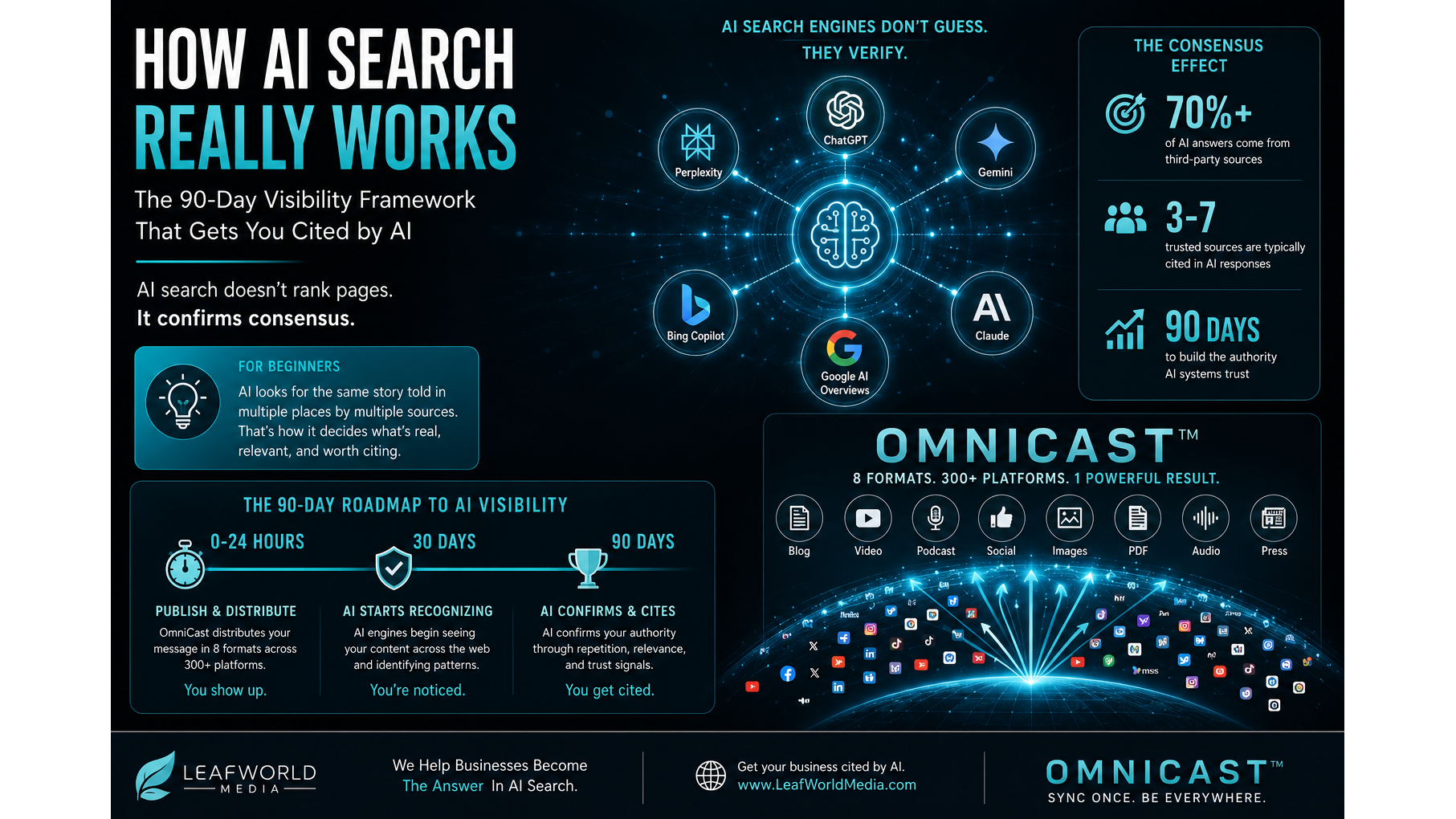
The race for AI search visibility has fundamentally changed how businesses think about digital marketing timelines. Unlike traditional SEO that can take 6-12 months to show meaningful results, AI search engines like ChatGPT, Perplexity, and Google AI Overviews operate on dramatically different timescales for citations and authority recognition.
AI citations are references that generative search engines include in their responses to attribute information to its source. Unlike traditional search rankings that focus on full webpage visibility, AI search involves generative engines selecting and scoring specific "chunks" of content based on meaning, relevance, and trust signals.
The goal shifts from ranking high in search results to being selected and cited as a source within the AI's generated answer. For Retrieval-Augmented Generation (RAG)-based AI systems, which include platforms like Perplexity, Google AI Overviews, and ChatGPT with web search, initial citations can materialize remarkably quickly. Research shows that initial AI citation improvements can typically be observed within 4-8 weeks after implementing structural content changes and schema markup.
Platforms like Perplexity often show the fastest response times due to their recency bias, making them ideal testing grounds for new optimization strategies. The key difference lies in how AI engines evaluate content authority compared to traditional search algorithms.
During the first two weeks, AI engines start recognizing optimized content as potential source material. These early citations often appear as indirect mentions or secondary references within longer AI responses. The citations may be inconsistent and vary significantly between different AI platforms, but they signal that your content has entered the consideration set.
This phase requires patience, as the citations might not be for your primary target queries yet. Instead, AI engines often discover content through related or long-tail questions where competition is lower.
By the end of the first month, consistent and meaningful citations across category queries become achievable. However, this consistency refers to citation frequency rather than citation stability. Your brand begins appearing regularly in AI responses, though not necessarily for the same queries or in the same position each time.
During this phase, AI engines are building their "entity record" for your business—a mental model of who you are, what you do, and why you're credible. Consistent brand signals across various digital touchpoints become vital for strengthening this record.
The second and third months focus on authority building. AI engines begin recommending your brand unprompted for your core topics, moving beyond reactive citations to proactive recommendations. This phase represents a significant milestone where your content transitions from being occasionally useful to being recognized as authoritative.
Cross-platform consistency becomes critical during this period. Every variation in how your business is described weakens the authority signal, while consistent repetition across platforms strengthens your entity record.
Between months four and six, businesses can establish themselves as the default answer for their target queries. This represents the point where competitors struggle to displace your citations, and AI engines consistently prefer your content as a primary source.
During this phase, the compound effect of consistent optimization efforts creates a defensible position in AI search results. Your brand becomes the go-to reference that AI engines trust and cite regularly.
AI citation sets exhibit remarkably high turnover rates that vary by platform. Research indicates that Google AI Mode replaces approximately 56% of cited domains weekly, while ChatGPT replaces as much as 74% of sources. This volatility stems from how AI engines continuously update their knowledge bases and adjust their source preferences based on freshness, relevance, and emerging authority signals.
This turnover rate means that maintaining AI visibility requires ongoing effort rather than set-and-forget optimization. Brands must consistently reinforce their authority signals and content quality to maintain citation frequency.
Approximately 18% of cited sources maintain consistent citations over a 6-month period. These surviving sources share three key characteristics: they are regularly refreshed with updated information, they provide uniquely detailed coverage of their topics, and they are corroborated by multiple credible external sources.
The surviving sources typically represent established authorities in their fields who have built extensive cross-platform presence and maintain active content creation schedules. They've created what industry experts call "citation momentum"—a self-reinforcing cycle where citations lead to more citations.
AI engines don't recommend generalists—they recommend specialists. Instead of targeting broad topics like "digital marketing agency," focus on specific expertise such as "agency that gets brands cited by ChatGPT." The more narrowly you define your expertise, the faster AI engines categorize you as the authority for that specific answer.
This specialization strategy allows you to dominate specific query types rather than competing in oversaturated broad categories.
There's a fundamental difference between Google search fragments and ChatGPT questions. While Google users type "AEO agency," ChatGPT users ask "What is the best agency to help my business show up in AI search results?" Your content needs to answer the complete question format, not just target keyword fragments.
This approach aligns your content with natural language processing patterns that AI engines use to understand and categorize information.
AI engines prioritize a hierarchy of trusted sources, with established news outlets and authoritative third-party platforms being highly valued for citations. High-priority sources include AP News, USA Today, Business Insider, Forbes, and Reuters. Mid-tier sources include Spotify podcasts, YouTube videos, Medium articles, and Google News approved sites. Your own website typically needs to build authority initially.
Getting cited on a single AP News article can be more valuable than 50 blog posts on your own site for AI authority building. This hierarchy explains why strategic public relations and content distribution matter more than ever in AI search optimization.
Your business description must be identical across all platforms: your website, content campaigns, Crunchbase profile, Google Business Profile, podcast appearances, and press releases. Every variation weakens your entity signal, while consistent repetition strengthens your AI authority record.
This consistency helps AI engines build a clear, unified understanding of your business and expertise areas.
AI engines look for sources that address both the main question and natural follow-up questions. Brands that provide complete conversation coverage get cited more reliably than those addressing only surface-level queries.
For example, someone asking "how do I get my business in ChatGPT?" will likely have follow-up questions about timeline, cost, differences from SEO, and which platform to target first. Covering the complete conversation increases citation probability.
Most websites link in chains—post A links to post B, post B links to post C. AI engines and Google prefer web-like linking where every post connects to every other relevant post, and all posts link back to core service pages. This internal web structure signals detailed authority on topics rather than isolated content pieces.
Strategic internal linking helps AI engines understand the depth and breadth of your expertise across related topics.
Consistent content distribution through trusted networks creates multiple touchpoints for AI engines to encounter your brand messaging. This distribution strategy generates hundreds of backlinks and platform appearances, all describing your business consistently across the web.
The compound effect of this approach typically shows significant results after 10 weeks, when AI engines transition from occasionally mentioning your brand to defaulting to you as the authoritative answer.
The potential impact of strategic AI search optimization extends far beyond theoretical timelines. Case studies demonstrate substantial traffic increases from AI platforms, with some businesses securing 90 keywords ranking in AI Overviews after implementing optimization strategies.
Similarly, a healthcare company transformed their AI visibility from zero mentions to 1,631 citations across 426 unique pages on ChatGPT, AI Overview, Perplexity, and Gemini over 365 days. This resulted in 2.1 million monthly impressions and established them as a dominant authority in their medical specialty.
These results demonstrate that while AI search optimization requires systematic effort, the potential returns can dramatically exceed traditional SEO outcomes in terms of both speed and scale.
The window for early AI search advantage continues to narrow as more businesses recognize the opportunity. Starting your AI optimization efforts now positions you ahead of competitors who are still focused exclusively on traditional search strategies.
Begin with content that answers specific questions your customers ask, ensure consistent messaging across all digital touchpoints, and focus on building authority through trusted platform citations. The 4-8 week timeline for initial citations means you can start seeing results within two months after implementation.
Remember that AI search rewards specialists over generalists, complete answers over keyword fragments, and consistent authority signals over sporadic optimization efforts. The businesses that establish strong AI entity records now will become increasingly difficult to displace as the technology matures and competition intensifies.
For strategic AI search optimization and content distribution solutions, Leaf World Media LLC helps businesses accelerate their AI citation timeline and establish authority across all major AI platforms.


