Nearly 1 in 5 Canadians live with IBS, yet most don’t realize that the low FODMAP diet, peppermint oil, and gut-directed hypnotherapy have solid clinical research behind them—and often work when medication falls short.
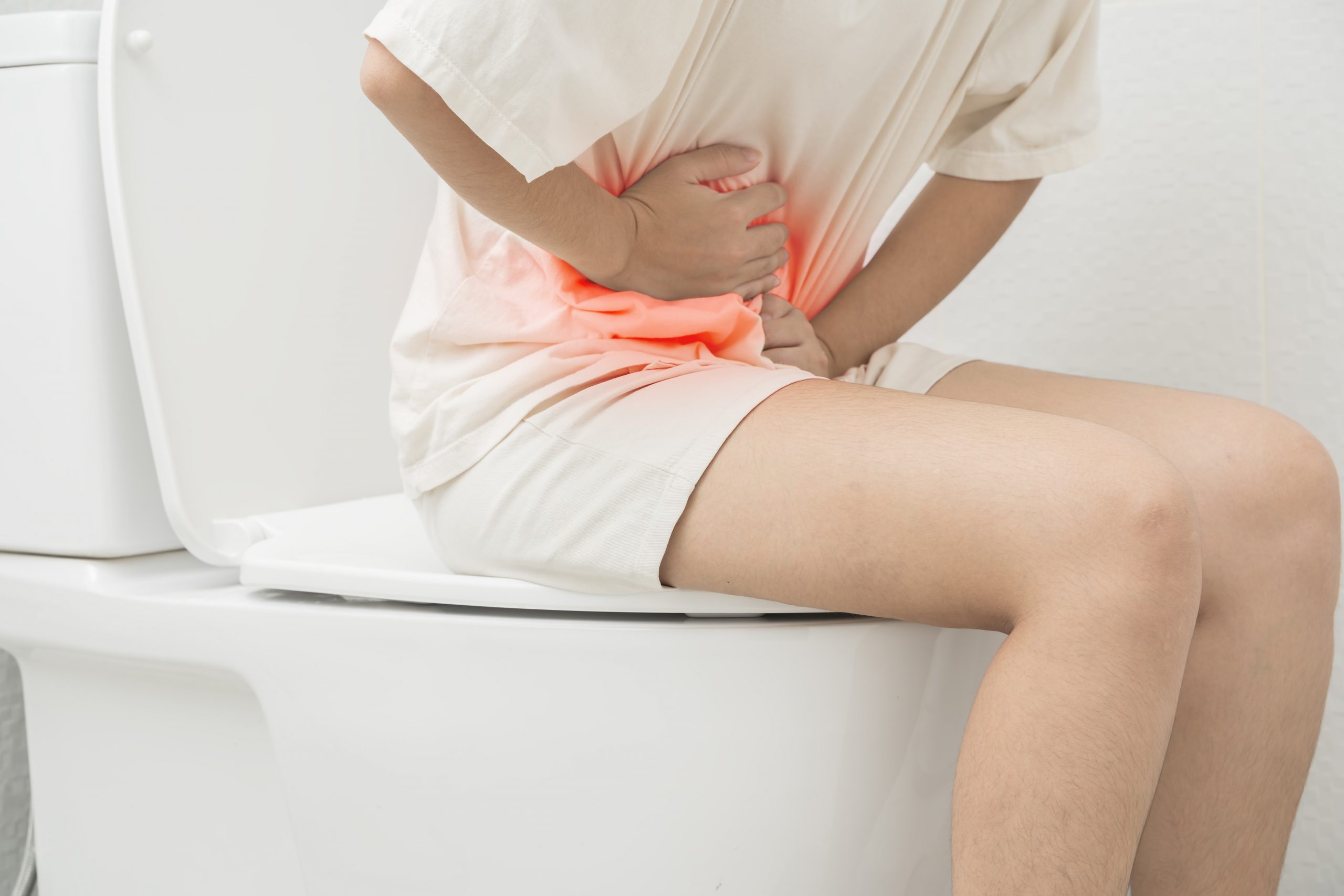
Living with IBS can feel like a guessing game—a meal that's fine one day triggers a flare the next, and conventional treatment doesn't always offer satisfying answers. The good news is that a growing body of research supports approaches used in naturopathic treatment for IBS, including dietary modifications, lifestyle strategies, and other non-pharmacological interventions. Whether the goal is to complement an existing treatment plan or move away from medication entirely, there are evidence-informed strategies worth knowing about.
The Canadian Digestive Health Foundation (CDHF) estimates that approximately 18% of Canadians live with IBS, one of the highest rates globally. The condition can significantly affect daily life, work productivity, and overall well-being, yet many people continue to struggle with recurring symptoms despite treatment.
IBS does not have a single cause. Symptoms may be linked to diet, stress, gut health, or a combination of factors, which is why personalized approaches are often more effective than one-size-fits-all solutions.
The strategies outlined here — from diet and fibre choices to herbal remedies, lifestyle shifts, and mind-body therapies — are all supported by credible research. According to Healthflow Naturopathic, a Calgary clinic with a team of licensed naturopathic doctors, effective IBS management often requires an individualized approach that considers the many factors influencing digestive health.
Conventional IBS medication typically targets a single symptom — a drug for diarrhea, another for cramping, another for bloating. Natural and naturopathic approaches take a different angle entirely. Rather than suppressing individual symptoms, the goal is to identify and address the underlying drivers: gut microbiome imbalances, chronic inflammation, stress dysregulation, or specific food intolerances.
This distinction matters because IBS symptoms often shift over time. Someone who primarily experiences diarrhea may later develop constipation, or find that emotional stress reliably precedes a flare. A root-cause approach looks at the full picture — gut health, nervous system function, diet patterns, and sleep — and builds a protocol around the individual's specific presentation. That's a fundamentally different model than matching a symptom to a pill.
FODMAPs stands for Fermentable Oligosaccharides, Disaccharides, Monosaccharides, and Polyols — a group of short-chain carbohydrates that are poorly absorbed in the small intestine. When they reach the large intestine, they ferment rapidly, drawing in water and producing gas. For people with IBS, this process is often the direct cause of bloating, cramping, diarrhea, and that uncomfortable sense of fullness that lingers for hours after a meal.
High-FODMAP foods include things like wheat, onions, garlic, apples, dairy with lactose, and certain legumes. They're not inherently unhealthy — but for an IBS-sensitive gut, they can set off a significant reaction. The low FODMAP diet is recognized as one of the most effective dietary strategies for managing IBS, with strong clinical evidence supporting its ability to reduce abdominal pain, gas, bloating, and diarrhea in the majority of people who follow it correctly.
The low FODMAP diet works in three phases: elimination, reintroduction, and personalization. The first phase — typically lasting two to six weeks — removes all high-FODMAP foods from the diet. This alone can bring noticeable symptom relief for many people. The second phase systematically reintroduces FODMAP categories one at a time to identify which ones are personally problematic. The third phase establishes a long-term eating pattern based on individual tolerance.
A food diary is essential throughout this process. Logging meals, symptoms, stress levels, and sleep quality helps identify patterns that might otherwise go unnoticed. Symptoms in IBS can be delayed by several hours after eating, so connecting cause and effect isn't always obvious without a written record.
Not all fibres affect IBS the same way. Insoluble fibre (found in wheat bran and many raw vegetables) can irritate a sensitive gut, while soluble fibre dissolves in water to form a gel-like substance that slows digestion and softens stool — making it gentler and more regulating for IBS.
The American College of Gastroenterology recommends soluble fibre as a first-line dietary tool for IBS. Top sources include:
Adding soluble fibre gradually — rather than all at once — is important, as a sudden increase can temporarily worsen bloating while the gut adjusts.
Peppermint oil is one of the most researched natural remedies for IBS. Studies have found that enteric-coated peppermint oil capsules may help reduce abdominal pain, cramping, and overall symptom severity by relaxing the smooth muscles of the digestive tract. People with gastroesophageal reflux should use caution, as peppermint may worsen symptoms.
The gut microbiome plays an important role in digestive health, and research suggests that people with IBS often have differences in their gut bacteria. Probiotics may help improve symptoms, although results can vary depending on the strains used and the individual's symptom profile. Choosing products with clinical evidence for IBS or seeking professional guidance may improve outcomes.
Several herbal teas are commonly used to support digestive comfort. Fennel may help with gas and bloating, chamomile is often used for digestive discomfort and stress support, and ginger may assist with nausea and digestive motility. While more IBS-specific research is needed, these teas remain popular complementary options for symptom management.
The gut-brain axis is a two-way communication system between the digestive tract and the central nervous system — and in people with IBS, this connection is often hypersensitive. Stress doesn't just feel bad; it actively changes gut motility, increases intestinal permeability, and shifts the microbiome in ways that worsen symptoms. This is why stress reduction isn't optional for IBS management — it's therapeutic.
Research supports yoga, meditation, and diaphragmatic (deep) breathing as effective tools for reducing IBS symptom severity. Yoga in particular combines physical movement with regulated breathing and mindfulness, targeting multiple stress-response pathways at once. Even a consistent 10-15 minute daily breathing practice — slow, belly-focused breaths — can activate the parasympathetic nervous system and reduce gut hypersensitivity over time.
Regular moderate exercise improves blood flow to the digestive system, supports gut motility, and has been shown to reduce abdominal pain and overall IBS symptom burden. Walking, swimming, and cycling are well-tolerated options that don't over-stress the body.
Two of the most underappreciated tools for IBS management are also two of the most evidence-supported: Cognitive Behavioural Therapy (CBT) and gut-directed hypnotherapy.
CBT works by identifying and reframing thought patterns that heighten pain perception and anxiety around gut symptoms. For IBS, a condition heavily influenced by the gut-brain axis, this has a direct physiological impact — not just a psychological one. Multiple clinical trials confirm that CBT reduces IBS symptom severity, particularly in people whose symptoms are closely tied to stress, anxiety, or catastrophic thinking about their condition.
Gut-directed hypnotherapy is even more specific. During sessions, patients learn to direct relaxation and positive imagery toward the gut itself, reducing hypersensitivity and spasm. Research has found gut-directed hypnotherapy to be comparably effective to the low FODMAP diet in reducing IBS symptoms — a striking finding for a non-dietary, non-pharmaceutical intervention. These therapies are most accessible through trained psychologists, therapists, or naturopathic practitioners who integrate mind-body approaches into their IBS protocols.
For many people with IBS, medication can help manage symptoms, but it may not address all of the factors contributing to digestive discomfort. Because IBS can be influenced by diet, gut microbiome balance, stress, sleep quality, and lifestyle habits, a broader perspective is often needed to understand why symptoms persist or return.
This is where a personalized approach can be valuable. Rather than focusing on a single symptom, individualized strategies consider the unique combination of factors that may be affecting digestive health. Depending on the person, this may include dietary modifications, microbiome support, stress-management techniques, lifestyle changes, and functional testing to help identify factors associated with IBS symptoms and digestive imbalances.


