Tired of adding another monthly subscription to your budget? The exercise bike market is shifting dramatically, with manufacturers now offering premium workout experiences without recurring fees… and over five years, the savings could reach thousands of dollars.
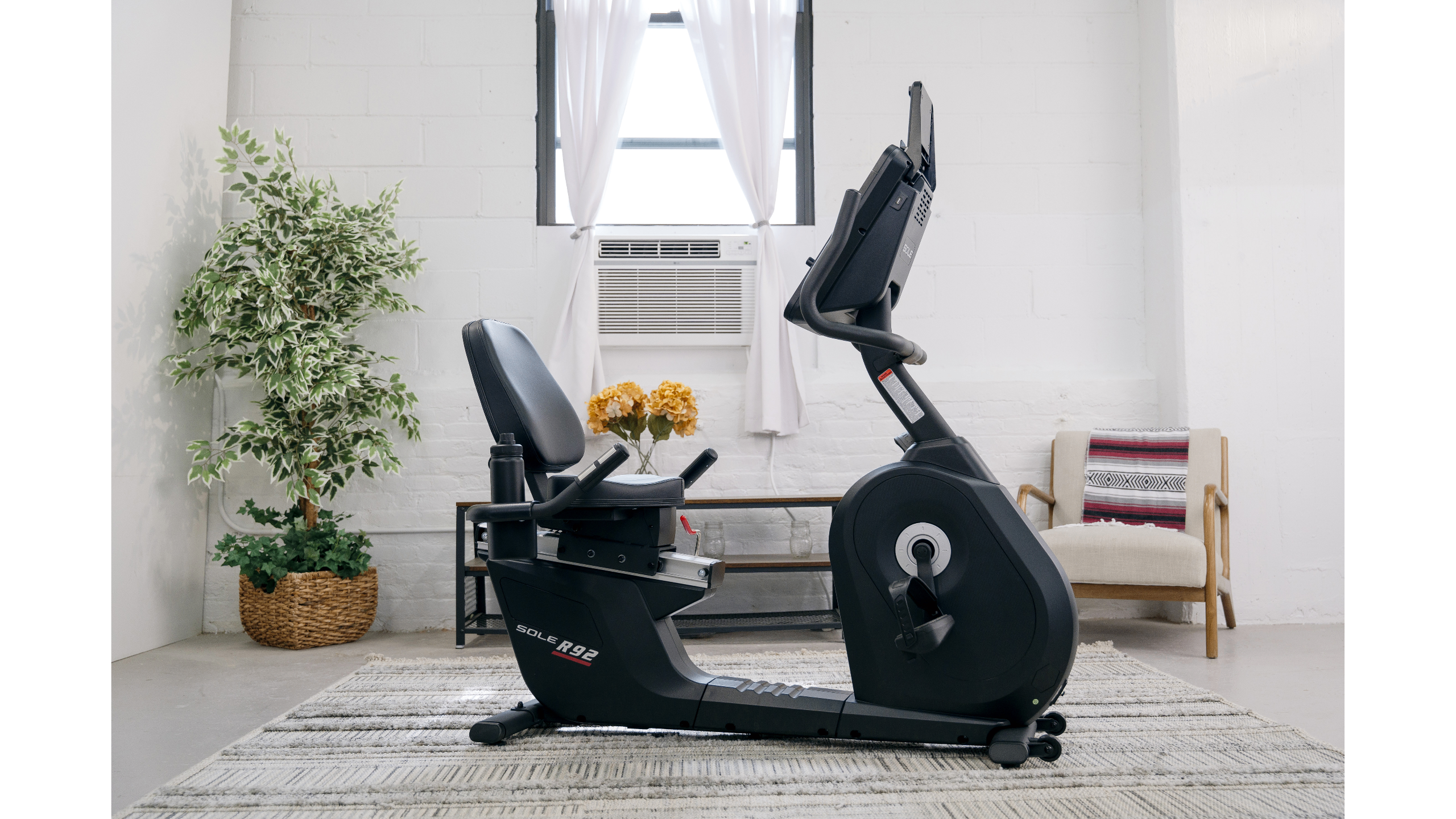
The home fitness world is changing. Big time. While subscription-based workout platforms dominated headlines in recent years, a counter-revolution is quietly reshaping how people access exercise bike content. Budget-conscious consumers are driving demand for equipment that delivers premium workout experiences without the burden of endless monthly fees.
Exercise bike manufacturers are responding to consumer fatigue with subscription models by embedding workout content directly into their equipment. Modern bikes now feature pre-programmed training sessions, interval routines, and resistance challenges that require no internet connection or monthly payment. These built-in options range from basic cardio programs to sophisticated heart rate-based training protocols.
The shift represents more than just cost savings. Integrated workout systems can offer immediate access without potential buffering issues, app crashes, or connectivity problems that can sometimes affect streaming-dependent platforms. Users can start their workout within seconds of stepping onto the bike, eliminating the friction that often derails exercise routines.
Smart exercise bikes are also embracing open platform approaches, allowing users to connect tablets or smartphones to stream content from any source. This flexibility means riders can access free YouTube fitness channels, library workout DVDs, or their preferred music streaming service without being locked into a single ecosystem.
Market research reveals that consumers increasingly view fitness subscriptions as a financial burden rather than added value. The psychology of recurring payments can contribute to decision fatigue, as users may constantly evaluate whether they're getting their money's worth. Equipment purchases, by contrast, feel like investments that appreciate over time through consistent use.
Buyers are calculating total ownership costs more carefully than ever before. A $1,200 exercise bike with no subscription requirements is a lot more attractive than a $800 bike requiring $39 monthly fees when viewed over a five-year timeframe. This shift in purchasing behavior is forcing manufacturers to reconsider their revenue models.
Technical innovation has made it easier for manufacturers to support multiple workout sources simultaneously. Modern exercise bikes can connect to fitness apps, stream video content, and integrate with wearable devices without requiring proprietary subscriptions. This approach satisfies users who want choice and flexibility in their workout content.
Open platforms can also help future-proof the equipment investment. Users aren't locked into a specific instructor style, workout format, or content library that might become stale over time. They can try different fitness philosophies, seasonal training programs, or specialized workout types without additional costs.
Advanced exercise bikes now store dozens of workout programs directly in their onboard computer systems. These range from beginner-friendly steady-state cardio sessions to advanced interval training protocols designed by certified fitness professionals. The programs automatically adjust resistance levels, provide coaching cues, and track performance metrics without requiring any external connectivity.
Console-based workouts often include heart rate zone training, hill climb simulations, and custom programs that adapt to user fitness levels over time. The sophistication rivals what subscription services offer, but with the convenience of instant access and no monthly fees.
Modern exercise bikes feature Bluetooth connectivity, tablet holders, and often include charging options like wireless charging pads or USB ports that transform any mobile device into a workout display. Users can stream content from Netflix, YouTube, or specialized fitness apps while the bike tracks their pedaling metrics independently. This separation of entertainment/instruction from equipment function provides maximum flexibility.
Device integration also enables compatibility with popular fitness tracking ecosystems like Apple Health, Google Fit, or Strava. Users can maintain their existing digital fitness records without being forced into a manufacturer's proprietary platform.
Some manufacturers bridge the gap between subscription and free models by offering companion apps with no recurring fees. These apps provide workout libraries, progress tracking, and social features typically associated with paid platforms. The apps monetize through equipment sales rather than ongoing subscriptions, aligning manufacturer incentives with customer satisfaction.
Free companion apps often receive regular content updates, seasonal workout programs, and community challenges that keep the experience fresh. Users get the engagement benefits of connected fitness without the financial commitment of ongoing payments.
The financial advantages of subscription-free exercise bikes become apparent through long-term analysis. A typical subscription-dependent bike costing $1,500 with a $39 monthly fee totals $3,840 over five years. A comparable subscription-free bike priced at $1,800 represents a $2,040 savings over the same period, while providing unrestricted access to workout content.
These calculations assume stable subscription pricing, but many fitness platforms have increased their monthly fees by 15-25% since launching. Subscription-free equipment eliminates the risk of surprise price increases that can dramatically alter long-term ownership costs.
Additional savings come from family usage scenarios. Subscription-free bikes can be used by multiple household members without per-user fees, shared account limitations, or profile management complications. A family of four using the same equipment would face potential multiple subscription costs with some platforms.
When comparing home fitness investments to traditional gym memberships, the economics become even more compelling. Average gym memberships in the United States range from $50-80 monthly, totaling $3,000-4,800 over five years. A complete home gym setup including a subscription-free exercise bike, weights, and accessories typically costs $2,000-3,500 upfront.
Home gyms eliminate travel time, parking costs, and the social pressure that prevents some people from exercising consistently. The convenience factor often leads to better workout adherence, making the investment more valuable than the pure financial comparison suggests.
The shift toward subscription-free exercise bikes represents a fundamental change in how consumers approach home fitness investments. Rather than treating workout content as an ongoing expense, buyers can now view their equipment purchase as a fitness solution that appreciates in value through consistent use.
This model particularly benefits households with multiple users, long-term fitness goals, or budget constraints that make recurring payments problematic. Families can invest in quality equipment once and enjoy unlimited access to workout content for years, making home fitness more accessible and sustainable.
The growing availability of free workout content from multiple sources ensures that subscription-free bike owners have access to diverse, high-quality training programs. As more creators and manufacturers adopt this model, the content ecosystem continues expanding without additional costs to consumers.


