From quick mulching fixes to engineered slope reinforcement, these ten field-tested methods tackle everything from minor washouts to major hillside failures. Discover which combination of plants, barriers, and drainage systems matches your property’s specific erosion challenges and budget.
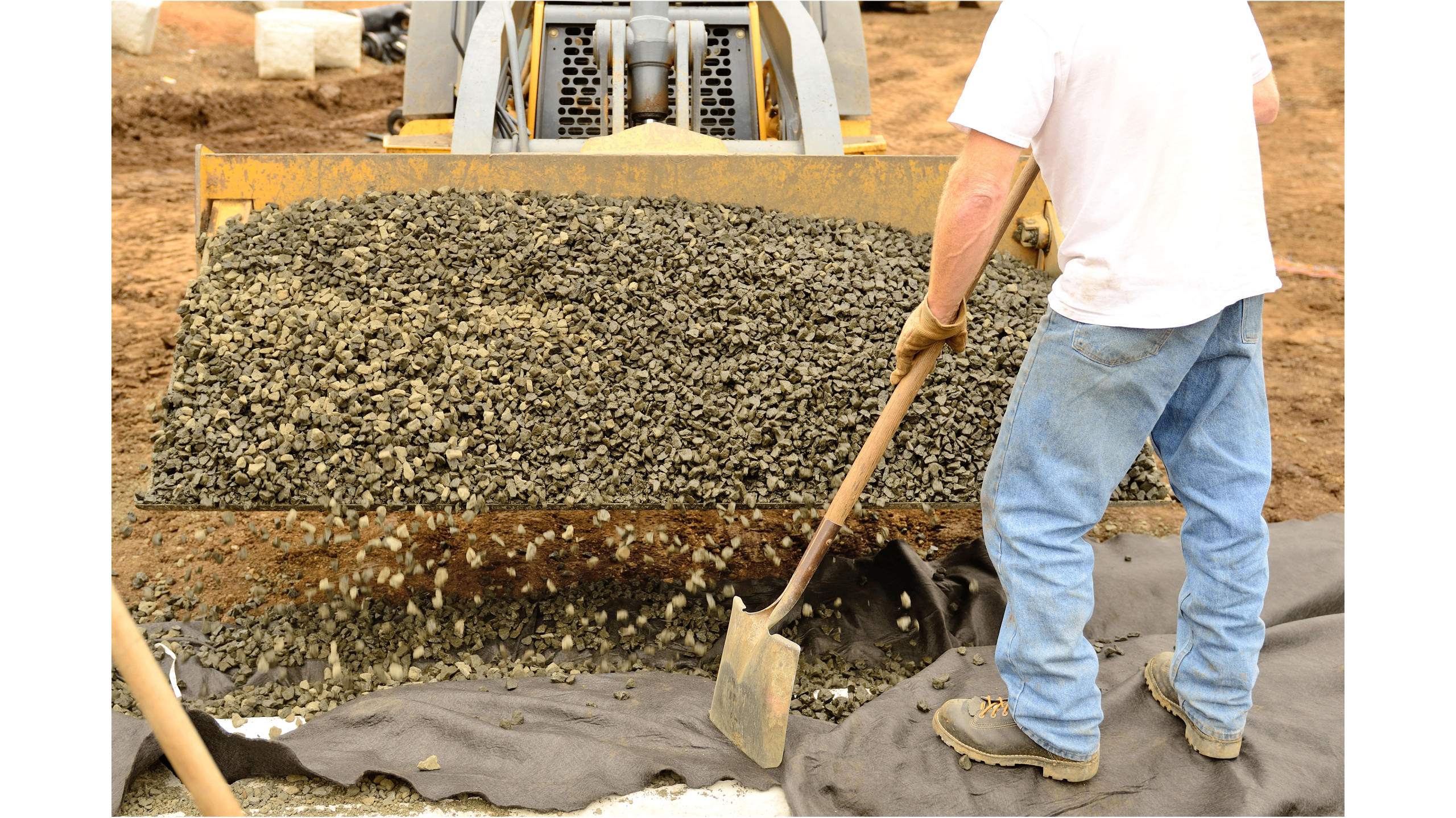
Every year, billions of tons of topsoil wash away from properties across the country, damaging structures and polluting nearby waterways. Working with an experienced erosion control contractor helps property owners protect their land from rain and wind damage that gets worse each storm season.
Construction sites and sloped properties face the biggest risks when heavy rains wash away exposed soil, say Charlotte-based experts from Main Street Retaining Walls. The contractors share ten proven methods that protect North Carolina properties from erosion damage while saving thousands in repair costs.
North Carolina gets heavy rains, hurricanes, and storms that wash away soil from yards, construction sites, and hillsides throughout the year. Construction work makes erosion worse by removing plants and disturbing soil that normally stays in place during regular rainfall. Properties with slopes, poor drainage, or dying grass also develop erosion problems that get expensive to fix later.
Native plants with deep roots work best because they grab onto soil particles and hold them together during heavy rains. Prairie grasses, wildflowers, and shrubs native to North Carolina create root networks that go deep underground and strengthen soil naturally. These plants also slow down water running across the ground, which gives rain more time to soak in instead of washing soil away.
Hydroseeding sprays a mix of seeds, mulch, and fertilizer onto bare ground, creating quick coverage on slopes and large areas. The special mixture sticks to hillsides and stays in place while seeds grow into thick grass or plant cover. This method protects soil right away with the mulch layer while seeds grow into permanent vegetation that handles erosion long-term.
Erosion control blankets are mesh-like materials that lay over bare soil and hold everything in place while plants grow through them. These blankets protect soil from rain and wind immediately, plus they keep the ground moist and warm for better plant growth. Some blankets break down naturally over time, while others, like concrete mats, provide permanent protection for drainage channels and high-water areas.
What good erosion blankets do:
Silt fences are fabric barriers that catch soil particles while letting water flow through slowly, keeping soil from leaving your property. These temporary fences work great around construction areas where you need to protect nearby properties and streams from muddy runoff. The fence needs proper installation with the bottom edge buried and strong posts, or it won't handle water pressure during storms.
Terraces turn steep hillsides into flat steps that slow water down and give it places to soak into the ground safely. Each level catches water from above, preventing the fast flow that carves gullies and washes away topsoil during storms. Modern terracing combines these flat areas with drainage systems between levels to handle even the heaviest North Carolina rainstorms.
Grass-lined channels move water safely through your property while the grass filters out soil and prevents the channel from washing away. These waterways handle runoff from roofs, driveways, and natural low spots without creating the erosion that happens with unprotected drainage paths. French drains work underground to remove excess water that makes soil unstable and causes slopes to fail or slide.
Parts of good drainage systems:
Riprap uses large rocks that lock together to create armor against water in places where other methods would wash away quickly. This rock protection works great along streams, ponds, and steep slopes where strong water flow would destroy grass or blankets. The spaces between rocks let small plants grow and animals live there, making the installation look more natural over time.
Soil nailing involves drilling steel bars deep into unstable slopes to create internal support that prevents the ground from sliding or collapsing. These hidden reinforcements work like underground retaining walls that hold soil from inside, perfect for steep cuts near buildings or roads. MSE walls stack reinforced soil layers to build tall structures that handle heavy loads while staying flexible enough to resist cracking.
Spreading straw, wood chips, or leaves over bare soil protects it from rain while keeping moisture in and temperatures steady for plants. The mulch layer should be thick enough to protect soil but thin enough to let new plants grow through it easily. Natural mulches break down slowly, adding nutrients to soil and improving its ability to resist erosion over time.
Biochar is a special type of charcoal that improves soil by helping it hold water, nutrients, and stick together better against erosion. This material has tiny holes that work like a sponge, binding soil particles while creating spaces for helpful bacteria and fungi. One biochar treatment keeps working for years, reducing fertilizer needs and making soil stronger against rain and wind erosion.
Good erosion control uses several methods working together because no single solution handles every problem you might face on your property. Start with immediate protection like mulch or blankets, add plants for medium-term coverage, then install permanent structures where you need them most. Your specific mix depends on your slope, soil type, water flow, existing plants, and how much maintenance you want to do.
Check these things on your property:
Smart erosion control means fixing small problems before they turn into expensive emergencies that damage buildings or require major repairs.
Professional retaining wall contractors can design and install the right combination of walls, drainage, and vegetation for lasting protection. Pick the combination that fits your property's needs, budget, and long-term plans for the best results.


