Hiring the wrong drainage contractor can turn a repair into a disaster. Licensed professionals with proper insurance, modern equipment, and detailed contracts protect your property, while rushed decisions often lead to catastrophic mistakes. Knowing which red flags demand immediate attention saves thousands in preventable damage.
Blocked drains and flooding basements cost Charlotte homeowners thousands in property damage each year. When water pools in your yard or drains stop working, panic often leads to hiring the first company that answers the phone.
That rushed decision usually backfires. A Charlotte-based expert explains that recognizing contractors who might compromise your property's drainage infrastructure and choosing the right drainage contractor for your project requires a clear framework.
State licensing exists for one critical reason: drainage work done wrong threatens both property and health. Before a contractor earns their license, they must pass tough exams covering everything from pipe installation to local building codes. This requirement isn't just red tape—it's proof they understand how water moves through soil and what happens when systems fail.
When you ask for a license number, watch how the contractor responds. Hesitation or excuses about paperwork signal trouble ahead because legitimate companies keep credentials readily available. Beyond that, licensed professionals carry insurance that protects you if something goes sideways during the repair, which matters more than most homeowners realize until disaster strikes.
Insurance comes in two flavors that both deserve attention. Workers' compensation handles medical bills if someone gets hurt on your property, while general liability covers damage to your home during repairs. Without both policies in place, you're left holding the bag for injuries or broken pipes that weren't part of the original problem. Your own homeowner's policy won't step in to cover mistakes made by uninsured contractors, leaving you with bills that can easily hit five figures.
Online reviews reveal patterns that single interactions can't capture. Sure, every business gets an occasional complaint, but when multiple customers mention the same issue, you're looking at a real problem rather than bad luck. The specifics matter too—detailed reviews about punctuality or cleanup carry more weight than vague praise that could apply to any company.
How a contractor handles negative feedback tells you even more than the complaint itself. Companies that argue with upset customers or ignore criticism entirely will treat you the same way when problems pop up. On the flip side, businesses that acknowledge mistakes and explain their fixes demonstrate accountability that extends beyond just getting paid.
References take this further by letting you ask pointed questions that reviews don't answer. Past customers can tell you whether estimates matched final bills or if the crew left mud tracked through the house. They know if repairs held up over time and whether the company actually answered calls when the warranty needed honoring. When references seem overly rehearsed or avoid giving straight answers, that contractor probably hand-picked the few clients who got special treatment.
Drainage problems rarely travel alone because water systems throughout your property connect in ways that aren't obvious from the surface. A contractor offering only basic drain cleaning might miss how your foundation's settling caused the clog in the first place. Companies equipped to handle everything from septic maintenance to sewer line repairs can trace symptoms back to actual causes instead of slapping temporary fixes on deeper issues.
This versatility saves you from playing middleman between multiple contractors when one problem uncovers another. Professionals who understand how components interact can distinguish between a simple blockage and foundation movement without sending you elsewhere. That comprehensive knowledge speeds up diagnosis while cutting costs since you're not paying three different companies to examine the same system.
Emergency availability separates contractors who understand drainage from those treating it like regular construction work. Sewage backups and basement floods don't wait for Monday morning, yet they cause more damage with each passing hour. Companies without 24-hour service leave you scrambling for help during crises when desperation makes you vulnerable to whoever picks up the phone, qualified or not.
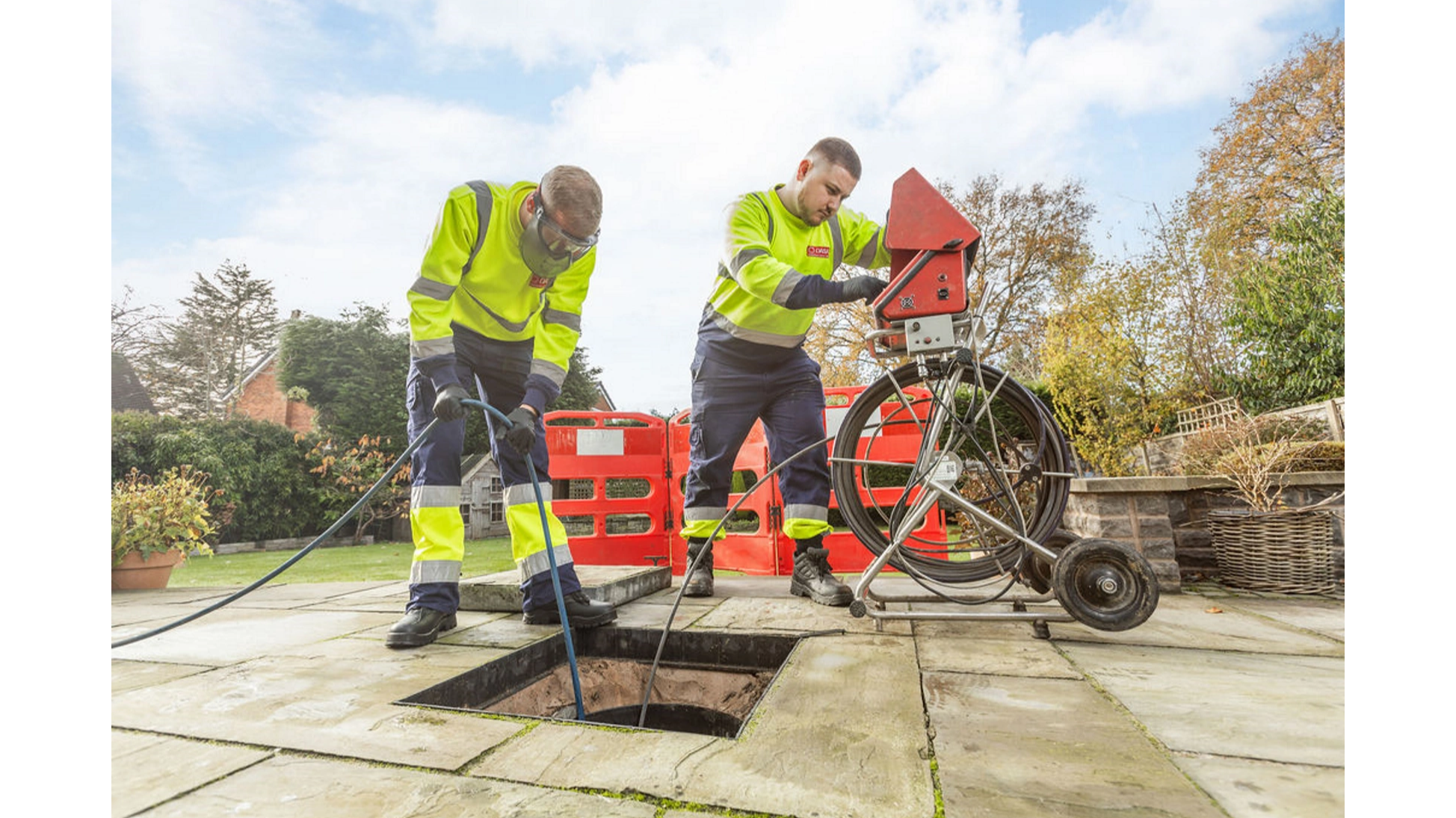
Modern technology has changed drainage work in ways that matter for your wallet. CCTV cameras let contractors see exactly what's happening inside pipes without excavating your entire yard based on guesswork. These video inspections pinpoint cracks, tree roots, and blockages down to the foot, which means targeted repairs instead of exploratory digging that destroys landscaping and racks up unnecessary costs.
Hydro-jetting takes a similar leap forward from old-school methods. High-pressure water clears stubborn clogs without the pipe damage that mechanical snakes sometimes cause, especially in older systems with weakened walls. Well-maintained professional equipment completes repairs faster and more thoroughly than consumer-grade tools, though not every contractor invests in staying current with what actually works best.
Ask what specific tools they'll use on your project and why those methods fit your situation. Vague answers about "industry-standard equipment" often mean outdated approaches that cost you more time and money than necessary.
Starting work without a detailed contract invites disputes that verbal agreements can't resolve. When disagreements arise about what was promised versus what got delivered, memory becomes conveniently selective on both sides. Written contracts eliminate that ambiguity by spelling out project scope, materials, timelines, payment schedules, and warranty coverage in plain language that both parties sign.
Reading the full agreement before signing protects you from buried terms that only surface after work begins. Contractors who rush signatures or discourage careful review are often hiding unfavorable clauses about change orders or payment. Professional companies want you informed because clear expectations prevent the conflicts that damage reputations and lead to bad reviews.
Payment structure reveals how much confidence a contractor has in their own work. Demanding large upfront deposits before any labor happens suggests financial problems or plans to disappear mid-project. Reasonable schedules spread payments across milestones—maybe a small deposit for materials, progress payments as work advances, and the final balance only after completion meets contract terms.
Lowball bids that undercut competitors by huge margins come with catches you'll discover too late. These suspiciously cheap quotes either hide extra charges that appear as "unforeseen complications" or signal rushed work from crews cutting every possible corner. Quality repairs need proper materials and skilled labor, both of which cost consistent rates across legitimate companies within your market.
Realistic timelines demonstrate whether a contractor has actually completed similar projects before. Ask what factors might extend the schedule beyond their control, then listen for specific answers rather than vague assurances. Understanding the work process helps you prepare for disruptions while revealing if they've thought through your particular drainage problem or just want to book the job.
Find out what happens when unexpected issues surface during repairs. Honest contractors acknowledge that opening walls or excavating sometimes uncovers additional problems, and they explain how they handle those discoveries. Companies guaranteeing that nothing could go wrong either lack real-world experience or plan to hit you with surprise charges when reality proves messier than their sales pitch.
Warranty terms show how much faith a contractor places in their own workmanship. Quality companies back both labor and materials for set periods, covering failures without arguments about what counts as warranty work. Get specifics about response time for warranty claims and whether follow-up visits include service fees, because verbal guarantees evaporate when you actually need them honored.
Some red flags wave so obviously that ignoring them practically guarantees regret later. Refusing to show licensing and insurance documentation means credentials don't exist or coverage lapsed months ago. Either way, you're left vulnerable to liabilities that could cost more than your entire house is worth.
Pressure tactics around contract signing reveal contractors who want your money before you discover their shortcomings. Legitimate companies give you time to review agreements and compare competing bids because they know their work stands up to scrutiny. Those demanding immediate decisions fear you'll notice the problems their contracts try to hide.
Cash-only payment or steep discounts for paying everything upfront signal businesses operating outside normal channels for a reason. Standard payment schedules and multiple payment options indicate established companies following practices that protect customers. When contractors badmouth every competitor or claim they're the only honest company around, they're usually projecting their own dishonesty onto others while hoping you won't check further.
Drainage issues get worse with time, not better, so waiting rarely saves money in the long run. Yet rushing into hiring the first available contractor typically costs far more than the extra hours spent researching properly. Verifying licenses, checking insurance, reading reviews, and interviewing multiple companies might feel tedious, but it's free insurance against disasters that could compromise your foundation.
Professional contractors earn trust by proving credentials rather than just claiming expertise. They welcome tough questions because clear answers demonstrate the knowledge that separates real professionals from salespeople reading scripts. Protecting your foundation requires working with specialists who understand that effective drainage solutions demand both technical expertise and accountability when problems need fixing.


