Is there a single best material for a retaining wall? This article breaks down the most common options and shows how to pick the “best” for your particular vision and situation.
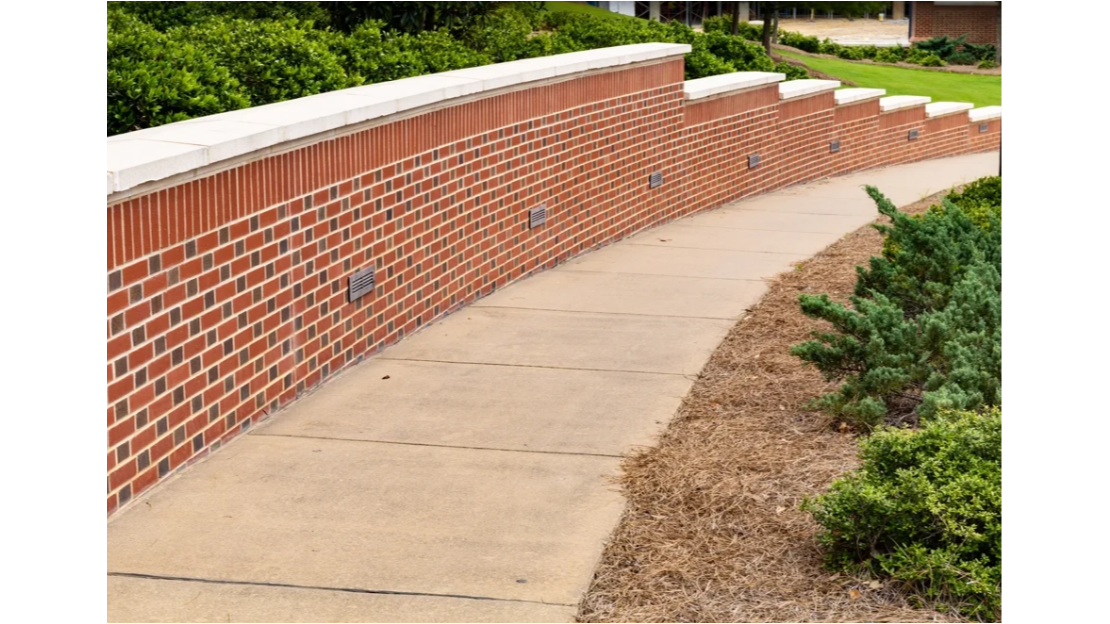
At first glance, a retaining wall might seem like just a practical addition to a yard, but upon closer inspection, you’d quickly learn that no two walls are the same.
Each property presents unique challenges; for instance, slopes, soil type, drainage patterns, and exposure to the elements all play a role in determining what will work best.
Different materials handle water, weight, and weather in completely different ways. A timber wall might suit a small garden bed, while a concrete structure could be overkill for the same job. The wrong choice means you’re either wasting money or about to deal with failure sooner than expected.
Homeowners today have more options than ever, and here are the most common choices:
Selecting the right material goes beyond aesthetics. As mentioned earlier, factors such as soil composition, slope steepness, and water flow must guide your decision.
For example, clay-heavy soil holds moisture differently than sandy soil, affecting how the wall settles over time. Steeper grades require more structurally sound materials, while gentler slopes allow for creative options like timber or stacked stone.
The climate plays an important role too. Freeze-thaw cycles destroy certain materials faster than others, while owners of coastal properties need to account for salt exposure.
The sheer number of options and considerations makes consulting professional retainer wall installers a non-negotiable if you’re to ensure that the retaining wall will perform years after it was built.
Anyone can pour concrete or stack blocks, but the question is whether they understand why walls fail and how to prevent it.
The first step to having a long-lasting retaining wall is to find the right contractor, and when several tons of earth and stone are involved, you want someone who can be held accountable, making license checks a must.
Also, good contractors bring up drainage before you ask about it. They've seen enough failures to know that water pressure destroys more walls than poor materials ever will. If drainage seems like an afterthought in their pitch, move on to the next name on your list.
Investing in a retaining wall requires careful thought, but the payoff is significant. The right material, combined with skilled installation, safeguards the property and enhances not just its appeal but the likelihood of having it serve its protective purpose for decades.


