For those dealing with knee pain, the choice of cardio machine is vital. Research shows ellipticals can reduce joint stress dramatically compared to treadmill running – but there’s a surprising twist about walking that could change workouts entirely.
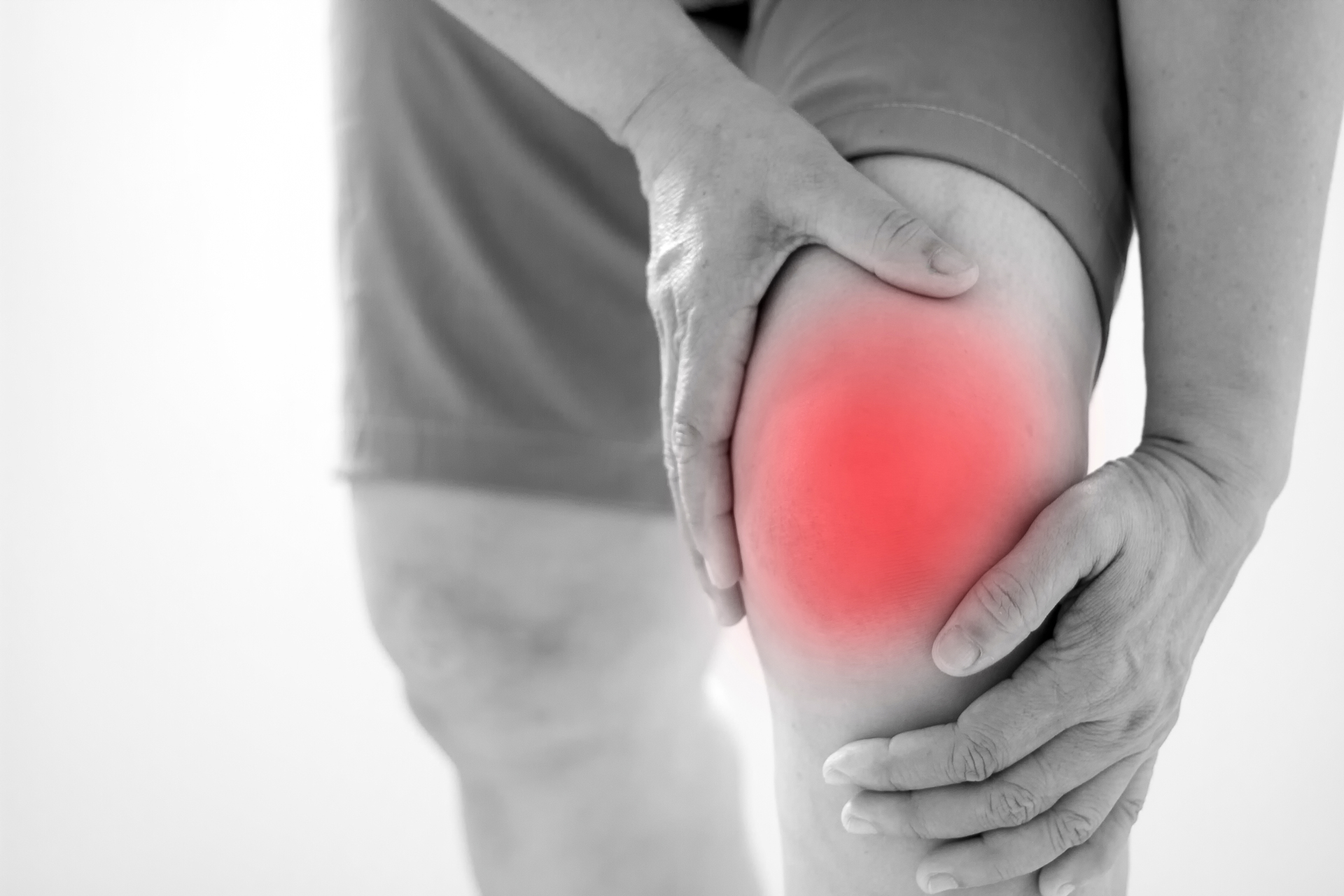
When dealing with knee pain or joint sensitivities, the type of cardio equipment chosen makes a significant difference in comfort and long-term joint health. Elliptical trainers consistently emerge as the winner for individuals with compromised knees due to their fundamental design philosophy: providing zero-impact workouts by maintaining continuous foot contact. Unlike treadmills where each step creates a moment of force transmission through the knee joint, elliptical machines maintain continuous foot contact with suspended pedals, creating a smooth gliding motion that mimics natural movement patterns without the jarring effects of high-impact footstrike.
Knee pain remains a much-maligned issue in the health and fitness arena - with Health.com noting that such aches and pains frequently follow workouts when exercises are chosen poorly.
This is why experts urge health enthusiasts to prioritize machines with a zero-impact design - especially when they're recovering from knee injuries, managing arthritis, or dealing with chronic knee pain. For instance, the elliptical's suspended pedal system ensures that feet never leave the platform, eliminating the high-impact footstrike associated with running and walking. This design allows users to simulate walking, running, and stair climbing movements without unnecessary stress on knees, hips, or ankles.
During treadmill exercise, particularly running, each foot strike generates forces that can be significantly higher than body weight, often cited as two to three times body weight. This repetitive impact travels up through the kinetic chain, with the knee joint absorbing significant stress during the landing phase. The moment of impact creates what biomechanics experts call "peak loading," where the knee experiences maximum stress as it decelerates the body's downward momentum. For individuals with existing knee problems, this repeated loading can exacerbate pain and potentially contribute to further joint deterioration.
Elliptical machines eliminate the high-impact footstrike phase entirely. The continuous foot contact means there's no moment where the knee must absorb the shock of landing. Instead, the knee joint moves through its natural range of motion in a controlled, supported environment. This design principle allows users to achieve cardiovascular benefits and lower body muscle activation without subjecting their knees to the repetitive stress that characterizes ground-based activities.
Studies measuring joint stress reveal compelling data about the differences between these exercise modalities. Research indicates that elliptical training can significantly reduce knee joint stress compared to running on a treadmill, though walking on a treadmill can generate approximately the same amount of knee force as using an elliptical machine. The comparison is even more nuanced when considering walking versus running on treadmills. Walking on a treadmill generates approximately the same amount of knee force as using an elliptical machine, while running significantly increases impact forces beyond what most people with knee problems should attempt.
Modern treadmill engineering has made significant strides in protecting joints through advanced deck cushioning systems. High-quality cushioned decks can reduce impact forces by 15% to 33% compared to running on concrete or asphalt. Some treadmill brands have developed particularly effective cushioning technology, reducing impact by up to 40% compared to on-road running. This innovation acts as a shock absorber between the user and the machine frame, significantly reducing the harsh impact that reaches the knee joint.
Physical therapists frequently recommend incline walking as an optimal treadmill strategy for individuals with knee concerns. Research demonstrates that walking on inclined surfaces actually decreases frontal plane knee moments as the gradient increases, with more significant reductions typically occurring at gradients above 5%. A modest incline can reduce impact absorption by the legs while simultaneously increasing hamstring and calf engagement, which provides better support for the knee joint. This approach allows users to increase workout intensity without increasing speed, which can be particularly stressful for compromised knees.
Maintaining appropriate speeds is vital for knee protection during treadmill workouts. Starting at gentle paces allows the muscles surrounding the knee to warm up and bear loads more effectively, reducing injury risk. Variable speed options enable users to find their optimal pace that maintains cardiovascular benefits without overstraining knee joints. The key lies in prioritizing consistency over intensity, particularly for individuals new to exercise or managing existing knee pain.
The pedal design of elliptical machines plays a vital role in knee comfort and safety. Well-designed ergonomic pedals reduce ankle and knee stress by maintaining proper alignment throughout the exercise motion. Quality ellipticals feature adjustable pedals that accommodate different heights and stride patterns, ensuring that users can find a natural, comfortable position regardless of their physical dimensions. This customization prevents awkward knee positioning that could lead to discomfort or injury.
Stride length adjustment represents another critical feature for knee-friendly elliptical workouts. When users can match the machine's stride to their natural gait pattern, their knees move in a biomechanically sound manner that feels comfortable and pain-free. This personalization, combined with adjustable resistance levels, allows individuals to tailor workout intensity without increasing joint stress. The ability to modify both stride and resistance ensures that users can progress their fitness level while maintaining knee safety.
The choice between elliptical and treadmill equipment ultimately depends on individual circumstances, fitness goals, and knee condition severity. For those with significant knee pain or those recovering from knee injuries, elliptical machines generally provide the safest option due to their zero-impact design. However, treadmills can still serve people with mild knee concerns when used with proper precautions: walking instead of running, utilizing incline settings, and choosing machines with advanced cushioning systems.
Some individuals find elliptical workouts more engaging due to the full-body movement patterns, while others prefer the familiar feeling of walking or the outdoor simulation that treadmills provide. Yet, experts believe that both treadmills and elliptical trainer machine types can deliver effective cardiovascular workouts and support weight management goals when used consistently and appropriately.


