Thinking about adding a wine cellar or hidden room to your luxury home? One Boca Raton designer reveals why these custom features can return up to 70% of your investment—and why appraisers struggle to put a price tag on them.
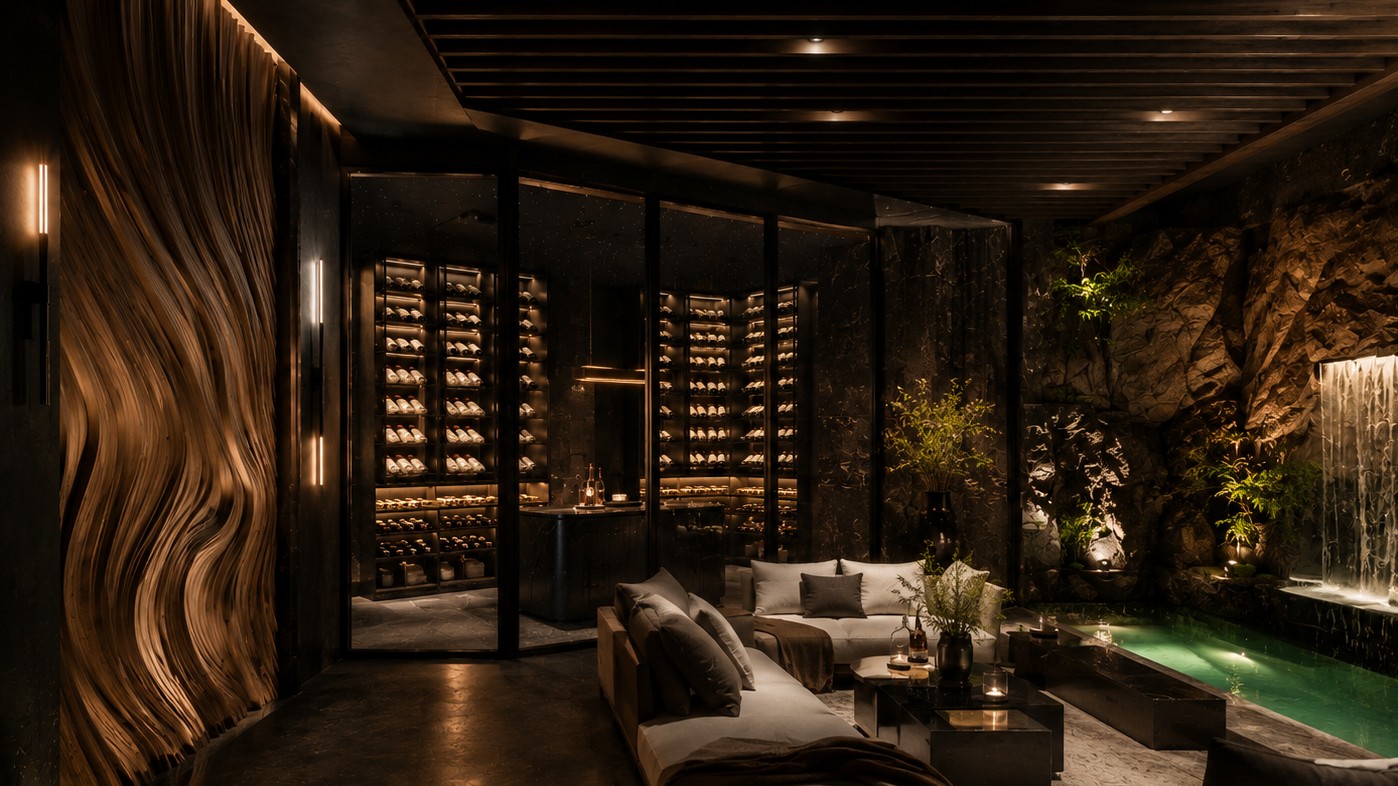
Luxury homeowners investing in distinctive features face a fascinating appraisal paradox. While standard renovations like kitchen upgrades have predictable returns, truly unique spaces—wine cellars with concealed entries, private wellness retreats, hidden entertainment rooms—often generate disproportionately higher appraisal values precisely because they're impossible to compare.
A properly designed wine cellar represents far more than storage space. Industry data shows wine cellars can generate returns of up to 70% or more in affluent markets, where wine collecting serves as both hobby and investment strategy. Unlike generic luxury finishes, a climate-controlled wine environment signals sophistication, patience, and an understanding of craft that resonates powerfully with potential buyers.
The value proposition extends beyond the feature itself. Recent analysis from luxury design experts reveals that wine cellars fundamentally recalibrate how buyers perceive an entire property—transforming it from impressive to unmistakably personal.
Well-designed, climate-controlled wine cellars can significantly enhance a property's appeal and perceived value, often becoming a key selling point that fosters a strong emotional connection with potential buyers and can contribute to a higher sale price.
Appraisers face a significant challenge when evaluating highly customized features. Standard appraisal methodology relies on comparable sales—finding similar properties with similar features sold recently in the same market. However, elaborate wine cellars, hidden rooms, and bespoke wellness spaces rarely have direct market matches.
This "comparable problem" forces appraisers to consider alternative valuation approaches. When no comparable sales exist for a concealed poker room or a private screening space behind hidden doors, traditional market comparison methods become inadequate for determining true value.
Without comparable sales data, appraisers often turn to the cost approach method, which considers the expense of recreating the feature, plus the quality of integration and craftsmanship. While the cost approach provides a method for valuing unique features by considering their reproduction or replacement expense, appraisers may face challenges in fully capturing the intangible value of highly customized spaces.
The cost approach accounts for materials, labor, design complexity, and the skill required to execute unique features. A wine cellar with hand-crafted racking, integrated lighting, and seamless architectural integration commands higher valuation under this method than simple storage solutions.
Wine cellars that function as architectural statements rather than mere storage create lasting impressions during property showings. The key differentiator lies in integration—how seamlessly the space flows with the home's overall design narrative. Climate control systems, custom racking solutions, and strategic lighting transform wine storage into an experience that speaks to discerning buyers.
Successful wine cellars often incorporate viewing areas, tasting spaces, or entertaining zones that extend their functionality beyond storage. These elements justify higher appraisal values by creating spaces buyers can envision using regularly, not just admiring occasionally.
Hidden doors, concealed passages, and secret rooms tap into buyers' desires for exclusivity and novelty. These features differentiate properties in competitive luxury markets where buyers seek homes that feel personally curated rather than generically upscale.
The most valuable hidden spaces serve practical purposes—private offices, entertainment rooms, or meditation spaces—while maintaining the intrigue factor. A concealed home theater or hidden study creates both functional value and memorable experiences that influence buyer decision-making.
Home wellness spaces have evolved from luxury amenities to expected features in high-end properties. However, the difference between spaces that add significant value and those that merely meet expectations lies in thoughtful integration and design execution.
Successful wellness retreats incorporate multiple elements—saunas, steam rooms, cold plunge areas, meditation spaces—into cohesive environments that feel spa-like rather than utilitarian. The spatial flow, lighting design, and material choices determine whether these spaces command premium appraisal values.
Single dramatic features—statement walls, custom lighting installations, or striking material applications—can anchor entire rooms and influence overall property perception. These elements work best when they showcase exceptional craftsmanship or unique design vision that buyers cannot easily replicate elsewhere.
Statement features succeed when they feel integral to the home's design rather than added afterthoughts. Floor-to-ceiling installations, custom millwork, or artistic lighting systems that define spaces rather than merely decorate them generate the strongest appraisal impact.
Luxury buyers in markets like Boca Raton increasingly prioritize emotional connection over standard luxury features. The spaces that generate the strongest buyer response during property tours are those that create memorable experiences—moments that make buyers envision themselves living specific lifestyles within the home.
Research in buyer psychology confirms that emotional engagement significantly influences purchase decisions and willingness to pay premium prices. Unique spaces that surprise, delight, or inspire buyers often become the focal points around which entire purchase decisions revolve.
According to 2023 market research, luxury home buyers consistently prioritize custom-built features that offer privacy and personalized experiences over generic high-end finishes. This trend reflects a broader shift toward homes that reflect individual interests and lifestyle preferences.
While custom amenities contribute to a home's appeal, the National Association of Home Builders (NAHB) primarily highlights features such as overall square footage, number of bathrooms, and newer construction as key value drivers in single-family homes.
Real estate investment analysis reveals that highly specialized additions like wine cellars or home theaters, when executed with exceptional quality, often yield disproportionately higher returns compared to standard renovations in the luxury segment. This pattern reflects both the rarity and desirability of well-designed custom features.
The lack of comparable properties works in favor of homeowners who invest thoughtfully in unique amenities. Appraisers must consider what buyers will pay for exclusive features, often resulting in valuations that reflect the emotional and lifestyle premiums these spaces command.
The emotional connection buyers form with distinctive spaces during property showings directly influences their willingness to pay higher prices. While buyer psychology and emotional engagement significantly influence a property's final sale price, appraisers primarily rely on established valuation methodologies, such as the sales comparison and cost approaches, to objectively determine property values. The impact of buyer psychology is often reflected in market demand and sale prices, which appraisers then analyze through these objective frameworks.
Spaces that create "wow moments"—unexpected discoveries, beautiful surprises, or features that make buyers feel they've found something truly special—often become the determining factors in competitive bidding situations and above-asking-price offers.
Smart luxury homeowners focus investment dollars on spaces that stand out rather than blend in. The most successful projects create one or two signature features that make properties feel unmistakably unique while maintaining broad appeal to discerning buyers.
The key lies in executing distinctive features with exceptional quality and thoughtful integration. Half-measures in unique spaces often fail to generate expected returns, while fully realized custom environments can significantly outperform standard luxury upgrades in both buyer appeal and appraisal impact.
Strategic investment in experiential spaces—those designed around how buyers actually live and entertain—continues to demonstrate the strongest correlation with premium appraisal values in competitive luxury markets.
Oasis Luxury Living specializes in creating distinctive wine cellars, hidden rooms, and wellness retreats that generate measurable appraisal premiums for discerning homeowners across South Florida and beyond at oasisluxuryliving.com.


