Once a niche activity associated with conspiracy theorists, prepping is becoming mainstream. In this in-depth piece, we explore why a growing number of Americans are going all in on prepping.
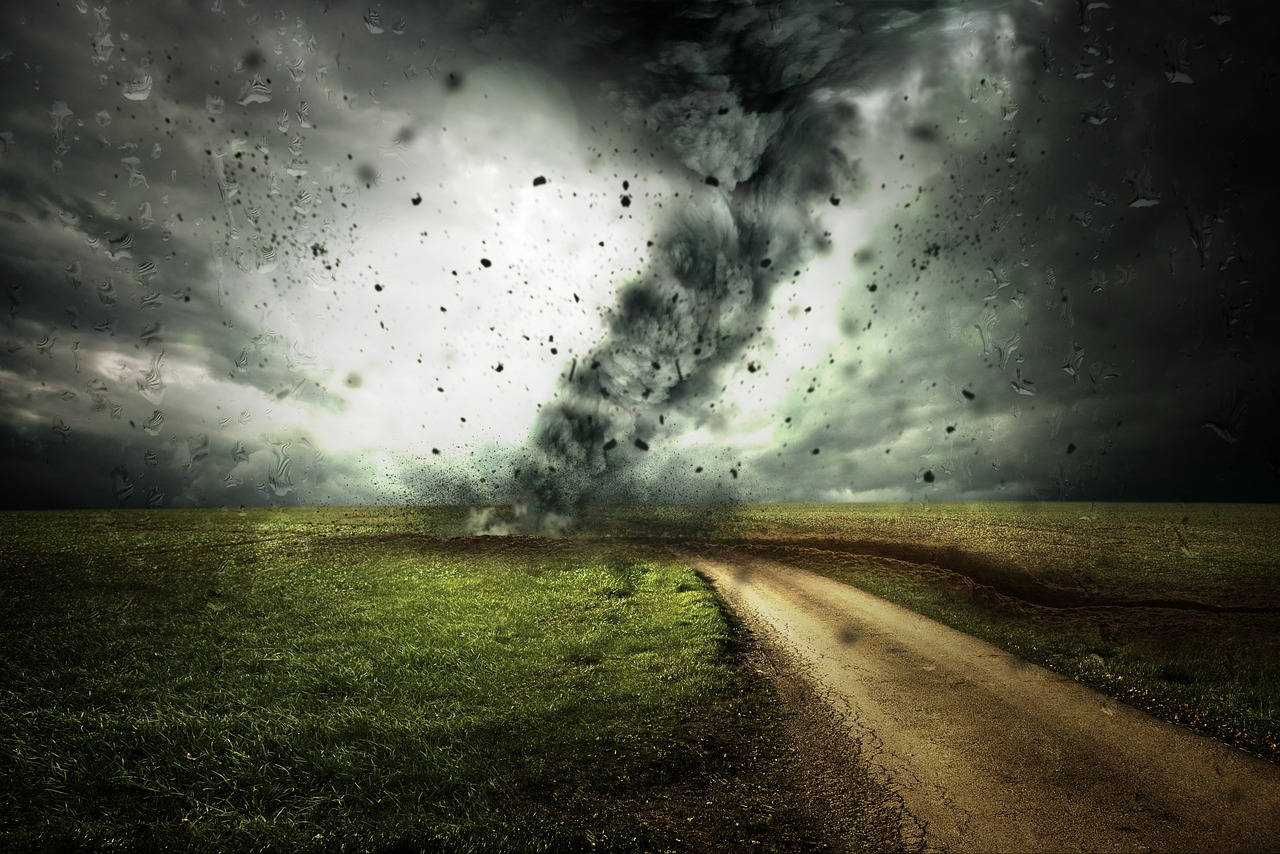
The line between "those crazy preppers" and "prudent Americans" has never been blurrier.
Once relegated to the fringes of society, preparedness has undergone a remarkable transformation, emerging as a rational response to an increasingly unpredictable world. Recent studies show that approximately 23 million Americans now identify as preppers, or about 1 in 16 people across the country.
"Beyond the dedicated prepper community, nearly three-quarters of Americans have done at least something to get ready for emergencies, whether that's storing extra water or keeping flashlights handy," says Max 2 You Media, which recently collaborated with a group of preppers to create .
What's driving this shift? Max 2 You Media says the convergence of climate instability, economic uncertainty, geopolitical tensions, and technological vulnerabilities has created ideal conditions for preparedness to flourish.
"Add in the fresh memories of empty store shelves during COVID-19, and suddenly having extra supplies doesn't seem so extreme. The combination of these factors has transformed prepping from a fringe hobby into something that looks increasingly like common sense," it adds.
Forget the stereotypical image of the isolated survivalist in a remote cabin. Today's prepper looks remarkably... normal. The data paints a picture vastly different from popular media portrayals: 90.5% of preppers live in metropolitan areas, not rural hideaways. While 73.4% own their homes, apartment dwellers represent the fastest-growing segment in the preparedness community, proving that prepping isn't just for those with land and bunkers.
Perhaps most surprising is the generational shift. Approximately 40% of both Millennials and Gen Z identify as preppers, compared to just 20% of Gen X and Boomers. This younger demographic brings different priorities, often focusing more on climate resilience and sustainable preparedness rather than traditional scenarios like economic collapse or civil unrest.
The prepper community is diversifying rapidly. Women now make up a significant and growing portion of the movement, bringing perspectives that often emphasize community resilience and practical everyday readiness. Minorities and climate-focused progressives are also adopting preparedness, reshaping product demands and community discussions.
This diversification has had profound effects on how preparedness is practiced. The emphasis has shifted from preparing solely for societal collapse to building resilience against disruptions that feel increasingly likely: extreme weather, supply chain failures, power grid vulnerabilities, and economic instability.
Contrary to popular belief, most preppers aren't hoarding decades worth of food or building underground bunkers. The vast majority focus on practical preparations: a reasonable supply of shelf-stable food, water filtration capabilities, alternative power sources, medical supplies, and practical skills development.
The guiding philosophy isn't paranoia but just having enough to weather disruptions without becoming a burden on others. The classic prepper mantra of "two is one, one is none" emphasizes redundancy in critical systems, not excess. Most preppers start small, gradually building their supplies and skills over time rather than making massive investments all at once.
Beyond material preparations, today's preppers place heavy emphasis on skills. First aid training, home repair, food preservation, alternative cooking methods, and basic navigation consistently rank among the most valued preparedness skills.
This focus on self-reliance has made preppers early adopters of resilient technologies like solar power, rainwater harvesting, and efficient food storage methods.
Perhaps the biggest shift in modern prepping is the move away from the lone wolf approach toward community resilience. Most seasoned preppers recognize that surviving major disruptions requires community support, specialized skills beyond what any individual can master, and social connections that provide mutual aid.
Climate change has moved from abstract future threat to present reality for millions of Americans. Record-breaking hurricanes, unprecedented flooding, destructive wildfires, and extended power outages from extreme weather have created first-hand experiences with system failures.
Climate-driven disasters have effectively converted skeptics into preparedness advocates after they experience their first major outage or evacuation.
The pandemic exposed the fragility of just-in-time inventory systems and global supply chains. Empty shelves, months-long waits for basic goods, and inflation-driven price increases have taught harsh lessons about dependency on complex systems. Financial instability concerns, from bank failures to market volatility, have further driven interest in tangible preparations.
Many new preppers cite economic uncertainty as their primary motivation. Having lived through pandemic shortages, they're determined not to be caught unprepared again, viewing modest stockpiles as a form of practical insurance against disruption.
Disaster after disaster has demonstrated that even in the United States, government assistance during emergencies is often delayed, disorganized, or insufficient. FEMA's own guidance recommends households be self-sufficient for at least 72 hours, a timeframe many experienced preppers consider wildly optimistic for major events.
This reality check has motivated pragmatic Americans across the political spectrum to take preparedness into their own hands, viewing it not as rejection of collective support but as recognition of its practical limitations. The mantra among experienced preppers remains consistent: help may be coming, but rarely as quickly as needed.
Our increasing dependence on interconnected technological systems creates new vulnerabilities. From banking to healthcare to basic utilities, critical infrastructure now relies on networks vulnerable to disruption from cyberattacks, solar flares, or simple technical failures.
This awareness has driven interest in analog backups and resilient systems: paper records, cash reserves, manual tools, and skills that don't require constant connectivity. Many preppers adopt hybrid approaches that use technology while maintaining functional alternatives.
The mainstreaming of preparedness is reflected in the growth of the industry supporting it.
The U.S. survival tools segment alone is valued at $1.33 billion in 2024, with projected annual growth of 8%. American households now spend approximately $11 billion yearly on preparedness products and services, while the broader U.S. disaster-preparedness market is estimated at approximately $70 billion annually.
Major retailers have noticed this trend. From Costco's emergency food buckets to Walmart's preparedness sections, big box stores now openly cater to readiness concerns. What was once primarily sold through specialty outlets has gone thoroughly mainstream.
More telling than the commercial growth is the normalization of preparedness conversations. Community emergency response teams, neighborhood resilience groups, and preparedness workshops are increasingly common in suburban and urban settings. Social media groups dedicated to practical, non-extremist preparedness count millions of members.
As uncertainties mount across multiple fronts, the question increasingly isn’t whether preparedness makes sense, but rather what level of readiness fits your situation. For a growing number of Americans, the answer involves at least some degree of self-sufficiency and planning for disruption.
"The shift from fringe to mainstream hasn't changed the core message: hope for the best, but prepare for challenges," says Max 2 You Media. "In an era of increasing uncertainties, that message sounds like simple common sense."
For those looking to get into prepping, Max 2 You Media has published a no-fluff handbook that introduces newcomers to prepping with practical tips they can implement without disrupting their daily routines.


