Effective preparation for disasters requires analyzing threats based on probability, severity, and location. Learn how to build customized kits addressing your specific vulnerabilities, and consider how emergencies can trigger cascading effects when creating your strategy.
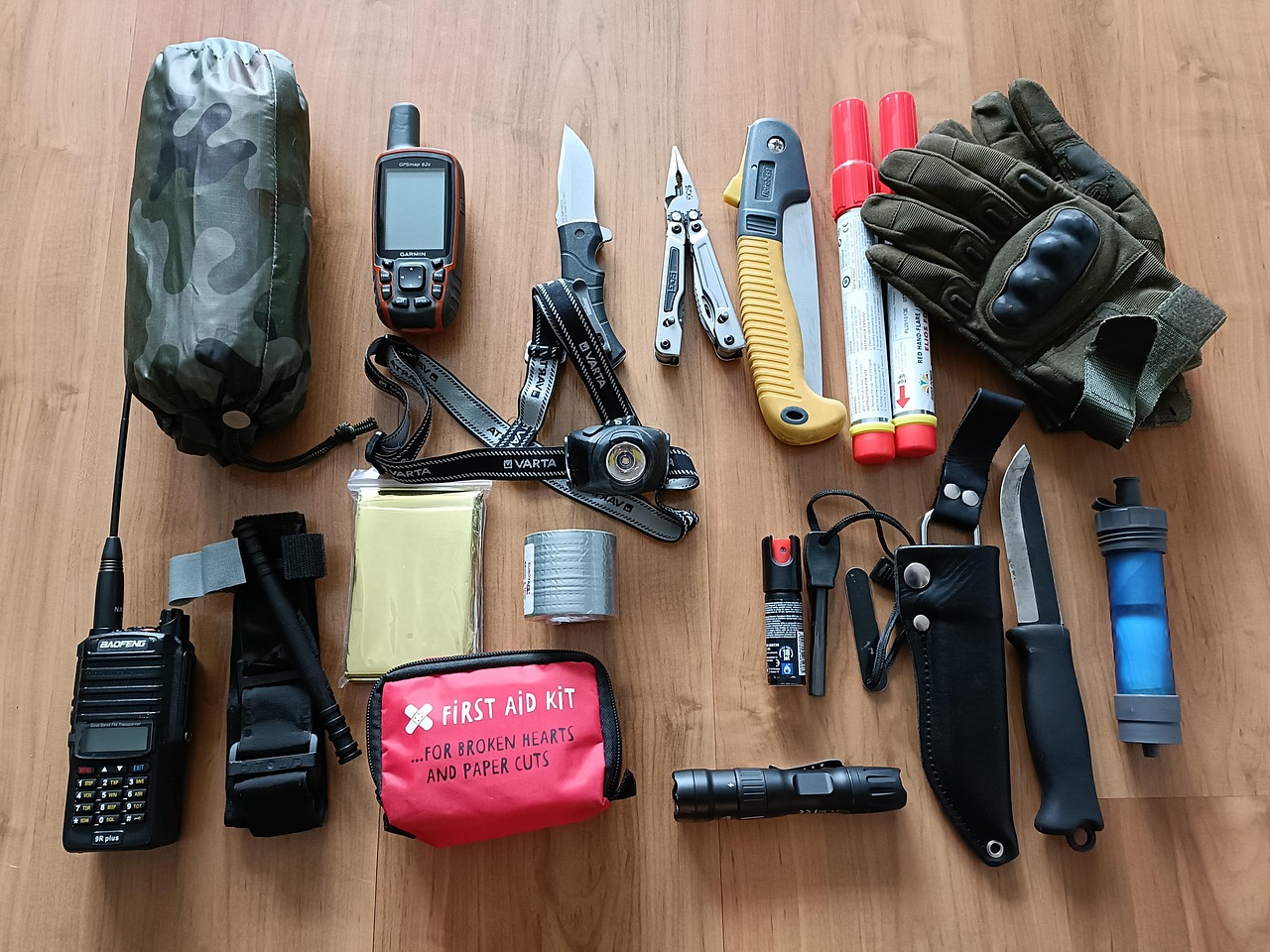
When disaster strikes, the difference between panic and prepared action often comes down to one critical factor: whether you've conducted a proper risk analysis before creating your survival plan. Many preppers mistakenly prepare for dramatic but unlikely scenarios while overlooking the everyday threats that pose the greatest danger.
The truth is, not all emergencies are created equal. House fires and home invasions score a 9/10 on the risk scale for most people, making them far more likely than the apocalyptic scenarios often discussed on survival forums. Yet these common threats often receive less attention in preparedness planning.
Survival experts at believe survival preparation should be rational, personalized, and based on real risk assessment rather than fear. This approach is what they call survival variable construction.
Risk assessment isn't just about listing possible disasters. It's about calculating which ones present the greatest threat to you specifically. This calculation involves two primary factors: probability and severity.
Probability represents how likely an event is to occur in your specific location and situation. For example, if you live in Oklahoma, tornado risk is high, but tsunami risk is essentially zero. Severity measures the potential impact if that event does occur.
The formula is simple: Risk = Probability × Severity
This means a moderate-impact event with high probability (like a winter power outage) might deserve more preparation than a catastrophic but extremely unlikely event (like an EMP attack).
National statistics can be misleading when determining your personal risk. Your geographic location dramatically impacts which threats you're most likely to face. Someone living in California faces different primary threats than someone in Florida or Michigan.
I recommend creating a personalized threat matrix by:
This localized approach provides a much more accurate picture of your true risk landscape than national averages.
Beyond external threats, your personal circumstances significantly affect your risk profile. Consider these factors when assessing your vulnerabilities:
Your strengths matter just as much. Perhaps you have medical training, wilderness skills, or community connections that enhance your resilience. These factors should influence how you prioritize your preparations.
One of the most challenging aspects of risk assessment is balancing high-probability/low-impact events against low-probability/high-impact ones. While a house fire is more likely than a regional disaster, a major earthquake or hurricane could disrupt your life for months or years.
The solution isn't choosing one over the other but creating layered preparations that address both. Start with the basics that cover everyday emergencies, then gradually expand your preparations to address less likely but more severe scenarios.
Most people are surprised to learn that house fires and home invasions rank as 9/10 on the risk scale, making them the most likely emergencies you'll face. This isn't fearmongering—it's statistical reality.
According to the American Red Cross, your number one risk is a house fire. The average person will experience approximately five house fires in their lifetime, with one in four being serious enough to require reporting. These fires cause billions in property damage annually and claim thousands of lives.
Home invasions similarly represent an everyday threat with potentially devastating consequences. The psychological impact alone can be traumatizing, even if property is the only thing damaged. Basic security measures like improved door locks, motion-sensing lights, and a simple home security system provide tremendous return on investment.
After addressing everyday risks, turn your attention to the natural disasters most likely in your region. Depending on your location, these might include:
Each of these requires specific preparation strategies. Hurricane preparation differs significantly from earthquake readiness. Research the most common natural disasters in your area and develop targeted plans for each one.
Modern society relies on complex, interconnected systems that can fail unexpectedly. Recent events have shown how quickly supply chains can collapse, leading to shortages of essential goods.
Cyber attacks have emerged as a serious threat (risk level 8/10) that can disable critical infrastructure and disrupt financial systems. Power grid failures, communication outages, and water system breakdowns also fall into this category.
These scenarios require different preparations than natural disasters. Focus on self-sufficiency: water storage, alternative energy sources, shelf-stable food supplies, and physical cash reserves.
While low-probability events shouldn't be your first preparedness priority, some catastrophic scenarios warrant consideration after you've addressed more likely threats.
Pandemics (risk level 4/10), nuclear incidents (risk level 2/10), and electromagnetic pulse events (risk level 1/10) all have the potential for widespread societal disruption. Basic preparations for these scenarios often overlap with preparations for more common emergencies, allowing you to achieve "all-hazards" readiness without duplicating efforts.
Rarely does a single emergency occur in isolation. More often, one crisis triggers a cascade of secondary problems. Understanding these connected effects is crucial for comprehensive preparation.
Power outages demonstrate this principle perfectly. When electricity fails, you immediately lose:
Each of these secondary effects creates its own challenges. A comprehensive emergency plan anticipates these cascading failures and prepares accordingly.
When disasters strike, supply chains quickly break down. We witnessed this during recent global events when even basic items became scarce. Just-in-time inventory systems, while efficient, leave little buffer when disruptions occur.
In a regional emergency, expect:
These cascading effects explain why short-term emergencies often evolve into long-term challenges. Your preparations should account for these extended timelines rather than the initial emergency period alone.
As emergencies extend beyond a few days, social dynamics change. While community cooperation often emerges, security concerns can also arise, particularly in urban areas or during widespread disasters.
Extended power outages disable security systems and may embolden opportunistic crime. Resource scarcity can lead to conflict. Law enforcement may be overwhelmed responding to the primary emergency, reducing their ability to address secondary issues.
Preparation for these security concerns doesn't necessarily mean stockpiling weapons. Often, the best security measures are preventative: maintaining a low profile, forming community bonds before disasters occur, and having enough resources to avoid desperate situations.
Before purchasing a single piece of gear, conduct a thorough personal risk inventory. This process transforms generic preparedness advice into a customized strategy that addresses your specific circumstances.
Start by listing the 5-7 most likely emergencies you might face, based on your geographic location and personal situation. For each scenario, identify:
This inventory becomes the foundation for your variable construction strategy, ensuring your kit addresses actual rather than hypothetical needs.
With your personal risk inventory complete, it's time to select gear that addresses your highest-priority threats. The key is to focus on multi-purpose items that serve multiple functions across different scenarios.
The 10 essential categories for any survival kit provide a framework for this selection process:
Within each category, prioritize items that address your highest-risk scenarios first. For example, if you live in a flood-prone area, waterproof containers and elevated storage for your supplies become essential.
One size does not fit all when it comes to emergency preparedness. Rather than building a single massive kit, consider creating modular components that can be combined as needed.
This modular approach might include:
Each module should be self-contained but designed to work with other components of your system. This approach provides flexibility while avoiding unnecessary duplication.
For example, your home kit might contain a large water filter, while your bug-out bag contains a portable version. Both serve the same function but are scaled appropriately for different scenarios.
Some essential items cannot be permanently packed in an emergency kit because you use them daily. Others may be seasonal or situation-dependent. A well-organized last-minute items list ensures you don't forget these critical supplies during an evacuation.
Attach this list to your emergency kits and post copies in visible locations. Items commonly found on these lists include:
Consider using resealable waterproof bags or containers near your exit to gather these items quickly. Practice regularly so the process becomes second nature.
The journey from risk analysis to implementation can feel overwhelming, especially for beginners. Break the process into manageable steps:
Don't fall into the trap of analysis paralysis. It's better to have basic preparations for your most likely emergencies than comprehensive plans that never get implemented.
Preparedness is ultimately about resilience—the ability to adapt and thrive despite challenges. By understanding your unique risk profile and building personalized preparations,you create that resilience for yourself and your loved ones.


