Once considered a fringe activity associated with conspiracists, prepping is now practiced by over 20 million Americans. In this article, we discuss the factors that led to this massive shift.
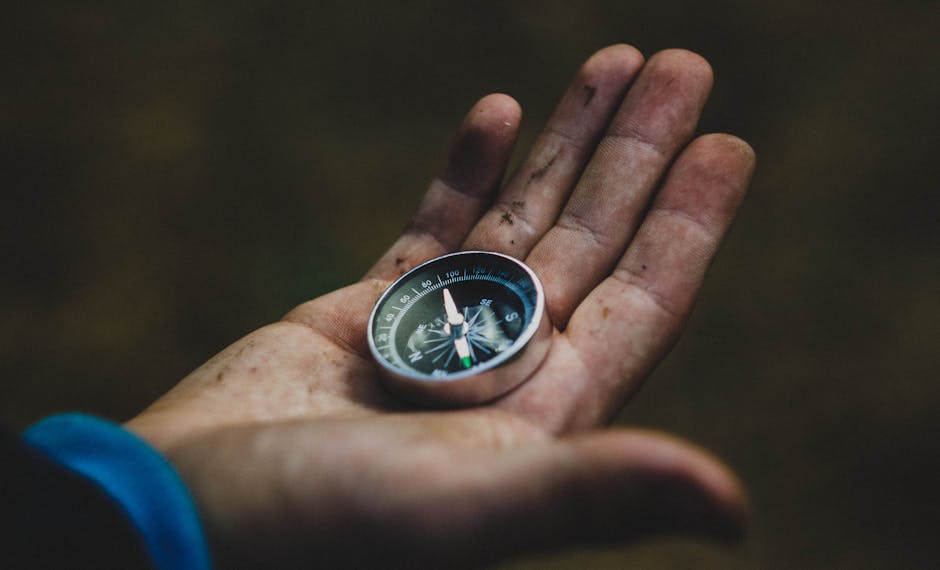
Prepping is no longer just for doomsday bunker enthusiasts. What was once considered unusual behavior has transformed into a practical movement embraced by millions of Americans from all walks of life. Recent research shows the number of preppers has doubled since 2017, growing to about 20 million people nationwide. This dramatic shift reflects a broader understanding that being prepared for disruptions isn’t paranoid but simply prudent.
Max 2 You Media has noticed this transformation as more everyday citizens look for reliable resources to become self-sufficient during emergencies, giving the company the push to publish .
“The reality is simple: government and industry systems occasionally fail, leaving individuals to fend for themselves during critical periods,” it says. “With our latest publication and this article, we want to share our passion for prepping with those who are still on the fence about this once-niche activity that’s unfortunately becoming a necessary skill.”
The prepper community has undergone a remarkable evolution in recent years. What was once dominated by certain political groups has diversified to include people across the spectrum. Today's preppers include suburban families, urban professionals, environmentalists, and minorities, all united by a desire to be self-reliant when systems fail.
This diversification reflects changing perceptions about preparedness. Rather than being viewed as paranoid behavior, prepping is increasingly recognized as a practical response to legitimate concerns. The movement has shed much of its extremist reputation and emerged as a mainstream approach to personal and family security.
Several significant events have fueled the growth of the prepper movement. The COVID-19 pandemic exposed the fragility of supply chains when grocery store shelves emptied overnight. The 2021 Texas power grid failure left millions without electricity during freezing temperatures. Recent AT&T mobile outages reminded us how quickly communication systems can collapse.
Different motivations drive people toward preparedness:
Regardless of what brings someone to prepping, the benefits extend beyond emergency scenarios. Learning self-sufficiency builds confidence, reduces waste, and creates stronger communities.
Not everyone can move to a rural homestead with acres of land. Urban preppers face unique challenges but have created innovative solutions for small-space readiness. Apartment dwellers use vertical gardening techniques, implement space-efficient food storage methods, and create bug-out plans specific to high-density environments.
As extreme weather events become more frequent and severe, a growing segment of preppers is focusing specifically on climate resilience. People motivated by climate change often take up homesteading, growing their own food and relocating to more climate-proof areas. These individuals typically combine traditional homesteading skills with modern sustainability practices.
Families with children represent one of the fastest-growing segments of the prepper community.
Family preparedness centers around practical considerations like age-appropriate emergency skills for children, meeting special needs during disruptions, and maintaining communication during separation scenarios. Many parents view preparedness as an extension of responsible parenting, teaching children self-reliance while ensuring they have the supplies and skills needed to weather unexpected events.
The human body can survive weeks without food but only days without water. This makes water procurement and purification perhaps the most critical prepping skill. Understanding multiple methods of water purification provides flexibility during different emergency scenarios.
Modern preppers invest in quality water filtration systems that were prominently displayed at recent prepper shows. These range from portable personal filters to comprehensive household systems capable of removing contaminants, pathogens, and chemicals. Beyond equipment, developing the knowledge to identify safe water sources in your environment and proper storage techniques to prevent contamination are equally important skills.
Food security remains a cornerstone of preparedness. Modern food storage has evolved far beyond stockpiling canned goods, though those remain valuable components of any prepper pantry.
Comprehensive food preparedness includes rotating pantry systems to prevent waste, utilizing long-term storage solutions like freeze-dried and dehydrated foods, and developing food preservation skills such as canning, fermenting, and dehydrating. The goal isn't just accumulating calories but ensuring proper nutrition during extended emergencies.
During disasters, medical systems become overwhelmed or inaccessible. Basic medical knowledge and supplies enable self-sufficiency when professional care isn't immediately available. At recent prepper shows, trauma medical kits were among the most popular items, containing supplies specifically designed for treating serious injuries when hospital access is limited.
These medical kits go far beyond basic bandages, containing specialized trauma supplies for treating serious injuries. Every prepper should have at least basic first aid training, with many pursuing additional certifications in wilderness medicine or emergency response. Knowledge of how to use medical supplies effectively is just as important as having them on hand.
Modern life depends heavily on electricity. When the grid fails—as it did catastrophically during the 2021 Texas winter storm that left millions without power—having alternative power sources becomes crucial. Power independence doesn't necessarily mean going completely off-grid, but rather having backup systems to maintain essential functions.
Power preparedness options include:
Effective security preparedness includes home hardening with improved locks and reinforced entries, developing situational awareness skills, learning de-escalation techniques, and maintaining physical fitness. Many experienced preppers emphasize that avoiding conflict altogether is the superior strategy, focusing on threat assessment skills and security plans that prioritize evasion over confrontation when possible.
Being prepared doesn’t mean anticipating an apocalypse. It means recognizing that systems fail, disasters happen, and self-reliance is an essential skill.
“The confidence that comes from self-reliance reduces anxiety and creates peace of mind in an increasingly unpredictable world,” says Max 2 You Media. “Starting your preparedness journey doesn’t require radical lifestyle changes or a major financial commitment. It begins with awareness, education, and building skills step by step.”
For expert guidance on beginning your prepping journey with practical, approachable steps, check out Max 2 You Media’s handbook on essential survival truths, developed by a community of real-life preppers.


