Dental crowns carry high costs due to the materials, clinical labor, laboratory fabrication, and insurance limitations involved, which are factors that patients should understand before beginning treatment.
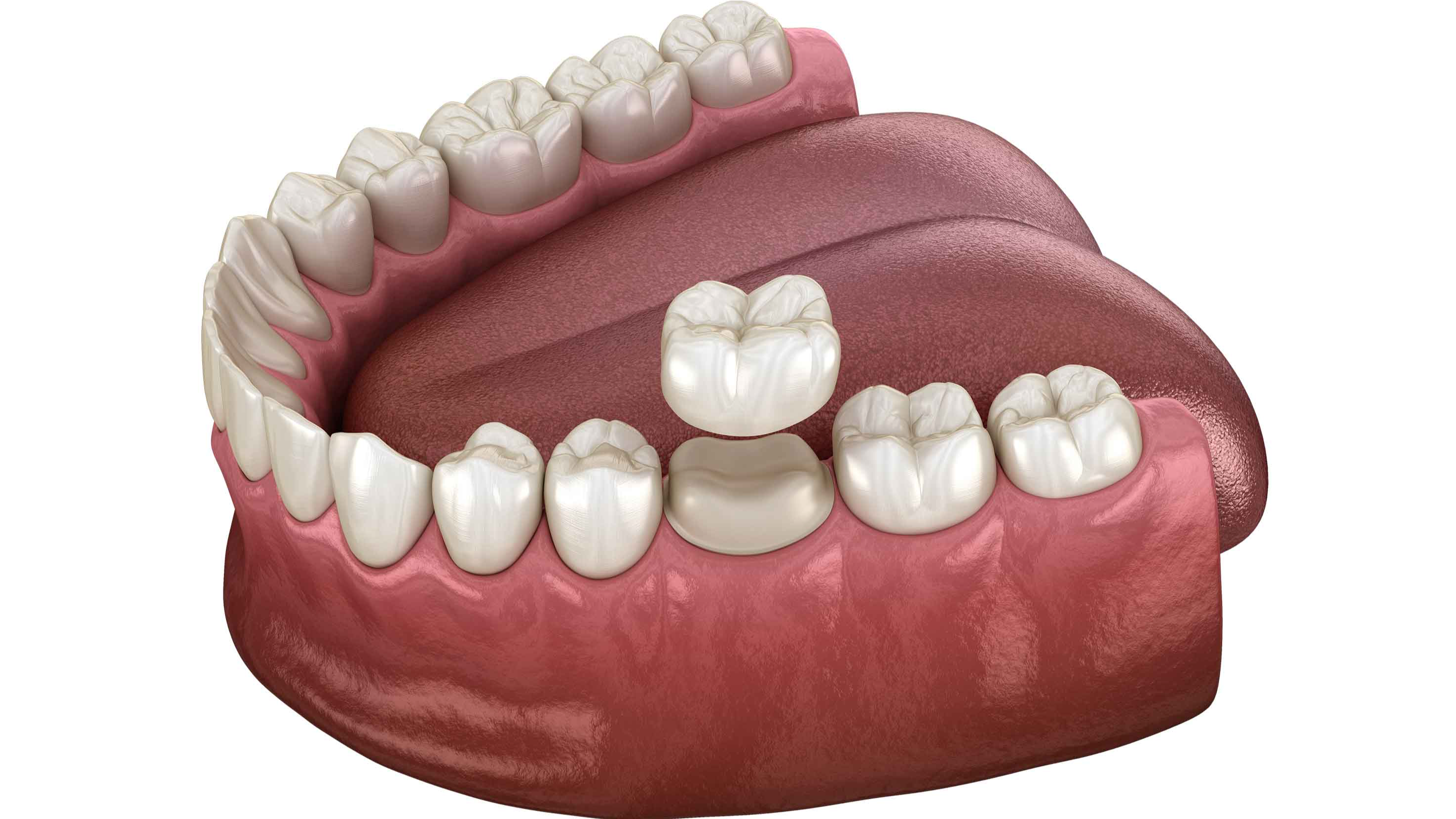
Dental crowns are among the most commonly recommended restorative procedures in dentistry, yet the price tag consistently catches patients off guard. In Texas, most patients pay between $800 and $3,000 for a single dental crown, with the average falling around $1,200 to $1,500 for a porcelain-fused-to-metal option. Understanding what drives that range is useful before any treatment decision is made.
The cost of a crown is not simply the cost of a cap. Dental crowns cost more because they are custom-made restorations that involve clinical time, precise tooth preparation, digital scans or impressions, temporary crowns, and lab fabrication. Each of those steps carries its own cost, and they are all built into the final price quoted by the treating dentist. Patients often see only the procedure itself, not the multiple stages that precede and follow it.
The crown material has the biggest impact on cost. Experts from Benage Dental Care in Cleburne highlight that high-end materials like zirconia or E-Max are more expensive due to their strength and aesthetics, while resin and PFM crowns are more budget-friendly.
To put specific numbers to that: porcelain crowns typically average $1,300 per crown, while porcelain-fused-to-metal options average around $1,100. PFM crowns cost between $800 and $2,000 per tooth, and all-ceramic porcelain crowns can reach $2,500 or more. Each material carries trade-offs between durability, aesthetics, and price, and the treating dentist's recommendation will depend on where the tooth is located and the patient's specific clinical needs.
Two additional variables that patients often overlook are who is placing the crown and where the practice is located. The proficiency of an experienced dentist may result in a higher price, but patients are more likely to receive a lasting crown customized to their oral needs. Dentists with specialized training or extensive experience may charge higher fees for their services, and the complexity of the dental issue being addressed can also play a role, as more intricate cases may require additional time and resources.
Location matters as well. Urban offices with higher overhead charge more, and local economic conditions, cost of living, and the availability of dental materials and technology all contribute to regional price variations. In Texas, this means a crown placed in a Dallas metro practice will typically cost more than the same procedure at a practice in a rural county.
The final bill includes more than just the crown. Initial costs involve an exam and X-rays, and additional procedures like root canals or core build-up can significantly increase the total cost. Additional fees for X-rays, core buildup, or sedation can add $200 to $600 to the overall bill. Patients should ask for a full written breakdown of anticipated costs, including any preparatory procedures, before treatment begins.
Insurance coverage helps, but it has limits. Most dental plans categorize crowns as a major restorative procedure and cover approximately 50% after the deductible is met, subject to an annual maximum that commonly falls between $1,000 and $1,500. If a crown costs $1,400 and insurance covers 50%, the patient may pay around $700, provided they have not reached their annual maximum. But without insurance, the full amount would typically be the patient's responsibility.
For uninsured patients, in-office membership plans, flexible payment arrangements, and strategic material choices are real options for reducing crown costs.
One factor that compounds crown expenses is delayed treatment. Nearly one in four adults in the United States has untreated tooth decay, according to the CDC, and many of those cases eventually require crowns, with waiting only increasing the final bill. A tooth that might require a straightforward crown today may require additional preparatory treatment, such as a root canal or buildup, if left unaddressed.
Patients considering a crown are advised to request a detailed cost estimate, confirm insurance pre-authorization, and ask the treating dentist to explain all anticipated fees before proceeding.


