The kaleidoscope market is exploding, but most collectors don’t know which pieces will actually appreciate in value. Artist reputation matters, but there’s a lesser-known five-tier system that determines whether your kaleidoscope is truly investment-grade.
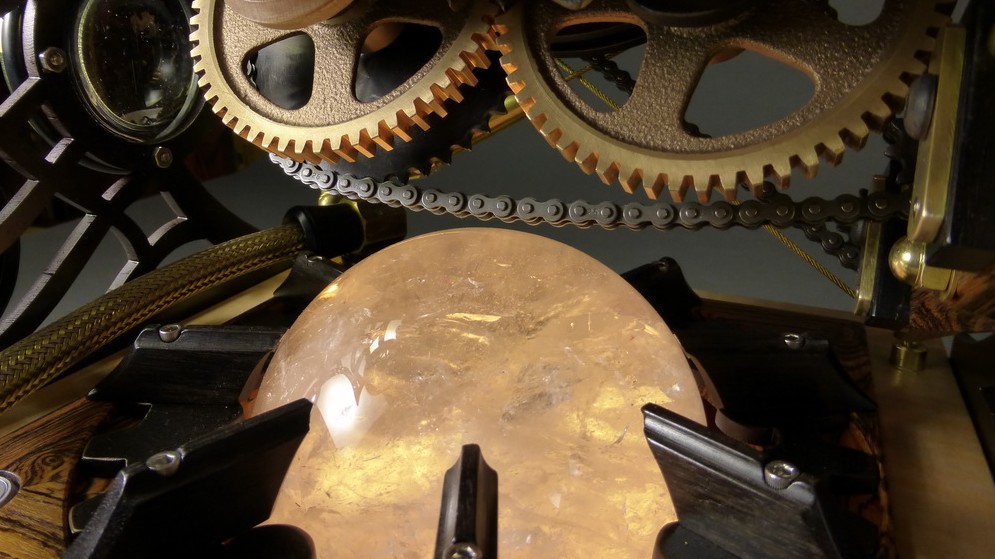
Premium kaleidoscopes have evolved from simple optical toys into sophisticated art investments, with the market experiencing unprecedented growth. Estimates of the kaleidoscope market vary widely across reports, with some projections placing it in the billions, with growth stemming primarily from educational toy demand rather than collector pieces, though premium segments maintain distinct investment characteristics.
Rarity serves as the primary driver of kaleidoscope values, following established art market principles. Contemporary artisans like Steve Gray are creating innovative pieces that blend traditional optics with steampunk aesthetics, demonstrating how technical innovation can elevate a piece's market position. The scarcity principle applies directly to kaleidoscopes, with limited editions commanding premium pricing in secondary markets.
Market value factors extend beyond simple production numbers. Artist recognition, exhibition history, and technical complexity create a valuation matrix that sophisticated collectors use to assess investment potential. Pieces that demonstrate optical innovation, such as two-mirror systems with multiple viewing capabilities, often achieve higher valuations due to their enhanced visual complexity and technical achievement.
Industry standards for evaluating artist reputation remain highly relevant for contemporary collectors. Key assessment criteria include the artist's unique vision depth, formal training background, exhibition history, and career progression evidence. Artists who combine multiple technical skills—such as glassblowing, metalworking, and woodworking—often command higher prices due to their multifaceted craftsmanship.
Exhibition history serves as a critical reputation indicator. Artists who have shown work in juried exhibitions, won awards, or gained recognition from established galleries demonstrate market validation that typically translates to stronger secondary market performance. The reputation assessment also considers whether emerging artists have transferred skills from other recognized art forms.
Contemporary market trends show collectors making "safer bets" on artists with established secondary markets, reflecting broader art market preferences for proven performers over speculative investments.
Proper provenance documentation can significantly impact kaleidoscope values, following traditional art market practices. Original purchase documentation, previous ownership by known collectors, or museum deaccession history can add substantial value premiums to pieces.
Documentation requirements include original artist certificates, exhibition catalogs, previous sale records, and condition reports from recognized authorities. Digital documentation has become increasingly important, with high-resolution photographs capturing both exterior craftsmanship and interior optical effects.
Insurance appraisals and professional condition assessments provide additional provenance value, particularly for pieces entering estate sales or major collection dispersals. Collectors building investment-grade collections prioritize acquiring pieces with complete documentation chains.
The broader collectibles market provides important context for kaleidoscope investment potential. Market size estimates vary significantly, with some reports suggesting $320.30 billion while others exceed $600 billion, reflecting different methodologies and category definitions. Regardless of specific figures, the overall growth trajectory indicates strong collector interest in unique art forms and optical instruments.
Kaleidoscopes benefit from their position at the intersection of multiple collecting categories: optical instruments, decorative arts, and contemporary crafts. This cross-category appeal broadens their potential buyer base beyond traditional kaleidoscope-specific collectors, creating additional market demand that supports pricing stability.
Market analysis shows that collectibles with both aesthetic and functional appeal tend to maintain stronger values during economic uncertainties, positioning quality kaleidoscopes as potentially resilient investments.
Recent art market data shows sell-through rates reached a three-year high across art, luxury, design, and decorative arts categories through 2024, with strong momentum continuing into 2025. This market stabilization suggests improved equilibrium between buyers and sellers, creating favorable conditions for kaleidoscope transactions.
Secondary market platforms like eBay show active trading in kaleidoscopes, with artist-signed stained glass pieces listed at prices such as $499.99. Specialty platforms focusing on high-end collectibles, including sites like 1stDibs, regularly feature antique kaleidoscopes from renowned makers like Baird & Tatlock and Charles G. Bush & Co.
True luxury brands and high-end art collectibles often maintain price premiums or sell above retail, particularly for sold-out or limited edition items. This pattern appears consistently in the premium kaleidoscope market, where established artists' limited works frequently exceed original retail pricing in secondary sales.
Market segmentation shows distinct pricing tiers within kaleidoscope collecting. Entry-level contemporary pieces typically start around $200-500, while premium artist works can reach several thousand dollars. Antique pieces from notable historical makers command the highest premiums, often exceeding $5,000 for museum-quality examples.
Premium segment activity demonstrates stronger price stability and appreciation potential. Limited edition pieces by established contemporary artists represent a middle ground, offering investment potential without the extreme pricing of historical rarities.
Active trading occurs across multiple price ranges, with collectors at different investment levels participating in the market based on their collecting goals and financial capacity.
Material quality assessment focuses on both exterior construction and interior components. Premium woods, quality metals, and precision-crafted mechanisms indicate serious artistic intent and typically support higher valuations. Hand-worked elements like custom lampwork glass objects or precision-machined components add value through demonstrated craftsmanship.
Take Steve Gray's recent creation, the "Pegascoptylus". This example combines all of the above elements to showcase the kaleidoscope as a part of a larger system, rather than a standalone hand-held object. It also expands the definition of what collectors might look for when researching pieces, opening a market that is rapidly growing in popularity among niche hobbyists.
Construction quality affects both immediate viewing experience and long-term durability. Pieces built with proper joinery, quality finishes, and robust mechanical systems maintain their value better than those showing construction shortcuts or material compromises.
Integration of multiple artistic disciplines—woodworking, metalworking, glassmaking—within a single piece demonstrates multifaceted skill that collectors recognize and value accordingly.
Artist signatures and edition documentation provide authentication that directly impacts market values. Signed pieces typically command 20-40% premiums over unsigned works, reflecting the importance of verified authorship in art markets.
Limited edition numbering creates artificial scarcity that collectors value. According to Gibson's rarity scale, pieces with 11-25 examples qualify as "scarce," 6-10 pieces as "rare," and 2-5 pieces as "very rare," with unique one-of-a-kind pieces achieving the highest rarity designation.
Documentation of edition limits through artist certificates, gallery records, or published catalogs provides verification that supports premium pricing in secondary markets.
Effective kaleidoscope investment requires systematic market research using multiple online platforms. eBay completed sales provide real-world pricing data, while specialty auction sites offer insights into premium segment performance. Comparing similar pieces across platforms reveals pricing patterns and market trends.
Professional collector websites offer valuation resources including price guides, recent sales data, and condition assessment criteria. These specialized resources provide more accurate pricing information than general collectibles databases.
Social media groups and collector forums provide informal market intelligence about emerging artists, pricing trends, and collection dispersals that may not appear in formal marketplace listings.
Systematic collection management requires detailed documentation of each piece including purchase price, condition assessment, provenance records, and insurance valuations. Digital photography should capture both exterior beauty and interior optical effects for insurance and resale purposes.
Regular condition monitoring ensures pieces maintain their investment value over time. Environmental factors like humidity, temperature fluctuations, and direct sunlight can affect both exterior finishes and interior optical components.
Insurance coverage specific to art collectibles protects investment value while providing professional appraisal services that establish current market values for collection planning purposes.
Collectors aged 30-45 now represent nearly one-third of global high-net-worth art spending, bringing distinct preferences to kaleidoscope collecting. This demographic prioritizes digital-first buying experiences, detailed online documentation, and transparent pricing information.
Digital-native collectors expect high-quality photography, video demonstrations of optical effects, and detailed technical specifications before making purchase decisions. Artists and dealers who provide detailed online presentations gain competitive advantages with this influential buying group.
Cross-category collecting behaviors among this demographic mean kaleidoscope investors often maintain diverse art portfolios, bringing sophisticated valuation approaches from other collecting areas.
Contemporary collectors increasingly view art as both cultural capital and impact investment, creating opportunities for emerging kaleidoscope artists who demonstrate innovation and craftsmanship excellence. Early identification of promising artists can yield significant returns as their reputations develop.
Emerging trends include integration of digital elements and augmented reality features that enhance traditional optical experiences. Artists who successfully blend traditional craftsmanship with contemporary technology may attract premium valuations from forward-thinking collectors.
Investment strategies focusing on emerging artists require careful evaluation of technical skills, artistic vision, and market development potential rather than established track records.
Building your collection will require balancing personal aesthetic preferences with objective market analysis. Start with pieces that create genuine emotional connections while meeting established quality criteria for artist reputation, technical excellence, and condition standards.
Regular market monitoring through multiple information sources helps identify trends, pricing opportunities, and collection building strategies. Maintain detailed records of all acquisitions including purchase documentation, condition assessments, and market comparables for future reference.
Focus on pieces with complete provenance documentation, verified artist signatures, and clear condition assessments. Priority should be given to works that demonstrate technical innovation, artistic excellence, and investment-grade materials that support long-term value appreciation.
Market timing considerations include seasonal patterns, artist career developments, and broader economic factors that influence collector spending patterns. Patient collectors who build positions systematically over time often achieve better results than those making rushed purchase decisions.


