If you’re over 65, there’s a surprising reason why recumbent bikes might be the only cardio equipment you should use… and it has everything to do with what’s happening to your spine right now.
Back pain is a common concern for seniors, with prevalence rates ranging from 21% to 75% at some point, and chronic back pain affects around 45.6% of those aged 65 and older. This makes exercise selection crucial for maintaining fitness without aggravating existing conditions. But the right equipment can turn a painful workout into a comfortable, therapeutic experience that actually helps improve spinal health over time.
Recumbent bikes represent a breakthrough in spine-friendly exercise equipment, totally changing how seniors approach cardiovascular fitness. Unlike traditional upright bikes that force riders into compromising forward positions, recumbent designs prioritize spinal alignment from the ground up.
The engineering behind these bikes centers on biomechanical principles that orthopedic specialists have long advocated. When seated in a recumbent position, the spine maintains its natural curves without the compression forces that typically occur during upright cycling. This positioning significantly reduces intradiscal pressure compared to seated upright positions.
For seniors dealing with degenerative disc conditions or chronic lower back pain, this pressure reduction translates into immediate comfort improvements. Physical therapy programs frequently incorporate recumbent cycling because the equipment allows muscles to relax while still providing effective cardiovascular conditioning.
The reclined seating position creates an angle that naturally opens up the hip flexors while supporting the entire length of the spine. This positioning minimizes disc pressure while maintaining pedaling efficiency.
Unlike upright positions that can compress vertebrae and increase pressure on nerve roots, the reclined design allows gravity to work with the body's natural alignment. The thoracic and lumbar regions receive continuous support, preventing the micro-movements that often trigger pain flares in sensitive backs.
Medical professionals note that this positioning particularly benefits seniors with conditions like lumbar spinal stenosis, where nerve compression causes pain during upright activities. The reclined angle keeps the spinal canal more open, reducing symptom triggers during exercise.
Premium recumbent bikes feature multiple backrest adjustment points, allowing users to fine-tune their seating position based on individual spinal curvatures and comfort preferences. These adjustments accommodate various body types and medical conditions.
The ability to modify backrest angle becomes crucial for seniors with specific diagnoses. Those with forward head posture may benefit from a more upright setting, while individuals with lumbar lordosis might prefer increased recline. Quality bikes offer incremental adjustments rather than preset positions, ensuring precise customization.
Traditional upright bikes concentrate body weight on a small saddle area, creating pressure points that can lead to discomfort and poor posture compensations. Recumbent designs spread weight across the entire back surface and a generously sized seat, eliminating hotspots and pressure concentrations.
This weight distribution principle goes way beyond comfort. It actively promotes better circulation and reduces the risk of numbness or tingling that often forces workout interruptions. The larger contact area means lower pressure per square inch, following the same principles used in medical pressure-relief surfaces.
For seniors with circulation issues or diabetes, this even distribution is medically significant. Reduced pressure points mean better blood flow to extremities and decreased risk of skin breakdown during extended exercise sessions.
Herniated discs create specific challenges for exercise selection, as certain movements can exacerbate nerve compression and increase pain levels. Recumbent cycling addresses these concerns through controlled, low-impact motion that maintains disc hydration without harmful compression forces.
The pedaling motion promotes gentle spinal mobility while avoiding the jarring impacts associated with walking or running on hard surfaces. Research indicates that controlled, repetitive movements like cycling can actually help improve disc nutrition through enhanced fluid exchange mechanisms.
Osteoarthritis affects more than 30 million US adults, with the spine being a common location for degenerative changes. The smooth, circular motion of recumbent cycling provides joint mobility benefits without the high-impact stress that can worsen arthritic symptoms.
The controlled range of motion helps maintain hip and knee flexibility while strengthening the supporting musculature around arthritic joints. Unlike exercises that involve sudden direction changes or impact loading, recumbent cycling allows consistent, predictable movement patterns that arthritic joints can accommodate.
Fall prevention is a critical consideration in senior fitness equipment selection, as fall-related injuries account for significant morbidity in older populations. Recumbent bikes address this concern through fundamental design principles that prioritize stability.
The seated position places the rider's center of gravity much lower and closer to the ground compared to upright bikes. This configuration makes it virtually impossible to tip over or lose balance during normal operation. The wide wheelbase and low step-through design further enhance stability.
Upright cycling often forces riders into hunched positions that can strain the neck, shoulders, and upper back. This forward flexion becomes particularly problematic for seniors who may already struggle with postural changes related to osteoporosis or muscle weakness.
Recumbent positioning eliminates the need for forward lean, allowing the shoulders to remain in a neutral position against the backrest. This posture prevents the upper cross syndrome pattern that commonly develops from prolonged forward head positions.
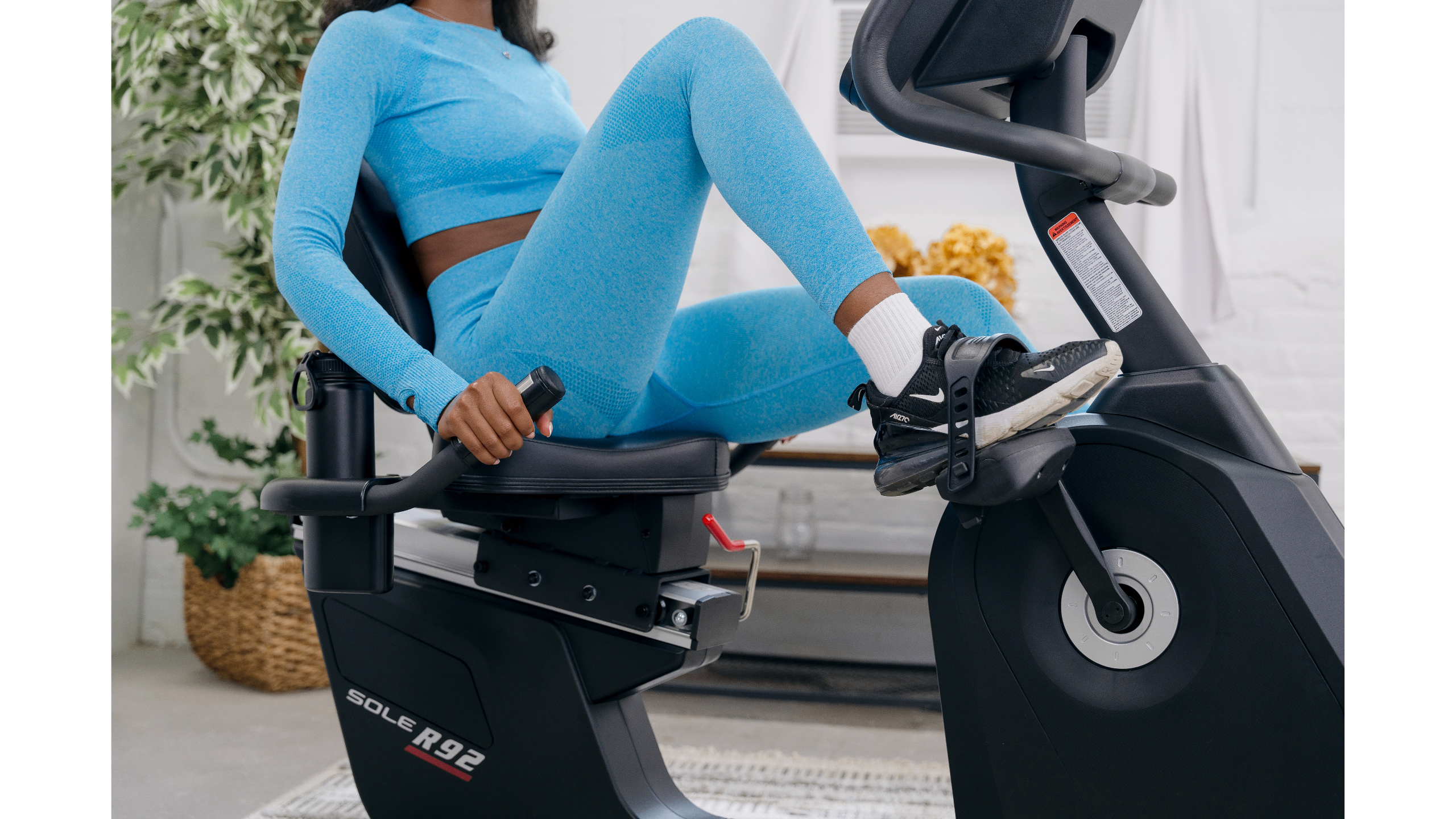
The SOLE R92 recumbent bike incorporates specific design elements that address the unique needs of seniors with back concerns. The adjustable lumbar support system allows for precise positioning that accommodates various spinal conditions and personal comfort preferences.
Quality construction features include a heavy-duty steel frame that provides rock-solid stability during use, eliminating any wobbling or flexing that might compromise the supportive benefits. The oversized seat cushioning uses durable materials designed to maintain shape and support even during extended use.
Built-in heart rate monitoring ensures that seniors can exercise safely within recommended zones while the whisper-quiet operation allows for comfortable home use without disturbing others. The intuitive console panel features large displays that seniors can operate with ease - and the manufacturers have developed the design with the elderly in mind.


