If you’re a manufacturing operations manager stuck between aging production systems and modern ERP demands, you’re not alone—and a complete system overhaul might not be necessary. One automotive company cut inventory costs by 15% using a strategic bridge approach that preserved their legacy infrastructure.
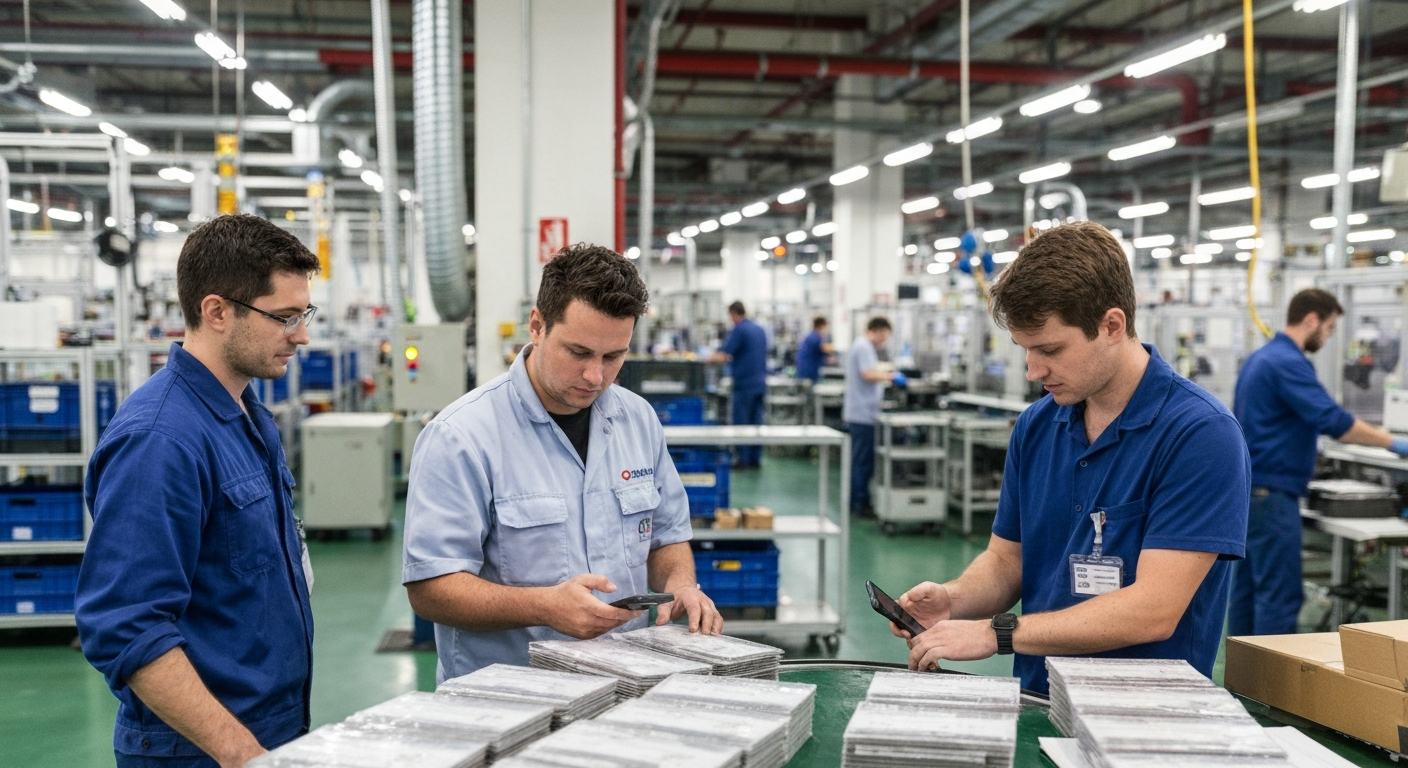
Despite ongoing digital transformation across the manufacturing sector, paper-based reporting remains common on factory floors. Production teams often use paper checklists, inspection sheets, and handwritten production logs to document daily activities such as equipment checks, safety inspections, and quality control processes.
Paper reporting persists largely because it is simple to implement and requires little technical setup. Workers can quickly fill out forms while performing tasks, and paper checklists have long been part of standard manufacturing procedures.
However, these familiar processes introduce operational limitations. Paper forms must often be manually entered into spreadsheets or ERP systems later, creating delays between when production events occur and when managers can analyze the data. During this lag time, operational issues such as equipment failures, quality deviations, or inventory discrepancies may go unnoticed.
For manufacturing operations managers responsible for maintaining production efficiency, this delay can make it difficult to respond quickly to problems that affect productivity and product quality.
Manual reporting processes can create several challenges that impact manufacturing performance. One of the most common issues is data accuracy. Handwritten reports may be difficult to read or incomplete, and manual data entry introduces opportunities for transcription errors.
Paper processes also slow the flow of information across the organization. When reports must be physically collected, reviewed, and entered into digital systems later, production data may not reach decision-makers until hours or even days after events occur.
This delay can affect multiple operational areas:
These challenges make it difficult for manufacturers to maintain consistent visibility into daily operations.
Manufacturing apps provide a practical way for operations teams to digitize existing paper workflows while maintaining the structure of familiar reporting processes.
Instead of filling out paper forms, workers can complete digital versions of inspections, audits, and production reports using mobile devices such as tablets or smartphones. These apps guide workers through the same procedures as paper forms while capturing the information digitally.
Typical shop floor workflows that manufacturers digitize include:
Digital forms allow workers to capture additional data during these activities. For example, employees can attach photos of equipment conditions, scan barcodes on parts or materials, record timestamps automatically, or capture digital signatures.
Because the data is collected electronically, it can immediately flow into enterprise systems such as ERP platforms.
One of the primary advantages of manufacturing apps is their ability to connect shop floor data directly with ERP systems. Instead of waiting for manual data entry, operational information captured during inspections or production reporting can automatically synchronize with enterprise systems.
This connection improves the speed and accuracy of reporting across the organization.
Production managers can monitor operational performance using up-to-date information rather than relying on delayed reports. Quality teams gain earlier visibility into potential product issues. Maintenance teams can identify equipment problems sooner and schedule repairs before failures occur.
When shop floor data flows directly into ERP systems, organizations can improve:
Real-time data also supports faster decision-making when unexpected production issues arise.
Digitizing shop floor reporting not only accelerates data flow but also improves the quality and consistency of operational data.
Mobile reporting apps can guide workers through structured inspection steps and ensure required fields are completed before forms are submitted. This reduces the risk of incomplete reports or missing information that often occurs with handwritten forms.
Automatic data capture features further enhance accuracy. Timestamps record exactly when inspections occur, while barcode scanning verifies materials and components. Photo capture allows workers to document equipment conditions visually, providing additional context for maintenance or quality teams.
Over time, the consistent collection of structured data allows manufacturers to analyze production trends more effectively. Managers can identify patterns related to equipment reliability, product quality, and operational efficiency that may not be visible through manual reporting methods.
A common concern among manufacturers is that modernizing reporting processes might require replacing existing ERP platforms or production systems. In reality, many digital reporting tools are designed to work alongside current systems rather than replace them.
Manufacturers can begin by digitizing a small number of paper workflows, such as equipment inspections or safety audits. As teams become comfortable with digital reporting, additional workflows can gradually be added across the production environment.
This phased approach allows operations teams to modernize reporting practices while minimizing disruption to ongoing production activities.
According to Alpha Software, many manufacturers start their digital transformation efforts by replacing paper shop floor reports with mobile data collection apps that synchronize operational data with ERP systems. This incremental approach allows organizations to improve visibility and data accuracy while continuing to rely on existing infrastructure.
Manufacturers that replace paper reporting with ERP-connected apps often experience improvements in operational efficiency and reporting accuracy.
Digital reporting helps ensure production data is captured consistently across multiple shifts and facilities. Operations managers can review performance metrics more quickly, allowing them to address production issues before they escalate.
Maintenance teams benefit from improved equipment monitoring and clearer documentation of inspection results. Quality teams gain earlier visibility into product defects, allowing corrective actions to be implemented sooner.
These improvements collectively support better coordination across production, quality, and maintenance functions.
As manufacturing operations become increasingly complex, many organizations are prioritizing tools that improve real-time visibility into production activities.
Digitizing shop floor reporting is often one of the first steps toward building a more connected manufacturing environment. When operational data flows directly from production lines into enterprise systems, organizations gain a clearer understanding of how daily activities affect overall performance.
This improved visibility supports more informed decision-making and allows manufacturing leaders to respond more effectively to operational challenges.
Replacing paper shop floor reports with ERP-connected apps allows manufacturers to modernize reporting processes without disrupting existing production systems.
By capturing operational data digitally and synchronizing it with enterprise platforms, manufacturers can reduce reporting delays, improve data accuracy, and strengthen visibility across their operations.
As manufacturers continue modernizing their operations, replacing paper shop floor reports with ERP-connected apps is becoming a practical step toward more accurate reporting and better production visibility.


