Selecting the right AC size for a home requires evaluating square footage, insulation, ceiling height, window orientation, occupancy, and humidity levels through a professional Manual J load calculation.
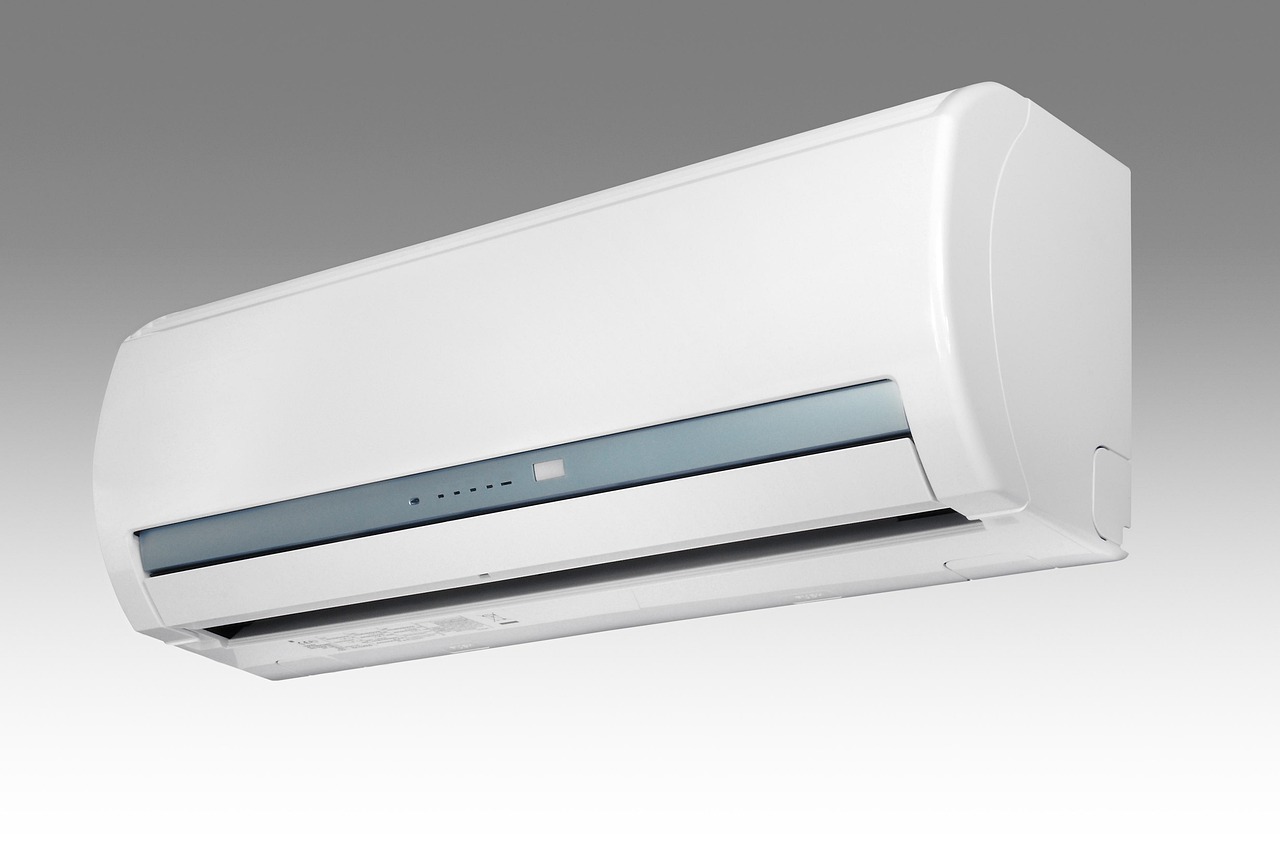
Choosing the right size air conditioner is one of the most consequential decisions a homeowner can make. Too small, and the system runs continuously without ever reaching the set temperature. Too large, and it short-cycles, turning on and off repeatedly, which drives up energy costs, increases wear on components, and leaves indoor humidity uncontrolled.
In San Antonio, where summers are long and temperatures routinely push past 100°F, these consequences are amplified. Experts at Pepcal Heating & Air say getting the sizing right is not only a matter of comfort but a direct factor in how often homeowners find themselves calling AC repair services.
Air conditioner capacity is measured in British Thermal Units (BTUs) or tons. One ton equals 12,000 BTUs per hour. Residential systems typically range from 1.5 to 5 tons, with most homes falling between 2 and 4 tons depending on square footage and other variables.
A common starting point is the general rule of thumb: approximately 20 BTUs per square foot of living space. By that measure, a 1,500-square-foot home would require around 30,000 BTUs, or a 2.5-ton unit. However, HVAC professionals caution against relying on square footage alone, as it accounts for only one of many variables that determine how hard a system must work.
Square footage is just one input. A proper sizing assessment, known in the industry as a Manual J load calculation, accounts for a range of variables specific to the home and its location:
Many homeowners are quoted a system size based on square footage alone, which is an incomplete approach. The Manual J load calculation is the industry-standard method for determining the correct system size. It accounts for all of the variables listed above and produces a precise cooling load figure that guides equipment selection.
Skipping this step often results in an oversized system, a common outcome when contractors default to larger units to avoid callbacks related to inadequate cooling. Experts from Pepcal Heating & Air explain that oversizing creates its own set of problems, including higher upfront costs, reduced dehumidification, and shorter equipment lifespan. Undersizing carries equal risk, forcing the system to run continuously under load conditions it cannot meet, driving up both energy costs and repair frequency.
Before purchasing or replacing an air conditioner, homeowners should request a Manual J load calculation from a licensed HVAC contractor. This assessment should be conducted on-site and take into account the specific characteristics of the home, not just its square footage.
Requesting written documentation of the load calculation results is also advisable, as it provides a reference point if equipment performance is ever questioned after installation. Getting the size right from the start reduces long-term operating costs, extends equipment life, and ensures consistent comfort through San Antonio's demanding summer months.


