Modern kids coloring books combine puzzles, mazes, and word games with traditional coloring pages, supporting critical thinking, problem-solving, creativity, and concentration — all in a screen-free format.
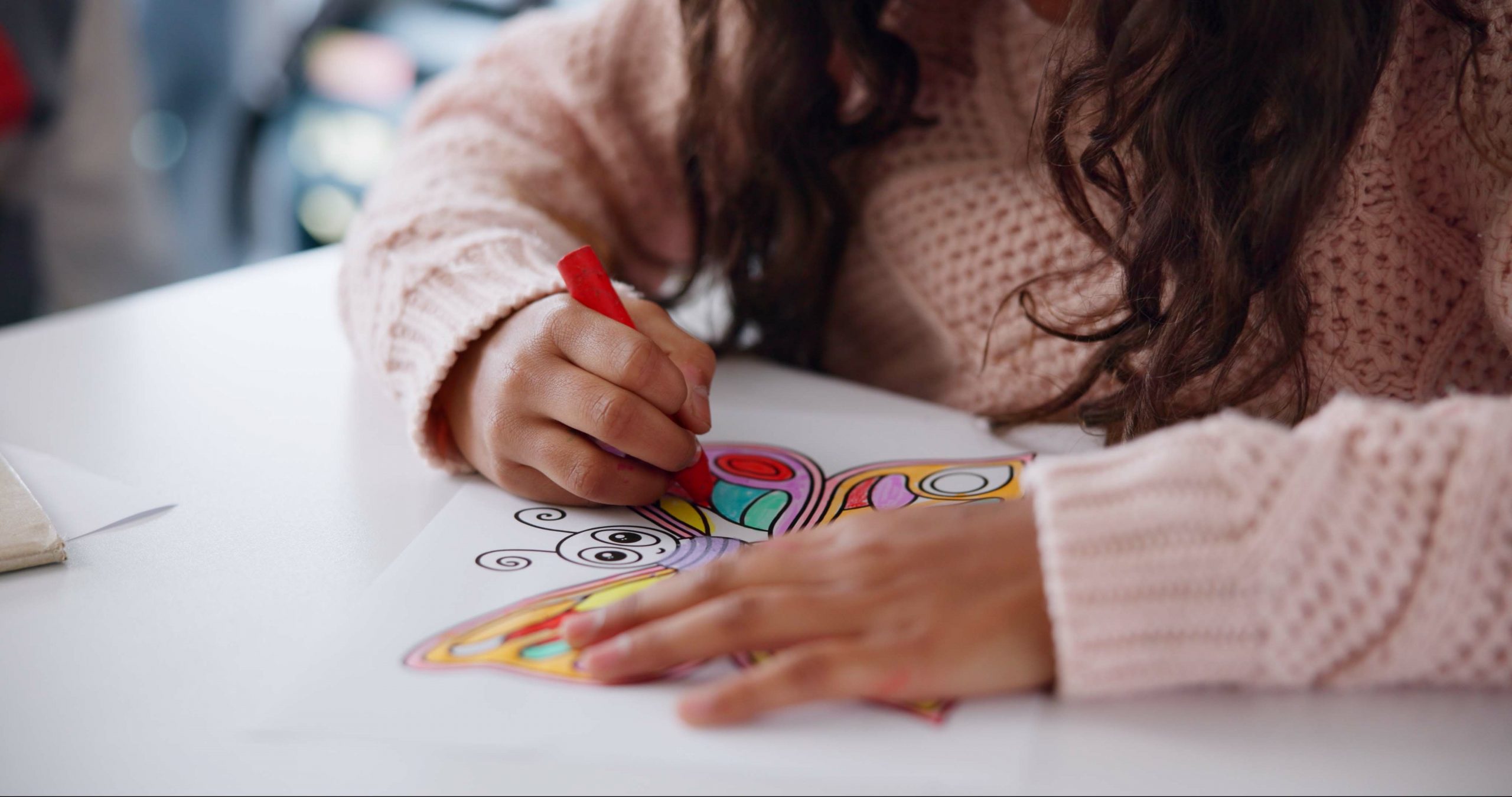
A coloring book might seem like a simple pastime, but today's activity-based formats are doing much more than helping children stay entertained. Many modern kids coloring books now combine traditional coloring pages with puzzles, mazes, word searches, crosswords, tracing exercises, and problem-solving challenges designed to engage young minds in multiple ways.
This evolution reflects what many parents and educators have discovered: children often learn best when education feels like play.
Research has shown that puzzle-based activities can support the development of spatial reasoning skills, which play an important role in problem-solving and future academic success. When these activities are combined with creative expression, children receive opportunities to strengthen both cognitive and motor skills in a single experience.
But what exactly makes activity-based coloring books different, and why are they becoming increasingly popular?
Traditional coloring books have long been valued for their ability to encourage creativity and improve fine motor control. Children choose colors, stay within lines, and create their own interpretations of illustrations.
These benefits remain important.
Activity coloring books, however, add another layer of engagement.
Instead of simply completing a picture, children may need to solve a maze before reaching the next page, find hidden objects within an illustration, complete a word search, connect dots, decode clues, or answer simple questions related to the story or theme.
The result is a more interactive experience that encourages active participation rather than passive completion.
While traditional coloring books primarily focus on artistic expression, activity books often blend creativity with critical thinking activities that challenge children to analyse, plan, and solve problems.
Critical thinking is often associated with older students, but its foundations begin much earlier.
Every time a child decides which path to take through a maze, searches for a hidden object, or determines how pieces fit together, they are practising important cognitive skills.
Critical thinking involves analysing information, identifying patterns, making decisions, solving problems, and evaluating possible outcomes.
These abilities influence how children approach challenges both inside and outside the classroom.
Rather than memorising information, critical thinkers learn how to process information independently. This can help children become more confident learners as they grow.
Activity books provide an accessible way to introduce these skills without making learning feel like work.
Mazes remain one of the most popular activities found in children's activity books, and for good reason.
At first glance, a maze appears simple. The goal is merely to find the correct route from beginning to end.
In reality, children are using several cognitive processes simultaneously.
They must observe possible pathways, anticipate obstacles, remember previous choices, and adjust their strategy when they encounter dead ends.
These actions closely mirror real-world problem-solving situations.
Children learn that mistakes are not failures. They are simply information that helps guide the next decision.
This lesson can be surprisingly valuable as children develop resilience and confidence when facing challenges.
Word games offer another opportunity for critical thinking development.
Word searches require children to scan for patterns, recognise letter sequences, and maintain concentration over longer periods.
Crossword puzzles encourage vocabulary development while introducing basic reasoning skills.
Children often need to interpret clues, eliminate incorrect possibilities, and connect information from different parts of the puzzle.
These activities help strengthen attention to detail while supporting language development and reading comprehension.
For younger children, even simple word games can improve focus and persistence.
Despite the growing popularity of puzzles and games, coloring remains one of the most valuable activities for young children.
Coloring helps strengthen pencil control, hand-eye coordination, fine motor skills, focus and concentration, and creative expression.
These abilities contribute to school readiness and can support later writing development.
Unlike many structured learning activities, coloring also gives children a sense of ownership over the finished result.
There is no single correct answer.
A dragon can be purple. A castle can be green. A cat can wear a steampunk-inspired top hat.
This freedom encourages imagination while helping children develop confidence in their own choices.
Many parents are actively searching for screen-free activities for kids.
Technology undoubtedly offers educational opportunities, but excessive screen use has become a growing concern for many families.
Activity coloring books provide a simple alternative.
Unlike digital entertainment, they encourage children to engage physically with the material. Children turn pages, hold pencils, trace lines, solve puzzles, and interact directly with the content.
These hands-on experiences help develop skills that screens cannot always replicate.
Activity books can also be used independently, with siblings, or as part of family learning time.
Because they combine multiple activities in one format, they often keep children engaged for longer periods than standard coloring books alone.
Children are more likely to stay interested when activities are connected to a theme they enjoy.
Whether the subject is animals, space, dinosaurs, fantasy worlds, or different cultures, themed books provide context that makes learning more engaging.
For example, some educational activity books use storytelling and cultural exploration alongside puzzles and coloring pages. A child may solve a maze while helping a character reach a destination or complete a word search related to a particular setting.
This approach transforms individual activities into part of a larger adventure.
Publishers such as Hierographics Books have embraced this concept, creating activity books that combine puzzles, coloring pages, stories, and creative exercises around imaginative themes — with curiosity and active learning at the center.
Not all activity books are created equally.
When selecting a coloring activity book, parents may want to consider age-appropriate puzzle difficulty, variety of activities, educational value, quality illustrations, opportunities for creativity, screen-free engagement, and themes that match a child's interests.
Books that balance fun and learning tend to provide the greatest long-term value.
A well-designed activity book should challenge children enough to keep them interested without creating frustration.
The best options encourage exploration, curiosity, and independent thinking.
Kids coloring books have evolved far beyond simple coloring pages.
Today's activity formats combine creativity with puzzles, mazes, word games, and other educational challenges that help children develop critical thinking skills while having fun.
By blending artistic expression with problem-solving opportunities, activity coloring books create a richer learning experience that supports cognitive development, concentration, creativity, and resilience.
For parents looking for educational activities that keep children engaged away from screens, activity-based coloring books offer a practical solution that makes learning feel like an adventure rather than a lesson.


