Lecture capture systems record presentations using multiple video sources, allowing students to review material at their own pace. With 68% preferring on-demand videos, this tech eases note-taking pressure, improves accessibility, and offers flexible learning options that modern classrooms need.
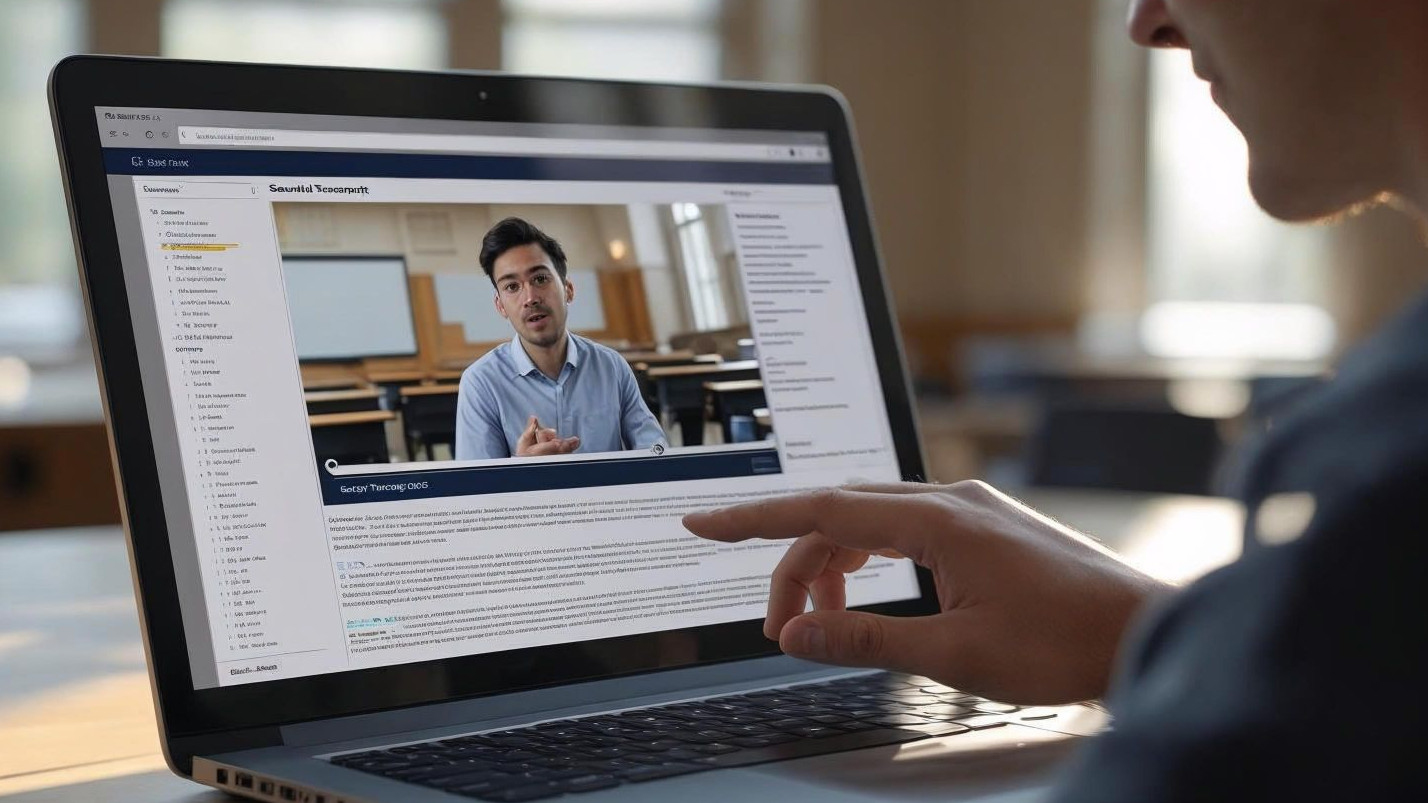
Lecture capture systems are reshaping education by making it easy to record and preserve classroom experiences. These tools capture audio, video, and visual materials from live presentations, allowing students to revisit content at their own pace.
What was once a complex, high-cost process now requires minimal setup a shift that reflects the growing demand for flexible, tech-enabled learning. Experts like California-based Vizual Symphony have helped lead this transformation by developing solutions that are accessible, scalable, and suited to diverse learning environments.
By shifting from one-time, in-person delivery to repeatable digital access, lecture capture supports deeper understanding and long-term retention. It bridges the gap between traditional teaching models and the flexibility modern students increasingly expect.
Effective lecture capture starts with the right tools. High-quality cameras, often equipped with auto-tracking and multi-angle capabilities, ensure instructors and classroom interactions stay in focus. Paired with specialized microphones that pick up both lecture and student input clearly, even in large spaces, the setup captures the full learning experience.
The right software turns good hardware into a seamless teaching tool. Today's platforms feature intuitive interfaces and one-touch recording, so instructors can focus on teaching, not troubleshooting. Built-in editing tools and learning management systems (LMS) integration make it easy to deliver content to students through platforms they already use.
Recording lectures creates a lot of data. Some latest systems even offer up to 1TB of built-in storage, enough for hundreds of hours of content. For institutions managing large video libraries, cloud storage adds flexibility and ensures that students have ongoing access to past lectures whenever they need them.
One of the biggest advantages of lecture capture is the ability for students to learn at their own pace. In a traditional classroom, everyone is expected to keep up with the same speed, regardless of how well they're following. Recorded lectures change that by letting students pause, rewind, or skip ahead based on their individual understanding.
This flexibility is especially useful for complex subjects where missing one explanation can throw off the rest of the lesson. With on-demand access, students can review challenging sections as often as they need, turning passive note-taking into a more active, personalized learning experience.
Roughly 65% of students learn best through visual input things like diagrams, slides, or live demonstrations. Lecture capture systems support this learning style by recording not just the instructor, but all visual materials used during class.
Modern setups often combine multiple sources, slides, whiteboards, document cameras, into one cohesive recording. That means students can revisit exactly what they saw during class, reinforcing key ideas visually and improving retention over time. The result? A richer, more engaging learning experience that speaks to how most students naturally take in information.
In traditional lectures, students often face a tough trade-off: pay attention or take notes but rarely both. Lecture capture removes that pressure by guaranteeing students can revisit the full session anytime. No need to scramble to write everything down.
With that peace of mind, students can focus on what really matters in the moment: asking questions, participating in discussions, and thinking critically, resulting in more active learning experiences and deeper engagement. The recordings become a reliable reference, giving students the freedom to be fully present during lectures and review details later on their own terms.
Accessibility isn't just a box to check it's essential for inclusive education. Lecture capture helps meet the needs of students with hearing or visual impairments, neurodivergent learners, and those who process information differently. Captioning, replay features, and adjustable playback speeds offer real support where it's needed most.
But accessibility doesn't stop there. Students who speak English as a second language, have unpredictable schedules, or simply learn better with repetition also benefit from recorded content. Lecture capture allows institutions to serve a broader range of learners meeting legal standards while staying true to their educational mission.
As hybrid learning becomes the norm, lecture capture fills the gaps between physical and virtual classrooms. It ensures students have consistent access to content, whether they're attending in person, learning remotely, or juggling both.
For remote learners, it brings them into the room. For students switching between modes, it keeps instruction unified. And for educators, it maintains quality across all formats without having to duplicate their efforts. In a blended learning world, lecture capture isn't just helpful it's essential.
Today's lecture capture systems go far beyond basic, single-camera setups. With support for up to five simultaneous video inputs, they create a layered, immersive recording that reflects the full complexity of a live classroom.
Instructors can capture themselves, students, presentation slides, document camera demos, and digital whiteboards all at once. The result? A complete, context-rich playback experience that helps students revisit not just what was said, but how it was visually communicated in real time.
A static camera can't capture the dynamic rhythm of good teaching. Intelligent tracking systems solve this by automatically following the instructor's movements no cameraman needed.
That means teachers can move freely, gesture naturally, or demonstrate hands-on content without staying glued to one spot. The footage stays sharp and focused, delivering a more engaging, lifelike experience for students watching later. It's the next best thing to being in the room.
One of the biggest roadblocks to faculty adoption is complexity, but modern systems remove that barrier. With one-touch recording, instructors can start and stop sessions without needing technical know-how or training.
Web-based controls make things even easier. Instructors can manage recordings directly from their laptop or tablet no special equipment or IT support required. This results in broader adoption across departments and more consistent use of lecture capture, even among faculty who don't consider themselves tech-savvy.
Modern lecture capture systems don't just record — they broadcast. By supporting RTMP and RTMPS streaming protocols, these systems can send live lectures to platforms like YouTube, Facebook, or private institutional channels while also saving them for on-demand viewing.
This dual capability makes it possible to engage remote students in real time while still offering recorded content for later. It turns lecture capture from a behind-the-scenes tool into a flexible distribution hub for both live and asynchronous learning.
Accessibility is not only good practice, it's the law. Under the Americans with Disabilities Act (ADA) and Section 508 of the Rehabilitation Act, institutions must ensure digital content, including recorded lectures, is accessible to all students. That starts with accurate captions.
But captioning isn't just for students with hearing impairments. It also supports:
While AI-generated captions have come a long way, accuracy still matters especially in courses with technical or discipline-specific language. Institutions should build in a review process to ensure captions meet both legal standards and student needs.
Today's lecture capture platforms don't just record they track. Built-in analytics show which videos students watch, how long they stay engaged, and which parts they replay most often.
This data gives instructors real-time insight into how students are interacting with content. Are they rewatching the same explanation over and over? That may signal a tricky concept worth revisiting in class. Is a certain video getting more views and longer watch times? That can point to a winning delivery style or particularly clear teaching. Over time, these patterns help educators refine both individual lectures and broader course design.
Lecture capture doesn't just benefit students it's a powerful tool for faculty growth. With recordings at their fingertips, instructors can review their own sessions to assess pacing, clarity, and engagement strategies.
This kind of self-review, often missing in traditional teaching, opens the door for targeted improvements. Many educators report stronger delivery and more effective classroom management after watching themselves in action. Plus, with a recorded library, faculty can experiment with flipped classrooms or build supplemental resources freeing up live class time for deeper interaction and discussion.
Education is evolving fast. Technological shifts, changing student expectations, and global disruptions have pushed institutions to adopt flexible learning tools faster than ever. In this new reality, lecture capture has gone from a bonus feature to a foundational necessity.
And the numbers back it up: 68% of students now prefer courses that offer on-demand lecture videos. That demand reflects a broader shift today's learners include working adults, parents, and students managing complex lives. Institutions that can't meet this expectation risk falling behind in enrollment and retention.
But it's not just about preference. Lecture capture makes classrooms more resilient. Whether it's a sick instructor, a weather shutdown, or a full campus closure, having recorded content allows learning to continue without disruption. The ability to shift between in-person, hybrid, and online modes has become critical for modern education.
Above all, lecture capture supports what education is meant to do: expand access to knowledge. It breaks down barriers of time, place, and pace — making learning more inclusive and more available to more people.
As the line between "traditional" and "technology-enhanced" learning continues to blur, lecture capture stands out as the connective tissue. Students now expect fluid transitions between physical classrooms and digital access and institutions must be ready to deliver both.
Investing in lecture capture is about staying current and future-proofing. Institutions that embrace this shift today are building the infrastructure for a more adaptable, inclusive, and student-centered educational model that will define learning for years to come.


