Are your STEM students struggling more than they should be? Research reveals that students in traditional lecture-based courses are 1.5 times more likely to fail, but there’s a technology-powered solution that’s transforming classrooms and dramatically improving outcomes.
Sources:Freeman et al. (2014), PNAS;EDUCAUSE Horizon Report: Teaching & Learning Edition (2025)
Higher education faces mounting pressure to improve student outcomes and engagement. Traditional lecture-based teaching methods no longer meet the needs of today's learners, particularly in challenging STEM fields where failure rates remain concerningly high. Active learning strategies powered by classroom technology offer a proven solution to these persistent educational challenges.
A 2014 meta-analysis of 225 studies in science, engineering, and mathematics education revealed a stark reality: students in classes with traditional lecturing were 1.5 times more likely to fail than those in classes with active learning (Freeman et al., 2014, PNAS). This significant finding underscores the critical importance of moving beyond traditional lecture formats to adopt more engaging pedagogical methods.
Active learning methods involve students in their learning through thinking, discussing, investigating, and creating rather than passively receiving information. Education research demonstrates that incorporating active learning strategies into university courses significantly improves student learning experiences by promoting critical thinking skills as students analyze, evaluate, and synthesize information. These approaches help students deepen their understanding of topics while giving professors valuable insight into how well students grasp new concepts. The collaborative nature of active learning also builds connections between students, which research shows increases course completion rates and overall academic success.
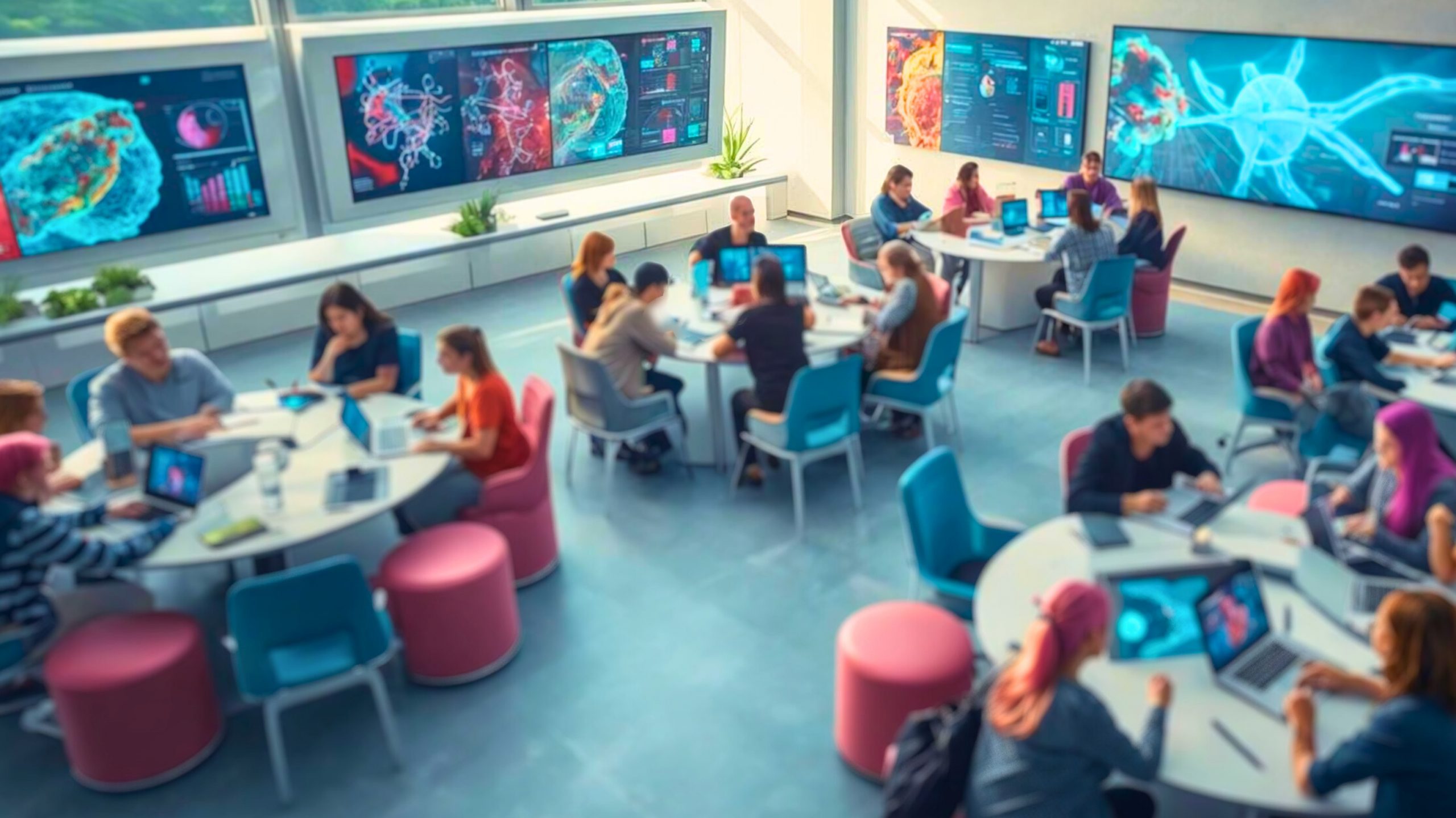
Modern classroom environments equipped with strategic technology create optimal conditions for implementing active learning. These spaces transform traditional teacher-centered environments into student-focused learning laboratories where critical thinking flourishes. Effective classroom design strategies maximize technology integration to support active learning outcomes.
Flexible furniture permits easy circulation in learning environments and promotes student-centered teaching approaches. Mobile desks, modular seating arrangements, and reconfigurable tables enable instructors to quickly transition between individual work, small-group discussions, and whole-class activities. This adaptability supports various active learning techniques while accommodating different learning preferences and physical needs. The ability to rearrange spaces instantly encourages spontaneous collaboration and keeps students physically engaged with their learning environment.
Advanced audiovisual systems enable seamless content sharing between instructors and students, creating opportunities for immediate feedback and collaborative problem-solving. Interactive displays, wireless projection capabilities, and multi-screen setups allow multiple student groups to present findings simultaneously. These technologies support think-pair-share activities, group presentations, and real-time polling, keeping all students actively participating rather than passively observing. The immediate visual feedback helps instructors assess understanding and adjust instruction accordingly.
Interactive learning tools enhance learning outcomes, foster a scientific attitude, and promote critical thinking in higher education settings (Chen et al., 2018). Digital whiteboards, tablet integration, and collaborative software platforms enable students to manipulate data, create visual representations of complex concepts, and engage in hands-on problem-solving. These tools particularly benefit STEM courses where abstract concepts become more concrete through interactive visualization and experimentation. Students develop stronger analytical skills when they can actively work with content rather than simply memorizing information.
Active learning techniques include think-pair-share, small group discussions, interactive lectures, problem-based learning, and flipped classroom models that use technology to maximize student engagement and learning outcomes. These evidence-based approaches transform traditional classroom interactions while maintaining academic rigor.
Digital polling systems enhance the classic think-pair-share technique by enabling instructors to collect anonymous responses from all students simultaneously. Students first consider a question individually, discuss their thoughts with a partner, and then share responses through polling technology. This approach ensures every student participates while providing instructors with real-time data about class understanding. The anonymous nature of digital polling encourages honest responses from students who might otherwise remain silent in traditional discussion formats.
Virtual simulations allow students to engage with complex scenarios and practice problem-solving skills in a safe and controlled environment. These technology-supported experiences allow students to experiment with variables, observe consequences, and develop critical thinking skills through trial and error. Science labs, engineering challenges, and business case studies become more accessible and repeatable through simulation technology. Students can test multiple solutions and understand cause-and-effect relationships more deeply than traditional textbook exercises allow.
Flipped classroom approaches use video content and online resources to deliver foundational information outside class time, freeing up in-person sessions for active learning activities. Students watch lectures, review materials, and prepare questions at home, then engage in problem-solving, discussions, and hands-on projects during class. This model maximizes face-to-face time with instructors while ensuring students come prepared to actively participate in learning activities.
Digital collaborative platforms facilitate small group discussions both during class and as extended learning experiences. Breakout rooms in video conferencing systems, shared documents, and discussion boards enable students to work together effectively regardless of physical location. These platforms capture group thinking processes, allow for peer feedback, and create digital records of collaborative learning that students can reference later. The technology supports both synchronous and asynchronous collaboration, accommodating different schedules and learning preferences.
Universities are investing in active learning environments to boost student engagement and improve retention and recruitment rates. These strategic investments reflect growing recognition that classroom technology plays a crucial role in modern education success.
Based on data from Gartner’s 2024 Higher Ed CIO Survey, as cited by Wipfli, 69% of technology leaders identified classroom technologies for learning and engagement as their top audiovisual priority. This significant investment focus demonstrates institutional commitment to active learning implementation across campus environments. Leaders recognize that modern students expect technology-supported learning experiences that prepare them for digital workplace environments.
Active learning environments provide measurable benefits for student retention and institutional recruitment efforts. Students often report higher satisfaction in technology-supported courses, which may contribute to improved persistence and reduced dropout rates. The engaging nature of active learning helps students feel more connected to their academic programs and peer communities. Prospective students increasingly consider classroom technology and learning environments when selecting universities, making these investments essential for competitive recruitment strategies.
Research-backed evidence demonstrates that technology-supported active learning produces measurable improvements in student achievement, critical thinking development, and long-term knowledge retention across multiple academic disciplines.
Studies consistently show that active learning tools improve learning outcomes, foster a scientific attitude, and enhance critical thinking in higher education settings. Students exposed to technology-supported active learning demonstrate stronger analytical skills, better problem-solving abilities, and increased confidence in tackling complex challenges. The interactive nature of these approaches helps students develop scientific thinking patterns that transfer to other courses and professional situations. Measurement tools reveal statistically significant improvements in critical thinking assessments when comparing traditional learning approaches with active learning approaches.
Classroom technology gives students immediate access to extensive information and resources while simultaneously developing essential digital literacy skills. With intentional instruction, students learn to evaluate information credibility, synthesize multiple sources, and present findings using professional tools. This balanced approach enables students to effectively navigate information-rich environments while maintaining their critical evaluation skills. The combination of content access and digital skill development prepares students for the modern workplace, where technology fluency is essential for professional success.
Creating an effective active learning environment requires strategic planning that balances technology integration with pedagogical best practices. Start by identifying specific learning objectives and selecting technologies that directly support those goals rather than implementing technology for its own sake. Consider student needs, course content, and available resources when designing active learning experiences to ensure effective learning outcomes.
Begin with simple strategies like digital polling or collaborative documents before advancing to more complex simulations or virtual reality applications. Train both instructors and students on new technologies to ensure smooth implementation and maximum benefit. Regular assessment of student engagement and learning outcomes helps refine approaches and identify areas for improvement.
Successful active learning transformation requires ongoing commitment to experimentation, reflection, and adaptation based on student feedback and performance data. Vizual Symphony, specialists in designing technology-rich learning environments, state that investing time and resources yields dividends through enhanced student satisfaction, improved learning outcomes, and a stronger institutional reputation for educational excellence.


