Ready to shed pounds and sculpt your physique? Learn how each 1% incline on a treadmill boosts calorie burn by 12%, with beginners starting at 1-5%, intermediate walkers at 6-10%, and advanced walkers at 11-15%.
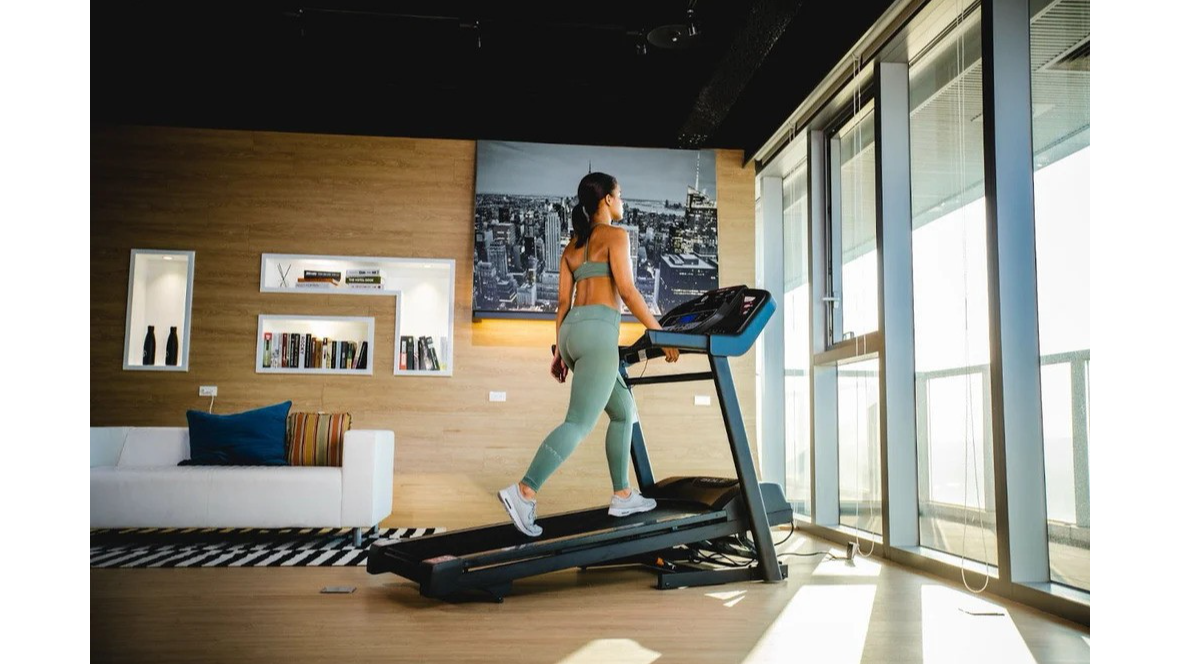
Incline walking turns a standard cardio activity into a powerful fat-burning, muscle-building workout. When walking on an incline, you fight gravity with each step, forcing your body to work harder than on flat ground.
Research confirms the benefits. Walking on an incline dramatically increases calorie expenditure - at a 10% incline, you'll burn approximately twice as many calories compared to walking on a flat surface. For each 1% increase in incline, you can expect roughly 12% more calorie burn. This makes incline walking highly efficient for weight loss goals.
Beyond calorie burning, incline walking activates more muscle fibers in your legs, particularly your quadriceps, hamstrings, and glutes. As these large muscle groups work harder moving you uphill, they develop greater strength and tone. Since muscle tissue burns more calories than fat tissue (even at rest), building muscle through incline walking creates a metabolic advantage that continues working long after your workout ends.
Incline walking also raises your heart rate more effectively than flat walking. Studies show that adding even a modest incline of 2-7% can increase your heart rate by up to 10% compared to walking on level ground. This cardiovascular challenge improves heart health, boosts stamina, and pushes your body into optimal fat-burning zones without the joint impact associated with running.
Fitness professionals at SOLE Fitness explain that treadmills provide precise incline control, allowing you to target these benefits with accuracy that's difficult to achieve with outdoor walking. Their commercial-grade motors handle the demands of incline training while maintaining consistent performance, which is crucial for tracking your progress over time.
If you're new to fitness or incline walking, starting with a gentle slope between 1-5% is ideal. This range provides enough intensity to increase your heart rate and engage your muscles without overwhelming your body or risking injury.
At a 1% incline, you're already increasing your calorie burn by about 12% compared to flat walking. This might not sound dramatic, but it's a sustainable starting point that allows your body to adapt gradually. Many fitness experts recommend always walking at a minimum 1% incline on a treadmill to better simulate outdoor walking conditions.
A good beginner routine might include:
As you build strength and endurance, gradually increase your time or incline percentage, but avoid jumping more than 1-2% per week.
Once you've mastered the beginner slopes and built some foundational strength, moving to intermediate inclines of 6-10% significantly increases the workout intensity. At these levels, you'll feel substantial activation in your quads, hamstrings, glutes, and calves.
At a 10% incline, you're burning approximately twice the calories of flat walking. This range is where serious calorie-burning and muscle-toning benefits begin to accumulate. Your heart rate will increase more substantially, pushing you further into the fat-burning zone.
An effective intermediate workout might include:
Alternatively, you can incorporate interval training by alternating between moderate (6%) and more challenging (9-10%) inclines every 2-3 minutes.
Inclines of 11-15% are for those with established fitness foundations who want maximum calorie burn and muscle activation. These steep inclines simulate hiking up a mountain and provide intense lower-body conditioning.
At these inclines, you'll likely need to reduce your speed to maintain proper form. Even at slower speeds, the calorie burn and muscle activation remain extremely high. Advanced inclines are particularly effective for targeting and toning the glutes and hamstrings while significantly challenging your cardiovascular system.
A challenging advanced workout might include:
The 12-3-30 workout has gained significant popularity for its simplicity and effectiveness. The formula is straightforward: set your treadmill to a 12% incline, walk at 3 mph, and continue for 30 minutes. This specific combination creates a challenging yet accessible workout for many fitness levels.
Why is it so effective? The 12% incline falls within the advanced range, creating significant resistance that activates multiple muscle groups simultaneously. The moderate 3 mph pace allows you to maintain proper form while still challenging your cardiovascular system. The 30-minute duration is long enough to burn substantial calories (approximately 300-400 calories for the average person) without requiring excessive time commitment.
This workout excels at:
While effective, the standard 12-3-30 workout may be too intense for beginners. Here's how to adapt it based on your fitness level:
For beginners: Start with a 5-3-20 approach (5% incline, 3 mph, for 20 minutes) and gradually work your way up. You might increase the incline by 1% each week until you reach 12%.
For intermediate exercisers: Try an 8-3-30 workout (8% incline, 3 mph, for 30 minutes) before progressing to the full 12%.
For advanced fitness enthusiasts: Consider increasing the duration to 45 minutes or incorporating intervals by alternating between 12% and 15% inclines every 5 minutes.
Incline walking creates a comprehensive lower-body workout that targets multiple muscle groups simultaneously. The primary muscles activated include:
The consistent activation of these large muscle groups leads to increased muscle tone and definition over time. Many users of SOLE Fitness treadmills report noticeable improvements in leg definition after just 4-6 weeks of regular incline walking routines.
The calorie-burning potential of incline walking increases dramatically as you increase the gradient. This relationship isn't linear but exponential, making even modest inclines worthwhile for weight loss efforts.
Here's a breakdown of how incline affects calorie burn (based on a 150-pound person walking for 30 minutes at 3 mph):
These numbers show why incline walking is such a powerful tool for weight management. By simply adjusting the incline, you can significantly boost the efficiency of your workout without spending more time exercising.
Incline walking offers advantages beyond muscle toning and calorie burning. It's an excellent weight-bearing exercise that stimulates bone growth and maintenance, which is crucial for preventing osteoporosis and maintaining skeletal health as you age.
Unlike high-impact exercises like running or jumping, incline walking provides these bone-strengthening benefits while remaining gentle on your joints. The controlled motion and consistent support of the treadmill surface minimize impact forces, making it an ideal exercise option for those with joint concerns or those recovering from injuries.
Finding the right balance between speed and incline is key to maximizing your results while maintaining safety. As a general rule, as incline increases, speed should decrease to maintain proper form and reduce injury risk.
Effective combinations include:
Try different combinations within these ranges to find your personal sweet spot where you feel challenged but can maintain the workout for your target duration.
High-Intensity Interval Training (HIIT) principles applied to incline walking create greater fat-burning results. HIIT involves alternating between periods of high-intensity effort and recovery periods.
A sample HIIT incline workout might look like this:
This approach prevents adaptation plateaus and triggers the "afterburn effect" (excess post-exercise oxygen consumption), where your body continues to burn calories at an elevated rate for hours after your workout ends.
For optimal results without risking injury or burnout, consider these guidelines for incorporating incline walking into your fitness routine:
Recovery is as important as the workout itself. Signs that you need more recovery time include persistent muscle soreness, decreased performance, or unusual fatigue. Listen to your body and adjust accordingly.
Maintaining proper form during incline walking is essential for both safety and effectiveness. Follow these guidelines:
Watch out for these common errors that can reduce effectiveness or increase injury risk:
Your body will tell you if your current incline setting isn't appropriate. Watch for these warning signs:
If you notice any of these signs, reduce the incline and focus on building strength and endurance at a more moderate level before progressing.
Long-term success with incline walking requires sustainability. Create a progressive plan that grows with your fitness level rather than jumping straight to the most challenging settings.
A well-designed 8-week progression might look like this:
Add variety in your workouts by changing the incline, speed, duration, and interval structure. This prevents adaptation plateaus and maintains motivation.
Track your progress by noting improvements in your endurance, how you feel during and after workouts, changes in body composition, and your ability to tackle higher inclines or longer durations. Celebrate these wins to stay motivated on your fitness journey.
The right equipment makes all the difference in your incline walking success. SOLE Fitness offers commercial-grade treadmills with precise incline control and cushioning technology that reduces joint impact by up to 40%, making them ideal for consistent incline training.


