Slat belt treadmills last up to 150,000 miles with minimal upkeep, while traditional belts wear out in 15,000-30,000 miles. Here is how the two systems compare on durability, maintenance, and joint impact.
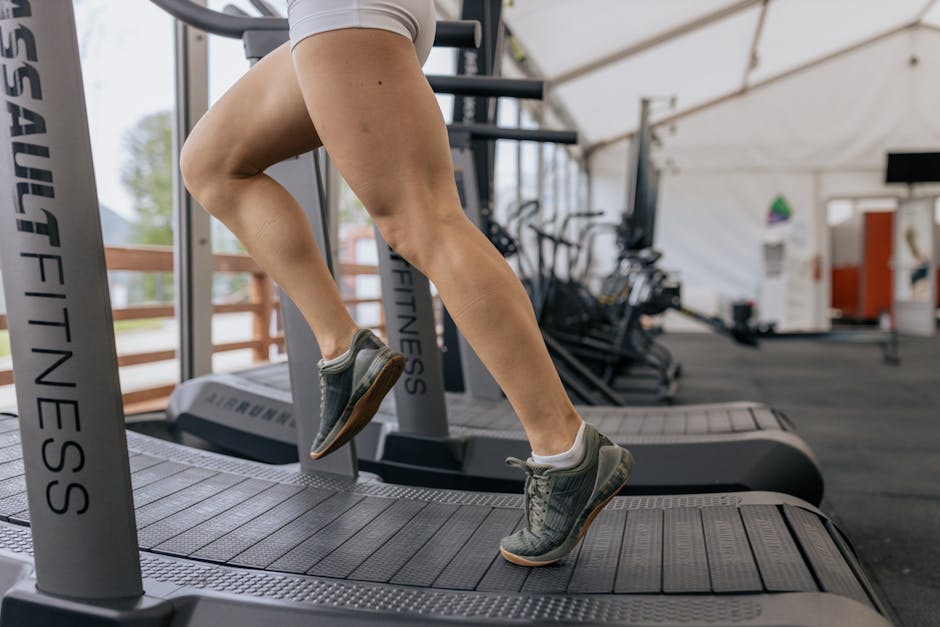
For serious runners logging significant weekly mileage, the treadmill belt represents the machine's most critical component... not to mention its biggest weakness. The difference between slat belt technology and traditional belt systems goes beyond simple durability metrics into maintenance requirements, joint impact, and long-term ownership costs.
The lifespan gap between slat belt and traditional treadmill systems reveals itself most dramatically in real-world usage scenarios. Traditional treadmill belts, even high-quality commercial versions, typically require replacement after 15,000 to 30,000 miles of use. That's roughly three to five years for dedicated home runners. Premium commercial gym belts might extend slightly beyond this range with meticulous maintenance, but rarely exceed 35,000 miles before showing significant wear patterns.
Slat belt systems operate in an entirely different performance category. Some slat-belt designs carry a manufacturer's guarantee of 150,000 to 200,000 miles, representing a five-to-ten-fold increase in operational lifespan. This dramatic difference stems from fundamental design principles rather than incremental improvements to traditional belt materials.
Traditional treadmill belts experience constant friction against the running deck surface, creating heat and material degradation with every step. The continuous belt design means the entire surface must maintain consistent contact with the deck, generating friction points across the belt's full width and length. This friction is particularly problematic during high-intensity training sessions where increased force and speed amplify wear patterns.
The friction issue compounds over time as belt materials stretch and develop uneven wear spots. These imperfections create additional friction points, accelerating the degradation process. Eventually, excessive friction leads to belt slippage, motor strain, and premature failure of multiple treadmill components.
Traditional belts demand regular lubrication between the belt and deck to minimize friction and extend operational life. Most manufacturers recommend lubrication every 130 to 150 miles of use, or every three to six months, regardless of usage patterns. This maintenance requirement creates ongoing costs and inconvenience for users.
Inadequate lubrication accelerates belt wear and can void manufacturer warranties. Over-lubrication creates different problems, including belt slippage and attracting debris that damages both belt and deck surfaces. The lubrication process itself requires specific products and careful application techniques to avoid damaging expensive treadmill components.
Continuous belt materials gradually stretch under repeated stress, losing the precise tension required for smooth operation. Tension loss manifests as belt slippage during high-intensity workouts, inconsistent speed regulation, and eventual motor overwork as the system compensates for mechanical inefficiencies.
Belt stretching occurs unevenly, with high-stress areas (typically the center portion where most foot strikes occur) stretching faster than edge sections. This uneven wear creates tracking problems where the belt drifts laterally during operation, requiring frequent adjustment and eventual replacement.
Slat belt systems eliminate the primary failure mechanism of traditional belts by replacing the continuous belt with individual rubber slats that rotate independently around the treadmill frame. Each slat operates on its own axis, dramatically reducing surface friction compared to traditional belt-on-deck contact.
The individual slat design distributes weight and impact forces across multiple independent points rather than creating continuous friction across a single surface. This fundamental difference explains why slat belts maintain consistent performance characteristics throughout their extended operational life while traditional belts degrade progressively from the first mile of use.
Professional-grade slat belt treadmills incorporate precision ball bearing systems that support each slat's rotation. These bearings, typically numbering over 100 per treadmill, create virtually frictionless operation that requires no lubrication or regular adjustment.
The ball bearing approach eliminates the belt tensioning issues that plague traditional systems. Since each slat operates independently, there's no belt-stretching or tracking problems. The mechanical precision of ball bearing systems ensures consistent performance over hundreds of thousands of miles, explaining why commercial facilities choose slat belt technology for high-usage environments.
Each rubber slat in a slat belt system functions as an individual shock absorber, responding independently to foot strikes and distributing impact forces more effectively than traditional belt surfaces. This independent action creates a running surface that adapts to each runner's gait pattern rather than forcing adaptation to a rigid surface.
The shock absorption benefits become particularly pronounced during high-mileage training sessions where cumulative impact stress contributes to joint fatigue and potential injury. Traditional belts provide cushioning through deck systems beneath the belt, but the belt itself remains relatively inflexible, transferring more impact force directly to the runner's joints.
Traditional treadmill belts create consistent impact patterns with each foot strike, leading to repetitive stress on specific joint structures. The uniform surface and consistent belt speed generate identical impact forces thousands of times per workout, potentially contributing to overuse injuries common among high-mileage treadmill runners.
Slat belt systems introduce subtle variations in surface contact with each step as individual slats respond differently to impact forces. This variation, while minimal, reduces the repetitive stress patterns associated with traditional belt surfaces and more closely mimics the natural variation found in outdoor running surfaces.
Many professional sports organizations have adopted slat belt technology specifically for its joint protection benefits during high-intensity training. The reduced impact characteristics prove particularly valuable for athletes whose careers depend on maintaining joint health throughout demanding training regimens.
CrossFit gyms and military training facilities also favor slat belt treadmills for their durability and injury prevention characteristics. These high-usage environments provide real-world validation of slat belt technology's superiority in protecting user joint health while maintaining consistent performance under extreme usage conditions.
For most of treadmill history, slat belt systems were exclusive to commercial gyms and professional training facilities — simply too expensive for home use. That has started to change. Some flat-deck slat belt models are now available in the $3,500-$4,000 range, incorporating the same core technology found in commercial units: individual rubber slats on ball bearing systems and AC motors rated for continuous heavy use.
When evaluating options at this price point, the specs worth prioritizing are weight capacity (400 lbs is the commercial benchmark), running surface dimensions (60" x 20" matches gym-grade equipment), and motor type — AC motors generally outperform DC motors for sustained, high-intensity use. Modern models at this tier also tend to include touchscreen displays, app connectivity, and manual "free mode" options that disengage the motor entirely for self-powered running.
The higher upfront cost compared to a traditional belt treadmill is real, but the maintenance calculus looks different over time. No belt replacements, no lubrication schedules, and a lifespan that can outlast multiple traditional machines mean the long-term ownership cost is worth factoring in alongside the purchase price.


