Termites cause billions in damage annually, but there’s a simple test homeowners can perform right now using nothing but their knuckles. Learn the tapping technique that reveals what’s eating your home from the inside out—before it’s too late.
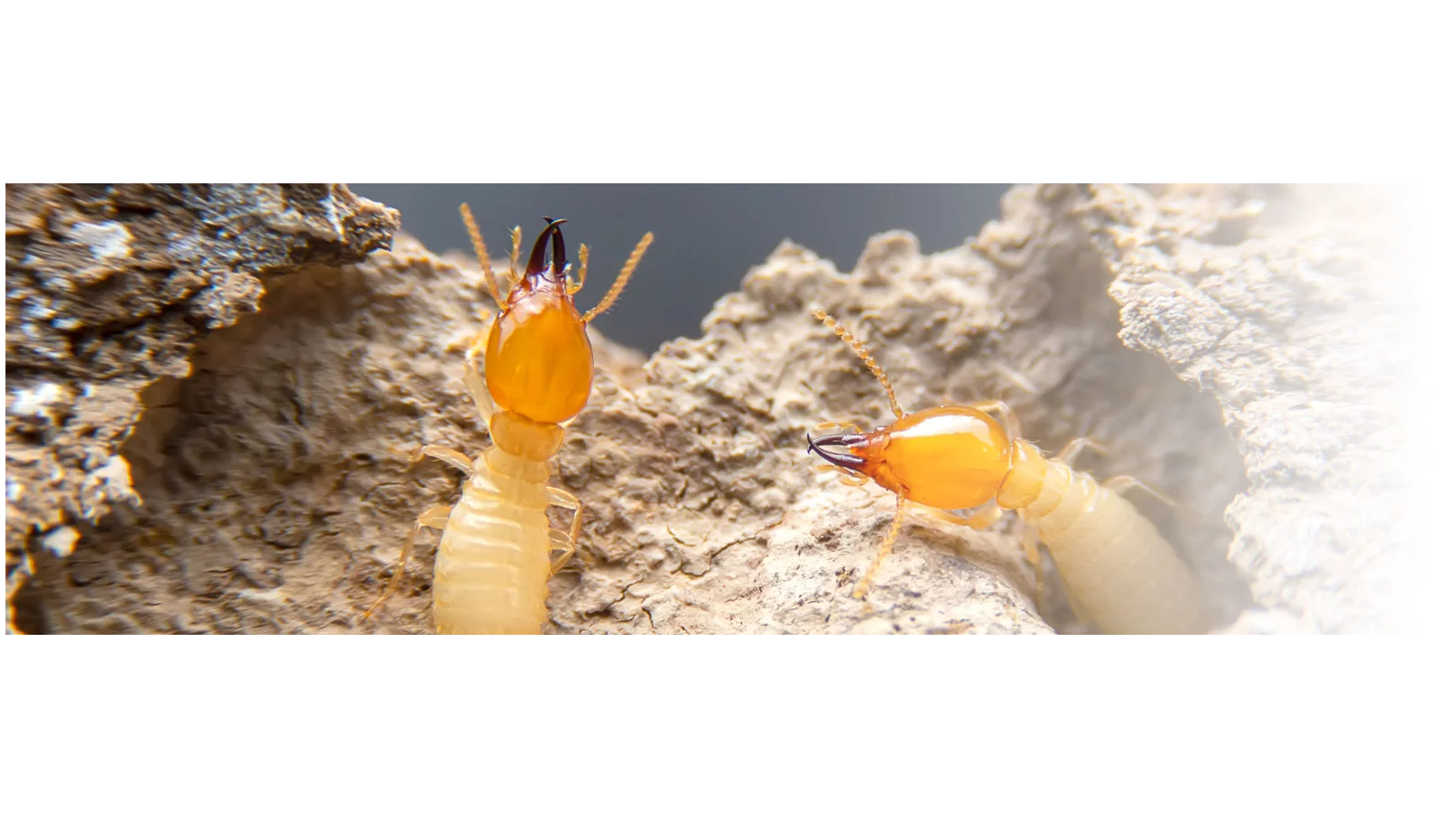
Termites silently threaten homes across the nation, causing billions in damage annually while remaining virtually undetectable until significant destruction occurs. The hollow wood test represents one of the most accessible methods homeowners can use to identify potential infestations before costly structural damage develops.
The hollow wood test serves as a simple yet effective preliminary screening tool that requires no special equipment or training. By systematically tapping wooden surfaces throughout the home and listening for changes in sound quality, homeowners can identify areas where termites may have compromised structural integrity from within.
This detection method works because termites consume cellulose fibers from the inside of wood structures, leaving only thin outer shells that produce distinctly different acoustic properties when struck. Experts like Connor's Pest Pros emphasize that early detection through methods like the hollow wood test can prevent extensive damage that often goes unnoticed until advanced stages of infestation.
The test proves particularly valuable in Virginia, Washington D.C., and Maryland, where humid subtropical climates create ideal conditions for year-round termite activity. Unlike some detection methods that require professional equipment, the hollow wood test empowers homeowners to conduct regular inspections using only their hands and ears.
Termites approach wood consumption strategically, targeting the softer, more nutritious interior portions while initially leaving the harder exterior intact. This feeding pattern creates extensive internal gallery systems that dramatically alter the wood's density and acoustic properties.
Worker termites focus on consuming cellulose-rich springwood, which forms during periods of rapid tree growth and contains larger cells with thinner walls. This selective consumption leaves behind a network of tunnels and chambers that effectively hollow out the wood's interior structure while maintaining the appearance of solid material from the outside.
The distinctive honeycomb pattern characteristic of termite damage results from their methodical approach to wood consumption. Termites follow the natural grain of the wood, creating galleries that run parallel to the wood fibers while leaving thin walls between feeding chambers.
This systematic tunneling creates a lattice-like internal structure that resembles honeycomb when exposed. The remaining wood framework becomes increasingly fragile as termites remove the supportive interior material, eventually leading to structural failure if left untreated.
Termites demonstrate clear preferences for specific wood components based on nutritional value and digestibility. The softer springwood contains higher concentrations of easily accessible cellulose, making it the preferred target for feeding activity.
Harder summerwood, formed during slower growing periods, contains denser fibers and more lignin, making it less appealing to termites. This selective feeding behavior explains why termite-damaged wood often retains its external appearance while becoming structurally compromised internally.
Begin the hollow wood test by focusing on areas where termites most commonly establish entry points and feeding zones. Foundation walls, basement framing, and any wooden components in direct contact with soil represent prime locations for initial termite activity.
Pay particular attention to areas near moisture sources, including around plumbing penetrations, air conditioning units, and areas with poor ventilation. Window frames, door frames, and wooden trim near these moisture-prone areas should receive thorough examination during testing.
Effective hollow wood testing requires consistent tapping pressure and systematic coverage of wooden surfaces. Use knuckles or a small tool like a screwdriver handle to create uniform strikes across the wood surface, maintaining consistent force to ensure reliable acoustic feedback.
Work in a grid pattern across larger wooden surfaces, spacing taps approximately six inches apart to avoid missing compromised areas. This systematic approach ensures thorough coverage while providing reference points for comparing sound quality across different sections.
Healthy, solid wood produces a sharp, dense thud when tapped, while termite-damaged wood creates a noticeably hollow, echoing sound. The acoustic difference becomes more pronounced as internal damage progresses, with severely compromised wood producing almost drum-like hollow tones.
Train the ear to recognize these subtle differences by tapping known solid wood surfaces first, then comparing the sound quality when testing suspected areas. The hollow sound often becomes apparent even in early-stage infestations when visual damage remains undetectable.
Subterranean termites construct distinctive mud tubes using soil, wood particles, and bodily secretions to create protected highways between their underground colonies and above-ground food sources. These pencil-width tunnels typically appear along foundation walls, basement walls, or connecting soil to wooden structures.
The tubes serve multiple purposes, maintaining the humid environment termites require while protecting workers from predators and environmental threats. Fresh mud tubes appear moist and pliable, while abandoned tubes become dry and brittle, though their presence indicates ongoing or recent termite activity in the area.
During reproductive swarming periods in spring, mature termite colonies release winged reproductive termites that seek new nesting sites. After successful mating, these reproductive termites shed their wings, which often accumulate near windowsills, door frames, and other potential entry points.
These discarded wings resemble small fish scales and appear uniform in size and shape, distinguishing them from ant wings which feature different-sized front and rear pairs. The presence of termite wings indicates a mature colony nearby and suggests active reproductive behavior in the immediate area.
Drywood termites produce distinctive fecal pellets called frass, which they push out of infested wood through small kickout holes. These hexagonal pellets resemble fine sawdust or coffee grounds and accumulate in small piles beneath infested wooden structures.
Unlike subterranean termites that use their waste to construct mud tubes, drywood termites actively expel frass from their galleries. The consistent hexagonal shape of individual pellets, visible under magnification, provides definitive identification of drywood termite activity when found near wooden structures.
Advanced termite infestations eventually produce visible surface damage as internal consumption weakens the wood's structural integrity. Affected wood may appear blistered, discolored, or develop a rippled surface texture as the underlying support structure deteriorates.
When probing suspected areas with a screwdriver or similar tool, termite-damaged wood easily gives way to reveal the characteristic honeycomb pattern inside. This visible damage pattern helps distinguish termite activity from water damage or other wood-destroying organisms like carpenter ants, which create smoother, more defined galleries.
While the hollow wood test provides valuable preliminary screening capabilities, it cannot detect early-stage infestations where termites have not yet created extensive internal galleries. The test also proves ineffective in areas where access to wooden structures remains limited, such as within wall voids or beneath flooring.
Additionally, the acoustic differences that make the hollow wood test effective may be subtle in early infestations or when termites have targeted only specific areas within larger wooden members. False positives can occur in areas where previous water damage or other factors have created hollow spaces unrelated to termite activity.
Professional termite inspectors employ sophisticated equipment that extends detection capabilities far beyond basic acoustic testing. Moisture meters identify elevated humidity levels that attract termites, while thermal imaging cameras reveal temperature variations that may indicate termite activity behind walls or other inaccessible areas.
Professional inspectors use advanced tools that allow visual examination of internal wood structures through small access holes, providing direct confirmation of termite presence and damage extent. These advanced tools, combined with professional training in termite behavior and biology, enable thorough assessments that identify infestations in their earliest stages when treatment remains most effective and affordable.
Eastern Subterranean termites represent the most economically significant termite species throughout Virginia, Washington D.C., and Maryland. These termites maintain underground colonies that can house millions of individuals, with mature colonies capable of causing substantial structural damage within months.
Their damage patterns follow the natural grain of wood, preferentially consuming softer springwood while leaving harder summerwood relatively intact. This creates the characteristic layered appearance in damaged wood that resembles stacked papers. Eastern Subterranean termites typically swarm during spring months following rainfall when temperatures rise, making this the optimal time for homeowner vigilance.
Formosan termites, nicknamed "super termites" due to their aggressive feeding behavior, have established colonies in southeastern Virginia's coastal regions. A single Formosan colony can contain several million individuals and consume about 1 ounce of wood daily, causing substantial structural damage in significantly less time than native species.
These invasive termites demonstrate the ability to establish aerial nests that don't require direct soil contact, provided adequate moisture sources remain available. Their larger swarmers, measuring approximately half an inch including wings, appear yellowish-brown and emerge during late May and early June.
Termite infestations require immediate professional attention to prevent ongoing structural damage and costly repairs. In humid areas that create year-round favorable conditions for termite activity, professional monitoring and treatment necessary for long-term property protection.
Early detection methods like the hollow wood test provide valuable warning signs, but confirming infestations and implementing effective treatment requires specialized knowledge, equipment, and materials available only through professional pest control services. Professional treatments address both active infestations and long-term prevention, creating protection strategies tailored to regional termite species and local environmental conditions.
Professional treatment programs also provide ongoing monitoring and maintenance to prevent re-infestation, protecting the substantial investment homeowners have made in their properties.


