With 40% of women experiencing hair loss by age 50, DHT blockers offer hope—but which ones work, and why can some be risky for women of childbearing age? The answer might surprise you, especially when it comes to the “gold standard” treatment.
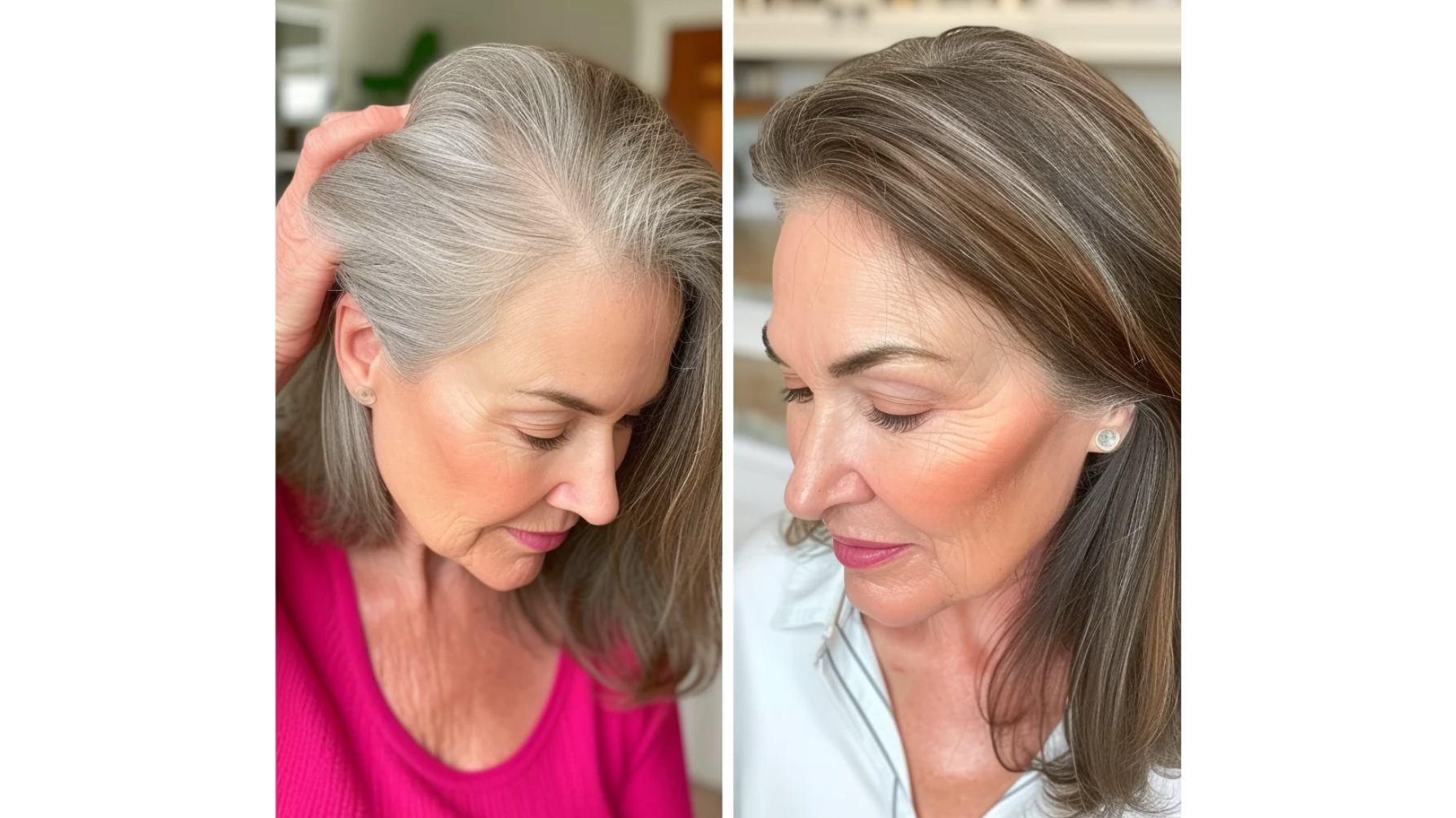
Around 40% of women experience some degree of hair loss by age 50, making the search for effective treatments more urgent than ever. One key culprit is dihydrotestosterone (DHT), an androgen hormone that causes hair follicles to shrink, producing finer strands and shorter growth cycles.
Understanding which DHT blockers work best for women means looking at both prescription and natural options—and how each fits different hormonal needs and safety profiles.
DHT blockers that help women often differ from those used by men, mainly due to hormonal balance and pregnancy considerations. Among prescription treatments, spironolactone remains the gold standard. This medication blocks androgen receptors in hair follicles and can lower testosterone levels, helping to reduce DHT's impact on the scalp.
A 2023 review and meta-analysis found that about 43% of women with female pattern hair loss saw improvement using spironolactone alone, while 66% improved when it was combined with another therapy. These results make spironolactone a valuable option for women facing hormonal hair loss—especially those with polycystic ovary syndrome (PCOS), postpartum shedding, or female pattern baldness.
Topical DHT blockers form another effective category, acting directly on the scalp to minimize hormonal side effects while targeting DHT activity at the source.
For women seeking more gentle approaches, hair experts at Trybello note that natural DHT blockers—such as plant-based ingredients and herbal extracts—have shown promise in supporting healthy hair growth. While typically less potent than prescription options, they can still be useful for long-term maintenance or in combination with other treatments, depending on individual needs.
Anti-androgen therapy targets the hormonal triggers behind follicle miniaturization—the process that causes hair to grow thinner and shorter over time. Unlike male pattern baldness, which creates receding areas, female pattern hair loss usually appears as diffuse thinning or a widening part. That difference calls for treatment strategies designed around women's hormonal profiles.
Among anti-androgen treatments, spironolactone remains one of the most effective for women. It works by lowering testosterone levels and by blocking androgen receptors in hair follicles, preventing DHT from binding and damaging them.
Women with PCOS often see strong results because spironolactone addresses both elevated androgen levels and DHT-related shedding. Results depend on each person's follicle sensitivity to DHT, which is largely genetic. Many women also notice improvements in related issues like hormonal acne or excess hair growth (hirsutism).
Pairing spironolactone with minoxidil—a topical vasodilator that increases scalp blood flow—creates a complementary effect. While spironolactone reduces hormonal interference, minoxidil helps dormant follicles re-enter the growth phase.
Research consistently shows that women using both treatments achieve better results than those using either alone. The dual approach helps prevent further thinning while encouraging regrowth, which is why many dermatologists recommend this combination as a first-line therapy for female pattern hair loss.
Like any medication, spironolactone can cause side effects, most of which are mild and temporary. Common ones include irregular periods, breast tenderness, or mild fatigue, especially when beginning treatment. Because spironolactone may increase potassium levels, regular bloodwork is important to ensure balance.
Temporary shedding can also occur during the first few months as the scalp adjusts to the new growth cycle. Physicians often advise maintaining consistent birth control use while taking spironolactone, since hormonal shifts can affect pregnancy safety.
Trybello notes that women considering prescription DHT blockers should consult a dermatologist or trichologist to ensure the approach fits their hormonal profile and long-term goals.
Oral DHT blockers can be powerful solutions against hair loss, but they come with serious considerations for women, especially around pregnancy safety and hormonal balance. The two most potent options, finasteride and dutasteride, are generally off the table for women of childbearing age.
Both medications can cause severe birth defects if taken during pregnancy, particularly in developing male fetuses. Even handling crushed tablets poses a risk due to skin absorption, which is why doctors caution women—especially those who are or could become pregnant—to avoid them entirely.
These oral DHT blockers may trigger side effects such as irregular periods or breast tenderness. For many premenopausal women, the hormonal disruption outweighs any potential hair benefits. Some postmenopausal women do use these drugs under close medical supervision, but results tend to be less dramatic than in men.
For women seeking alternatives, topical DHT blockers can deliver results with fewer systemic effects. These treatments apply directly to the scalp, allowing active ingredients—such as topical finasteride, spironolactone, or other anti-androgen compounds—to target hair follicles without significantly altering hormone levels throughout the body.
Because the medication acts locally, the risk of hormonal side effects drops considerably while still providing DHT-blocking benefits where they matter most. Studies have shown promising outcomes in postmenopausal women using topical finasteride, though dermatologists stress that it should only be used under professional guidance. Research continues to explore how topical formulations might safely support premenopausal women as well.
While prescription DHT blockers can be effective, many women benefit from starting with gentler, non-systemic approaches before progressing to stronger options.
For women who prefer gentler, hormone-friendly options, natural DHT blockers offer a milder way to support hair health. They may not be as potent as prescription medications, but their lower risk of side effects makes them appealing for anyone looking to take a more holistic or preventative approach.
Saw palmetto remains one of the most researched natural DHT inhibitors. It works by blocking the enzyme 5-alpha-reductase, which converts testosterone into DHT. While studies are ongoing, saw palmetto appears in many women's hair supplements and topical treatments. However, experts caution that pregnant or breastfeeding women should avoid it due to potential hormonal effects.
Other botanicals show promise as well. Pumpkin seed oil contains plant sterols that may help block DHT formation and calm scalp inflammation. Green tea offers a powerhouse antioxidant: EGCG, which has been shown to help reduce DHT levels and oxidative stress. Extracts like nettle root and even simple spearmint tea can support lower androgen activity in women when used consistently.
Rosemary oil has also earned a spotlight for its scalp-stimulating properties. When massaged into the scalp, it helps improve circulation and may also limit DHT's impact on hair follicles. Some small studies have shown results comparable to minoxidil, though more research is needed. Pregnant women and those trying to conceive should avoid it, as some studies suggest potential hormonal interactions.
Vitamins and minerals quietly shape the hormonal environment behind healthy hair growth. Zinc plays a key role in regulating hormones, which may explain why foods like spinach, chickpeas, and lentils often appear in hair-support diets. Meanwhile, omega-3 fatty acids from flaxseeds, chia seeds, or walnuts help reduce inflammation and keep scalp health in check.
Together, these nutrients create a foundation that supports balanced hormones and stronger, fuller strands.
Natural remedies take time and consistency—usually several months—to show visible benefits. They’re best suited for early-stage or mild hair thinning, or as complementary care alongside other treatments. Because herbal supplements aren't tightly regulated, potency can vary widely between brands.
Experts emphasize the importance of choosing clinically backed formulations and consulting a healthcare provider before starting any supplement routine, especially if you have hormonal conditions or take prescription medications.
Starting any DHT-blocking treatment isn't just about picking a product—it's about finding the right approach for your unique biology. A thoughtful evaluation with a professional helps ensure safety, accuracy, and results that actually last.
Before taking any DHT blocker, it's essential to confirm that DHT is truly behind your hair loss. A dermatologist or trichologist can identify the cause through physical exams, a detailed medical history, and targeted testing. This helps distinguish DHT-related thinning from other types of hair loss, such as thyroid issues, nutritional deficiencies, or stress-related shedding.
Diagnostic steps may include blood tests to check hormone levels, iron stores, and thyroid function. Some specialists may also perform a scalp biopsy or use high-resolution imaging to assess follicle activity and determine the best treatment path.
Once the cause is clear, your provider can recommend DHT blockers that fit your specific needs. Factors like age, pregnancy plans, health history, and current medications all influence what's safest and most effective.
Premenopausal and postmenopausal women often require different approaches due to hormonal fluctuations and pregnancy considerations. Your doctor can walk you through expected outcomes, possible side effects, treatment duration, and cost—plus whether combining therapies (like minoxidil or nutritional support) might improve results.
Experts from Trybello emphasize that professional guidance is key: "Every woman's hair loss story is unique. Knowing what's really happening under the scalp makes all the difference in finding a treatment that works safely and sustainably."
Consistency is everything. These treatments only work as long as they're used regularly—once stopped, DHT activity typically rebounds within 3-6 months, and shedding can resume. In other words, DHT blockers are a long-term partnership, not a quick fix.
Women who see strong results often maintain them through ongoing treatment and regular check-ins with their dermatologist. Routine follow-ups help track progress, fine-tune dosage, and catch any side effects early, ensuring results stay healthy and sustainable.
For women exploring natural options for hair restoration, Trybello offers science-backed solutions designed specifically for women's hair health journeys.


