Knowing what to pack and how much can make or break a day hike. This guide covers the Ten Essentials, pack sizing, hydration rules, layering strategies, and emergency prep for every trail duration.
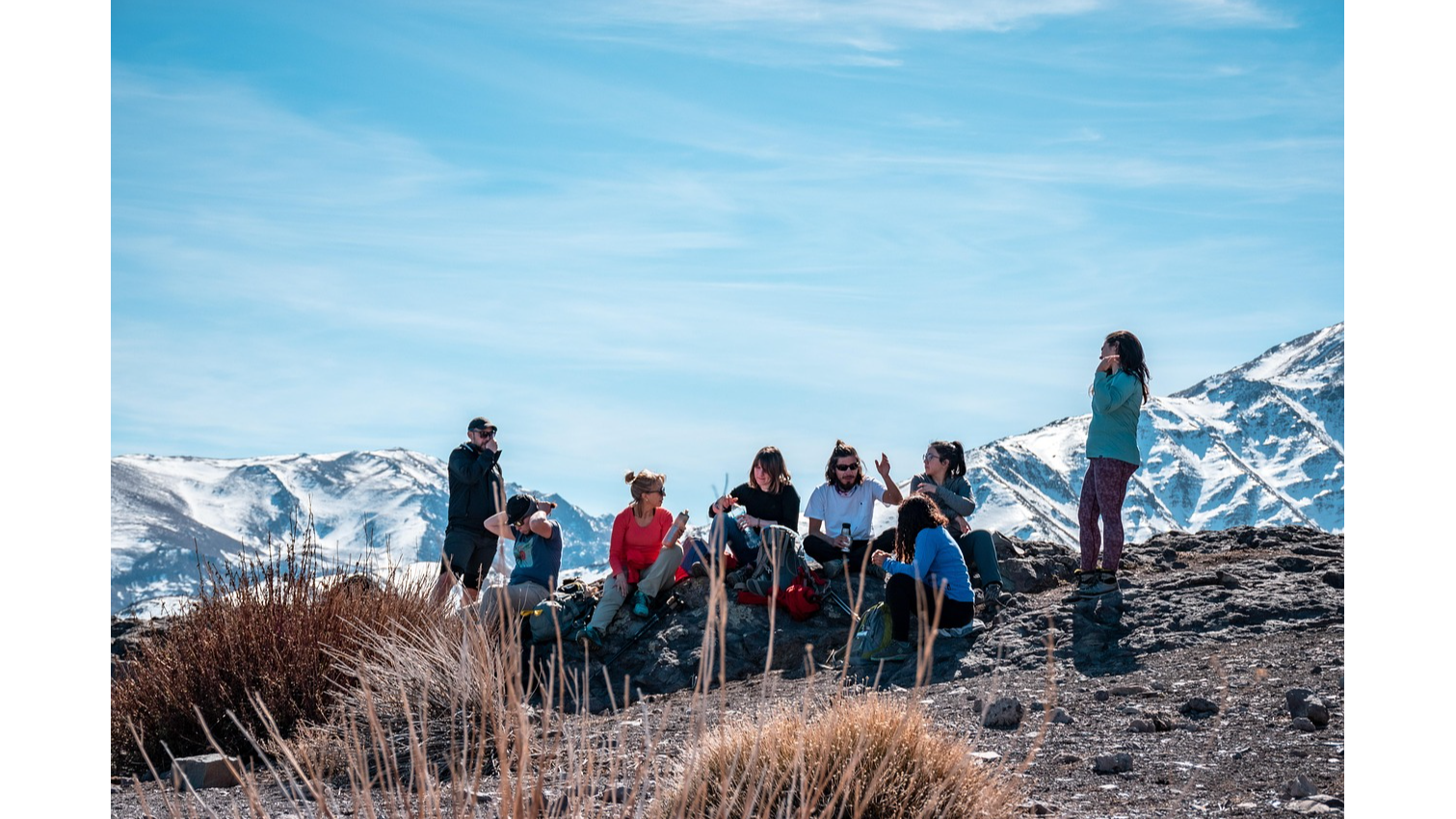
Every successful hiking adventure starts long before the first step on the trail. The difference between a memorable outdoor experience and a miserable struggle often comes down to what's packed in that daypack. Whether tackling a gentle nature walk or an ambitious mountain ascent, smart packing ensures safety, comfort, and enjoyment throughout the journey.
The Ten Essentials represent decades of collective outdoor wisdom, distilled into a practical framework that has saved countless hikers from dangerous situations. These items form the backbone of every hiking pack, regardless of trail difficulty or duration.
Navigation tools top the list for good reason. A map and compass provide reliable orientation even when technology fails. GPS devices and smartphone apps offer convenience but require backup power and clear satellite signals.
Sun protection goes beyond simple comfort. Sunscreen with SPF 30 or higher, sunglasses with UV protection, and a wide-brimmed hat create a protective barrier against harmful radiation. At higher elevations, UV exposure intensifies significantly, making protection even more critical.
Insulation, illumination, first-aid supplies, fire-starting materials, repair kit basics, nutrition, hydration, and emergency shelter round out the essential categories. Each serves a specific purpose in maintaining safety and comfort when conditions deteriorate unexpectedly.
Short hikes offer flexibility in gear selection without compromising safety. A lightweight approach works well for these outings, but preparation still matters. A small daypack or even a waist pack can carry essentials without feeling burdensome.
Water requirements follow the 0.5-1 liter per hour guideline, meaning 1-2 liters for most 2-hour hikes, though hot weather or strenuous terrain may demand more. Simple trail snacks like energy bars or mixed nuts provide quick fuel without weighing down the pack. Basic first-aid supplies - bandages, antiseptic wipes, and pain medication - handle common trail mishaps.
Weather protection becomes optional for short, familiar trails with good weather forecasts. However, a lightweight rain jacket weighs little and prevents a pleasant walk from becoming a soggy ordeal if conditions change unexpectedly.
Extended day hikes spanning 4-8 hours or more require thorough preparation. The margin for error shrinks as the distance from the trailhead and civilization increases. Pack capacity jumps to 20-30 liters to accommodate additional layers, food, and safety equipment.
Extra clothing becomes mandatory rather than optional. Temperature variations between early morning starts and midday sun can be significant. An insulating layer, rain gear, and spare socks prevent hypothermia and provide comfort during rest breaks.
Food planning shifts from simple snacks to substantial nutrition. Lunch, additional trail food, and even an emergency day's supply ensure adequate fuel for sustained effort. Electrolyte replacement becomes important on longer, more strenuous routes where sweating depletes essential minerals.
For very short hikes under 2 hours, waist packs or small 10-15 liter packs provide adequate space for essentials without excess bulk. These compact designs work well for trail running or fast-paced hiking where minimal gear suffices.
Half-day to full-day adventures require a 20-30 liter capacity to accommodate layers, extra food, and safety equipment. This size range offers the best balance between carrying capacity and weight management for most day hikers.
Very extended day hikes approaching 10-12 hours in challenging terrain may justify 30-35 liter packs, especially in unpredictable weather conditions. The additional space allows for emergency bivouac gear and extra supplies that could prove critical in emergencies.
Pack features significantly impact usability and comfort during long trail days. External water bottle pockets provide quick hydration access without removing the pack. Side compression straps stabilize loads and reduce bouncing on uneven terrain.
Padded shoulder straps and hip belts distribute weight effectively, reducing fatigue and pressure points. Ventilated back panels minimize sweating and improve comfort in warm conditions. Multiple compartments organize gear logically and prevent small items from disappearing into pack bottoms.
Hydration system compatibility accommodates reservoir-style water systems that many hikers prefer over traditional bottles. Rain covers protect gear during sudden downpours, while attachment points secure trekking poles and other external equipment.
Base layers provide the foundation for effective temperature regulation. Moisture-wicking synthetic materials or merino wool pull sweat away from skin, preventing the clammy feeling that leads to chills during rest breaks.
Quick-drying hiking pants and shorts offer durability and comfort across varied terrain. These specialized fabrics resist tears from thorny vegetation while drying rapidly after stream crossings or unexpected rain showers. Avoid cotton materials that retain moisture and lose insulating properties when wet.
Synthetic or wool socks prevent blisters and maintain warmth even when damp. Quality hiking socks feature cushioning in high-wear areas and seamless construction that reduces friction points. Carrying spare socks weighs little but provides huge comfort benefits on longer hikes.
Weather protection separates prepared hikers from those caught off-guard by changing conditions. Waterproof-breathable rain jackets shed precipitation while allowing moisture vapor to escape, preventing internal condensation that soaks clothing from the inside.
Rain pants provide complete storm protection for lower extremities, particularly important when hiking through wet vegetation or during extended downpours. Lightweight options pack small and add minimal weight for the protection they provide.
Insulating layers trap warm air next to the body without restricting movement. Synthetic fill or down jackets provide excellent warmth-to-weight ratios, while insulated vests offer core warmth with unrestricted arm movement for active hiking.
Trail running shoes offer lightweight performance and quick-drying properties that many day hikers prefer. The flexible design promotes natural foot movement and requires minimal break-in time. Modern trail runners provide adequate traction and protection for most day hiking applications.
Traditional hiking boots excel in challenging terrain requiring ankle support and maximum protection. The higher cut provides stability on loose rock and uneven surfaces while offering superior protection from thorns and debris. Waterproof options keep feet dry during stream crossings and wet conditions.
Rocky terrain demands footwear with aggressive tread patterns and protective toe caps. Firm midsoles prevent stone bruising while maintaining sufficient flexibility for comfortable walking. Consider shoes with rock plates for maximum protection on particularly jagged surfaces.
Wet conditions require careful consideration of drainage versus waterproofing. Waterproof boots keep feet dry initially, but trap moisture once water enters through the top. Quick-draining shoes may get wet but dry rapidly and prevent the prolonged dampness that leads to blisters and foot problems.
Traction becomes critical on wet rocks, muddy slopes, and loose surfaces. Experts from Fresh Adventures note that Vibram or similar high-performance rubber compounds provide superior grip, while deep lug patterns channel water and debris away from contact surfaces.
Navigation skills and emergency preparation separate confident hikers from those hoping nothing goes wrong. Redundant systems and practical knowledge prevent minor problems from becoming major crises.
Map and compass navigation remains the most reliable method for wilderness orientation. These tools require no batteries, work in all weather conditions, and provide detailed topographic information for route planning and position confirmation.
GPS devices offer precise positioning and route recording capabilities that complement traditional navigation methods. However, satellite reception can prove unreliable in deep canyons or heavy forest cover. Battery life limitations require careful power management on extended trips.
Smartphone apps like AllTrails, Gaia GPS, and others provide convenient access to detailed maps and trail information. Download offline maps before heading into areas with poor cellular coverage. Consider carrying a backup battery or solar charger for extended use.
Route descriptions from guidebooks or online sources provide valuable context about trail conditions, water sources, and potential hazards. Share planned routes with trusted contacts and establish check-in protocols for longer or more remote hikes.
First aid preparation addresses common trail injuries and medical emergencies that occur far from professional help. Basic supplies handle most hiking-related problems effectively when applied with proper knowledge.
Wound care supplies include adhesive bandages in various sizes, gauze pads, medical tape, and antiseptic wipes. Blister treatment materials like moleskin or specialized blister patches prevent minor hot spots from becoming debilitating injuries.
Medications should include pain relievers like ibuprofen or acetaminophen, antihistamines for allergic reactions, and any personal prescription medications. Anti-diarrheal medication and electrolyte packets address common digestive issues that can derail hiking plans.
Emergency supplies like emergency blankets, a whistle, and a signaling mirror provide means for attracting rescue attention and maintaining body temperature in emergencies.
Communication planning ensures someone knows your location and expected return time. Leave detailed itineraries with trusted contacts, including trailhead locations, planned routes, and emergency contact information.
Personal locator beacons or satellite communicators provide emergency communication capabilities in areas without cellular coverage. These devices can summon rescue services and allow communication with family members during extended trips.
The difference between a frustrating outing and a genuinely enjoyable one usually comes down to preparation made before arriving at the trailhead. Understanding how duration, terrain, and weather shape gear decisions allows for smarter, lighter packing — without cutting corners on safety.
Emergency readiness and solid navigation skills make it possible to handle the unexpected without panic. With the right gear in place, the trail itself becomes the focus.


